Waste Disposal Regulations for Safer Long Island Projects
Why Compliance With New York Waste Disposal Regulations Matters for Long Island Businesses and Homeowners
Complying with waste disposal regulations is not just a legal obligation but a critical pillar for sustainable living and responsible business operation on Long Island, NY. These laws protect public health, preserve the environment, and promote economic efficiency by ensuring waste is managed legally, safely, and with an eye toward sustainability. This comprehensive guide delves into why adherence to these regulations is vital, details the primary New York waste laws applicable to Long Island, and clarifies the specific obligations for both businesses and homeowners. As waste volumes increase due to population growth and commercial activity, understanding the evolving legal requirements is essential for avoiding costly penalties and fostering community well-being.
Key New York Waste Management Laws Affecting Long Island
New York State enforces stringent waste management laws that set clear standards for the disposal, recycling, and treatment of waste. These regulations are designed to minimize environmental impact, prevent pollution, and promote resource recovery through effective recycling and waste reduction initiatives. Compliance is critical to maintaining the quality of Long Island’s ecosystems, water supplies, and public spaces.
Regulatory Agencies Governing Waste Disposal in Long Island
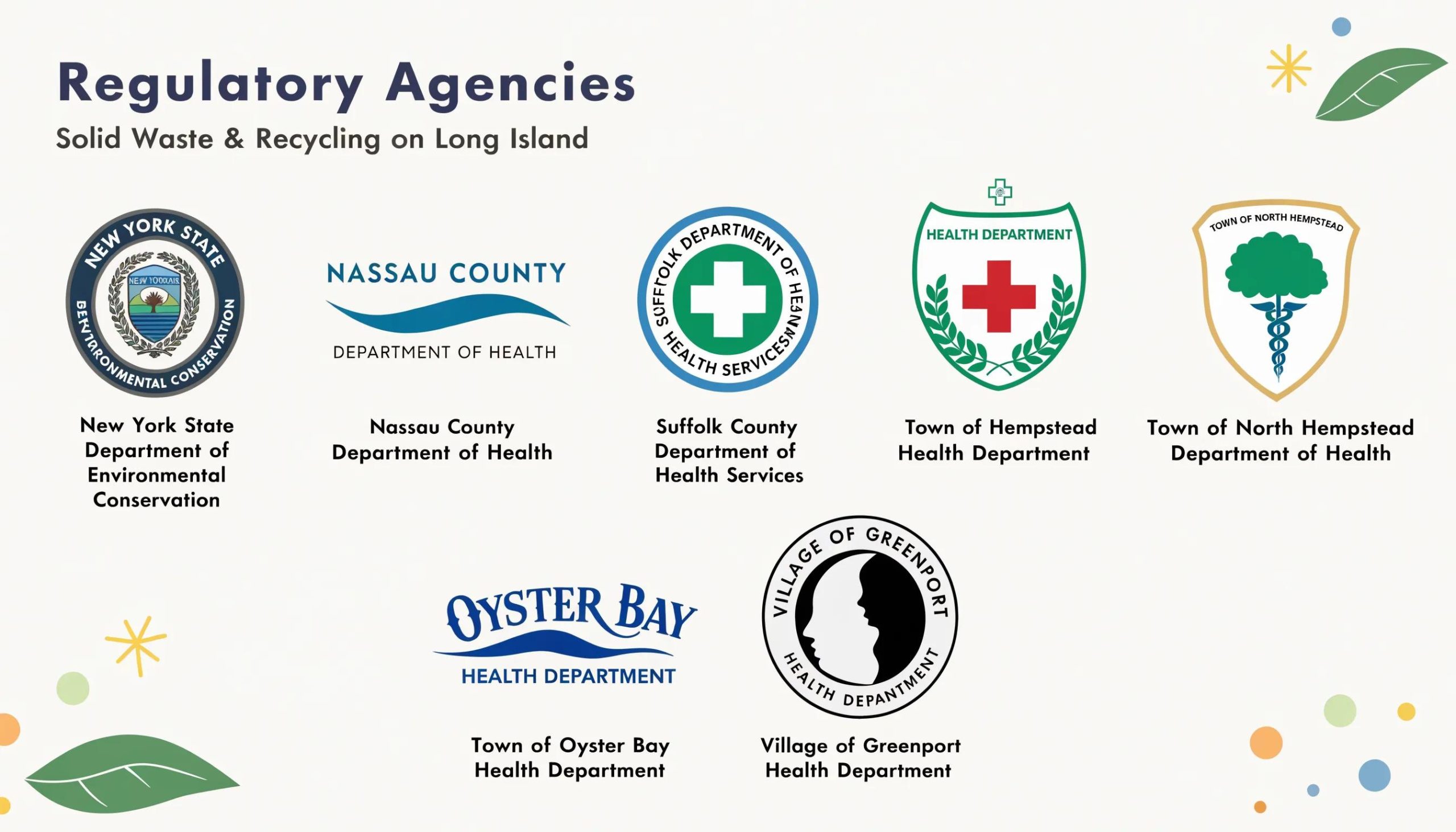
Waste disposal and management on Long Island fall under the jurisdiction of multiple agencies. The New York State Department of Environmental Conservation (DEC) is the primary regulatory body setting statewide policies and enforcement standards. At the county level, the Nassau County Department of Health and the Suffolk County Department of Health oversee compliance with public health directives and conduct routine inspections to ensure safe waste disposal practices. Additionally, local municipalities may have supplemental ordinances that further regulate waste practices, zoning, and dumpster placement. Understanding and coordinating with these agencies is essential for lawful waste management.
Compliance Requirements for Businesses and Homeowners
Compliance involves a multi-step process, including obtaining necessary permits for waste disposal activities, securing dumpster rental permits where required, and strictly following waste segregation and documentation protocols. Businesses and homeowners must maintain accurate records documenting waste types and quantities, implement approved segregation methods for recyclables and hazardous materials, and ensure timely disposal per regulatory guidelines.
Leading providers, such as the Dumpster Rental Long Island Company, specialize in offering dumpster rental services that comply fully with New York laws. They also assist clients in navigating complex permitting procedures, helping to streamline compliance and avoid violations.
The Importance and Benefits of Compliance
Adhering to waste disposal regulations yields multiple environmental, operational, and economic benefits. Environmentally, compliance reduces pollution, prevents hazardous material contamination, and promotes recycling and resource conservation. From a business perspective, compliance helps avoid costly fines, legal actions, and interruptions to operations caused by enforcement. Moreover, companies demonstrating strong environmental stewardship often enhance their reputation and brand value, leading to increased customer trust and competitive advantages in the marketplace.
How State and Local Laws Define Compliant Waste Disposal Practices
New York’s legal framework clearly defines compliant waste disposal through detailed requirements tailored to different waste categories. Staying current on these regulations helps reduce common infractions that can lead to enforcement penalties and environmental harm.
Key Compliance Criteria
Effective compliance hinges on several crucial factors:
- Waste Classification: Differentiating between residential, commercial, industrial, and hazardous waste streams, each subject to specific handling standards.
- Proper Segregation: Separating recyclables from landfill waste and ensuring hazardous materials are isolated for special treatment.
- Documentation: Maintaining accurate waste tracking records, manifests, and disposal permits to demonstrate accountability and regulatory adherence.
Implications for Businesses and Homeowners
Failure to comply can result in legal enforcement actions ranging from warnings to substantial fines, possible injunctions, and civil suits. For businesses, these consequences can disrupt operations and damage customer relationships, while homeowners risk penalties and community disapproval. Thus, proactive compliance and education are paramount.
How Long Island Dumpster Rental Rules Ensure Waste Compliance
Dumpster rental regulations on Long Island are structured to support legal waste management by establishing clear guidelines for dumpster use, placement, and material restrictions.
Permit Requirements
Securing a permit prior to placing a dumpster is mandatory, whether on private property or public rights-of-way. Permit processes vary by municipality but typically require application submission detailing dumpster size, placement plans, and duration. Understanding and following these procedures helps avoid enforcement actions and service delays.
Zoning Regulations
Local zoning ordinances regulate acceptable dumpster locations to preserve neighborhood aesthetics, traffic flow, and safety. These rules may limit duration of use, specify required setbacks, and restrict dumpster sizes in certain zones. Compliance ensures community harmony and avoids fines.
Prohibited Items
To protect public health and environmental quality, dumpsters generally exclude hazardous wastes such as asbestos, electronic waste, chemicals, paints, and medical waste. Familiarity with prohibited items prevents inadvertent violations and facilitates proper hazardous waste management through specialized channels.
Legal Dumpster Sizes and Types Meeting New York Requirements
Choosing the appropriate dumpster size and type is instrumental in compliance. Rental providers offer a range from small 10-yard containers suitable for residential cleanouts to large 40-yard roll-offs used in commercial construction. Selecting a size aligned with actual waste volume avoids overflow, improper disposal, and potential violations.
Permits and Documentation Required for Legal Dumpster Rental
Legal dumpster rental on Long Island requires comprehensive documentation to demonstrate regulatory compliance. Typical required documents include:
- Waste Disposal Permits: Certify authorization to handle specific waste types, especially for commercial or hazardous wastes.
- Proof of Local Zoning Compliance: Confirms dumpster placement complies with local ordinances.
- Rental Agreements: Contracts detailing service terms, responsibilities, and payment conditions between the renter and rental company.
Legal Responsibilities of Businesses and Homeowners Under Waste Compliance Laws
Both commercial and residential sectors have clear legal mandates:
Legal Responsibilities
Businesses and homeowners must stay informed about applicable waste disposal laws, including proper waste segregation, timely reporting, and maintaining disposal records. Compliance requires instituting waste management plans aligned with state and local guidelines to minimize environmental risks.
Penalties for Non-Compliance
Non-compliance exposes parties to significant penalties such as hefty fines, litigation, suspension of business permits, and enforced remediation. For homeowners, consequences may include fines and legal actions affecting property use.
Differences in Handling Commercial and Residential Waste
Commercial waste often involves higher volumes, varied waste types including potential hazardous materials, and more complex disposal protocols compared to residential waste, which is typically household-generated and limited in hazardous content. Regulatory requirements reflect these differences to ensure safe handling respective to the waste source.
Consequences and Penalties for Non-Compliance on Long Island
Violations can result in:
- Enforcement actions including citations and court proceedings
- Monetary fines ranging from hundreds to thousands of dollars per violation
- Reputational damage leading to loss of customer trust and business opportunities
Operational and Environmental Benefits of Compliant Waste Disposal
Compliance not only safeguards the environment but also enhances operational efficiency through optimized waste collection and disposal processes that reduce costs over time. Recycling initiatives supported by regulations foster conservation of natural resources and community health.
Support for Environmental Protection in Long Island Through Proper Waste Management
Effective waste management leads to significant reductions in landfill use, decreased pollution levels in air and water, and preservation of Long Island’s natural habitats. These practices align with broader sustainability goals and state climate action plans.
Business Benefits from Adhering to New York Waste Regulations
Beyond regulatory compliance, businesses benefit by lowering waste disposal expenses through efficient waste sorting, tapping into recycling revenue streams, and enhancing their corporate social responsibility profile. These advantages contribute to stronger community relations and a competitive edge.
Verifying and Maintaining Compliance With Waste Regulations
Maintaining compliance requires continuous monitoring of waste management operations, regular training for staff, and staying updated with regulatory amendments through official agency communications.
Compliance Checklist for Dumpster Rental and Waste Disposal
To ensure lawful dumpster use and waste disposal, follow this checklist:
- Verify Permit Acquisition: Confirm all necessary permits and approvals are secured before waste collection begins.
- Understand Waste Stream Requirements: Be fully informed about what waste types are acceptable and prohibited in each dumpster.
- Maintain Detailed Records: Organize contracts, permits, and disposal manifests to demonstrate compliance during inspections.
Resources and Updates for Tracking Regulations and Enforcement Trends
Stay informed through reliable sources such as:
- New York State Department of Environmental Conservation (DEC) website for official regulatory updates
- Local county and town government websites and community boards for municipal ordinances and notices
- Industry journals and newsletters focused on waste management, recycling technology, and regulatory trends
By rigorously following New York waste regulations, Long Island businesses and homeowners not only fulfill their legal obligations but also contribute significantly to the region’s environmental sustainability and quality of life.
Frequently Asked Questions
What are the environmental impacts of illegal waste disposal?
Illegal dumping leads to contamination of soil and water bodies, harming local flora and fauna and disrupting ecosystems. Polluted air from burning wastes increases respiratory diseases in communities. Improper disposal of hazardous materials risks toxic leaks into groundwater, threatening human health and biodiversity. Rigorous compliance supports long-term environmental health and community safety.
How can businesses and homeowners keep up with changing waste disposal regulations?
Proactively monitor updates from local and state regulatory agencies via their official websites and email newsletters. Participating in seminars, webinars, and local government meetings provides practical insights on evolving compliance requirements. Membership in environmental and industry associations fosters peer learning and resource sharing.
Are there financial incentives for compliant waste disposal?
Certain counties and municipalities offer tax credits, rebates, or reduced fees for businesses and residents engaging in certified recycling and waste reduction programs. Compliance lowers legal risk and can reduce operational expenses through efficient waste management practices.
What types of training are available for waste management compliance?
Training is available from municipal programs, waste management firms, online platforms, and environmental organizations. Courses cover hazardous waste handling, permit processes, and best practices in recycling and waste reduction, with specialized training for industries managing regulated materials.
How do I report illegal waste dumping in my community?
Contact your local health department or environmental agency through dedicated hotlines or online portals to report illegal dumping. Providing photographs, exact locations, and descriptions strengthens enforcement action. Community environmental groups can advise on reporting protocols.
What is the impact of waste management compliance on community health?
Effective compliance reduces exposure to pollutants and disease vectors, lowering incidences of respiratory conditions, infections, and chronic illnesses. Cleaner environments foster overall wellness and improve quality of life for Long Island residents.
What are the 5 rules of waste management?
The 5 fundamental rules of waste management focus on effective handling and reduction of waste and include: 1) Reduce waste generation by minimizing material use and avoiding unnecessary packaging. 2) Reuse items when possible to extend the life of products. 3) Recycle materials to recover resources and reduce landfill use. 4) Properly segregate hazardous and non-hazardous waste to ensure safe disposal. 5) Dispose of waste responsibly through authorized and compliant methods to prevent environmental harm.
What regulations are referenced for waste disposal?
Waste disposal regulations primarily reference state and federal laws including the New York State Environmental Conservation Law, the Resource Conservation and Recovery Act (RCRA) at the federal level, and local county and municipal ordinances. These laws set standards for collection, transportation, treatment, recycling, and disposal of various waste types, including hazardous and non-hazardous materials.
What is the legislation for waste disposal?
The primary legislation governing waste disposal in New York includes the Environmental Conservation Law, specifically Title 27 which addresses solid waste management, along with associated regulations established by the New York State Department of Environmental Conservation. Additionally, the federal Resource Conservation and Recovery Act (RCRA) provides a framework for hazardous waste management. Local governments may enact ordinances to supplement these laws.
What is the waste disposal ordinance?
A waste disposal ordinance is a local legal statute enacted by municipalities or counties that establishes specific rules and guidelines for the collection, handling, and disposal of waste within their jurisdiction. These ordinances regulate issues such as dumpster placement, allowable waste types, collection schedules, and penalties for violations, ensuring compliance with broader state and federal regulations while addressing local community needs.
Conclusion
Comprehensive understanding and diligent adherence to New York’s waste disposal regulations are indispensable for protecting public health, preserving the environment, and avoiding costly legal repercussions. By embracing compliance, Long Island’s businesses and homeowners not only fulfill their legal responsibilities but also contribute to building a resilient and sustainable community. Assess your waste management practices today, consider partnering with reputable and compliant dumpster rental providers, and apply current regulatory knowledge to support a cleaner, healthier Long Island now and for future generations.