Commercial Dumpster Rental Fees Explained for Long Island: Complete Cost Guide for Businesses
Commercial Dumpster Rental Fees Explained for Long Island: Complete Cost Guide for Businesses
Commercial dumpster rental fees in Long Island are the total cost businesses pay to rent roll-off containers and dispose of commercial waste, combining base rental rates, disposal (tipping) fees, weight overages, delivery/pickup, permits, and surcharges. We’ll explain what drives those fees, how to estimate costs for common dumpster sizes used by businesses, and practical steps Long Island companies can take to get accurate quotes and avoid surprises. Many commercial operators—contractors, restaurants, retail stores, property managers, and light industrial sites—face unpredictable disposal bills when weight and debris type are not accounted for, so understanding pricing components upfront reduces risk. We’ll map the core cost drivers, provide localized permit and disposal guidance for Nassau and Suffolk counties, and show per-size cost guidance for 10-, 20-, 30-, and 40-yard units. Keep reading to learn the factors that affect Long Island commercial dumpster rental costs, how to choose the right size, recycling and sustainable disposal tactics that lower fees, and how to obtain a transparent, line-item quote that protects your budget and operations.
What Are Commercial Dumpster Rental Fees in Long Island?
Commercial dumpster rental fees in Long Island are the combined charges a business pays to rent a roll-off dumpster and legally dispose of collected waste, typically including a base rental rate plus disposal and ancillary fees. The base rate covers delivery, placement, and a standard rental window; disposal or tipping fees are charged based on weight and waste type at the receiving facility. Understanding this structure helps you predict expenses and compare providers based on transparency rather than headline price alone. Clear pricing prevents surprises from overage, permit, and fuel surcharges that commonly appear on commercial invoices.
How Is Commercial Dumpster Rental Defined for Long Island Businesses?
A commercial dumpster rental for Long Island businesses is a waste-management arrangement where a roll-off container is placed on-site to capture business-generated debris for a defined rental period, with the rental company responsible for transport and disposal. Typical commercial use-cases include construction and renovation projects, retail or restaurant cleanouts, property management debris removal, and light industrial waste collection. Rental terms usually specify included tonnage, permitted materials, pickup windows, and responsibilities for permits when placement is on public property. Knowing the typical terms for these scenarios helps clarify why different business types see different cost profiles, which leads into how price ranges are estimated.
What Are Typical Price Ranges for Commercial Dumpster Rentals in Long Island?
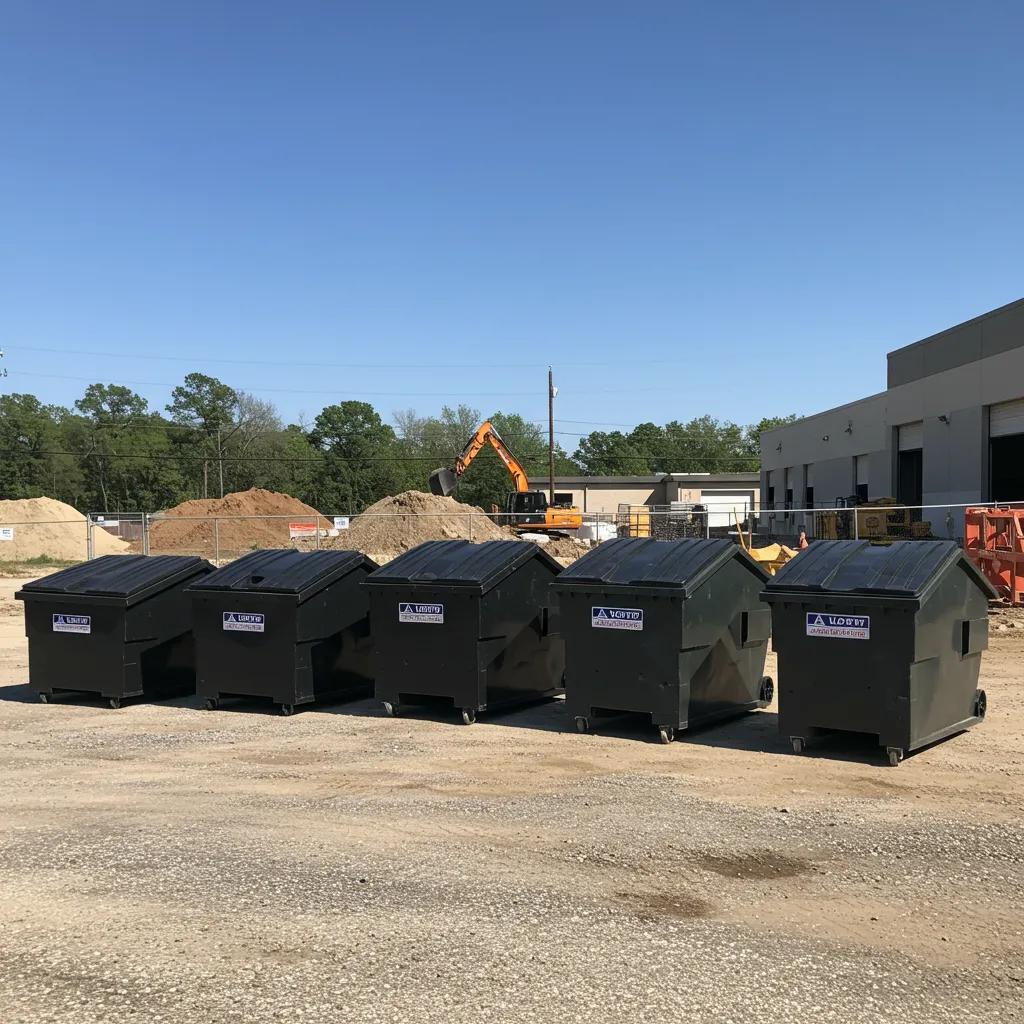
Typical price ranges for commercial dumpster rentals on Long Island vary by size, included tonnage, debris type, and location; you can expect a low-to-high spectrum rather than a single fixed rate. Small commercial jobs using 10-yard units sit at the lower end of the range, while heavy demolition using 40-yard units with dense materials falls at the high end due to tipping fees and potential permits. Always treat estimates as ranges and request a custom quote that lists base rate, included tonnage, overage per ton, and any municipal permit or fuel surcharges. Request a detailed quote to see line-item breakdowns and avoid surprises when heavy or restricted materials are present.
Why Is Pricing Transparency Important for Long Island Commercial Rentals?
Pricing transparency is crucial because a clear, line-item quote shows base rate, included tonnage, overage fees, disposal/tipping charges, delivery/pickup fees, permit costs, and any fuel or environmental surcharges, enabling you to budget accurately. Hidden fees commonly include extra weight overages, charges for prohibited materials, weekend or emergency pickups, and permit processing costs when dumpsters occupy public streets. You should ask potential providers for a written quote that defines included tonnage and lists per-ton overage rates, as well as a clause describing prohibited materials and associated handling fees. Verifying these items upfront minimizes invoice disputes, protects project margins, and prepares you for the next key topic: the specific factors that influence every line on a quote.
Which Factors Influence Commercial Dumpster Rental Costs in Long Island?
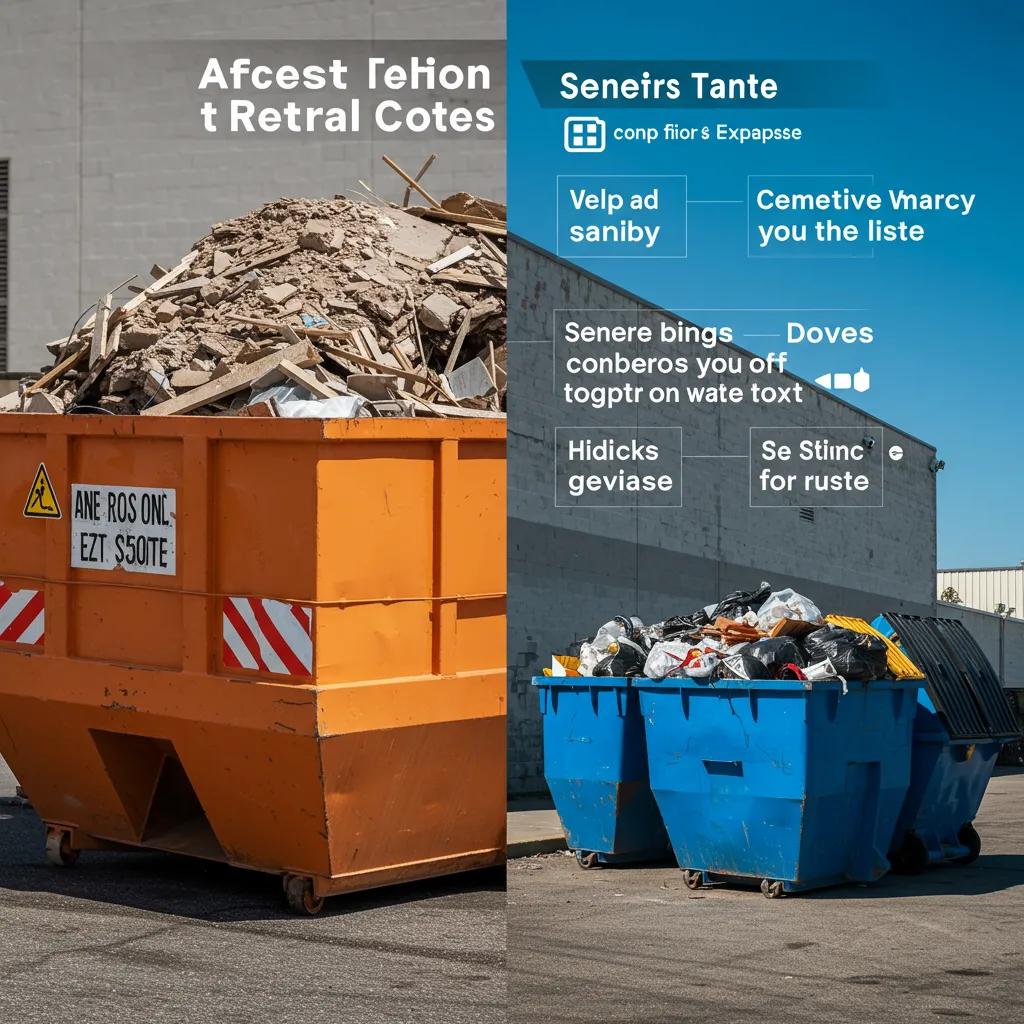
Several interlocking factors determine final commercial dumpster rental fees in Long Island, including dumpster size, included tonnage and overages, debris type, rental duration, delivery logistics, and permit requirements for public placement. Each factor adjusts either the base rental rate or variable disposal charges; together they create the total cost on a quote. Being able to map each factor to dollar impacts helps you compare offers and choose solutions that align with operational needs and budgets. Understanding these drivers also highlights how local rules in Nassau and Suffolk counties can influence permit and disposal fees, which we cover next.
Before the detailed table, here is a concise list of the main cost factors and what they affect to help you prioritize cost-control steps:
- Dumpster size: Affects base rate and included capacity.
- Weight/included tonnage: Determines tipping fees and overage exposure.
- Debris type: Changes disposal classification and per-ton tipping fees.
- Rental period: Influences whether you pay per-trip or get a discounted contract.
- Location & delivery: Impacts fuel surcharge, delivery/pickup charges, and access fees.
- Permits: Adds municipal fees and administrative time when placed on public property.
This EAV-style table shows how each cost factor typically maps to a pricing effect and a sample value range for Long Island contexts.
This table clarifies how adjustments in any row will change the final invoice and prepares you to evaluate sample size-based cost guidance next.
How Does Dumpster Size Affect Commercial Rental Fees?
Dumpster size directly affects the base rental rate because larger roll-off units occupy more transport capacity and often require more complex placement logistics, and they also typically include higher included tonnage limits. You’ll match size to project type: 10-yard units for small store cleanouts, 20-yard for mid-size renovations, 30-yard for larger remodels, and 40-yard for demolition or major construction projects. Choosing an oversize dumpster can reduce per-ton tipping costs by avoiding multiple loads, while undersizing risks overage penalties and additional pickups. The interplay between size and debris weight is essential when selecting the most cost-effective option.
What Are Weight Limits and Overage Charges for Commercial Dumpsters?
Weight limits—often called included tonnage—define how much waste the base rental rate covers; overage charges apply to each additional ton at the disposal facility’s per-ton rate. Commonly, a rental quote will include a modest tonnage allowance and specify the per-ton overage charge, which is a critical line item that can double or triple the apparent cost if heavy materials are present. For example, dense materials such as concrete or soil quickly consume included tonnage and trigger high overage fees, making weight estimation a vital step in your budgeting. To avoid surprises, request the included tonnage and the exact overage rate when obtaining quotes.
How Do Different Debris Types Affect Disposal Costs?
Debris types are classified for disposal—general commercial waste, construction debris, heavy materials (concrete, soil), recyclable materials, and hazardous waste—and each classification carries a different tipping fee or handling requirement. Heavy, inert materials like concrete and soil typically attract the highest per-ton charges, while recyclable streams such as metal or cardboard may reduce costs if processed separately. Hazardous or regulated wastes are excluded from standard roll-off services and require special handling, leading to significantly higher fees or separate contractor arrangements. Accurately identifying materials before ordering a dumpster helps you avoid costly reclassification and handling charges.
How Does Rental Period Influence Dumpster Pricing?
Rental period choices—short-term per-trip rentals vs longer-term or permanent contracts—affect the fee structure: short-term rentals typically charge a flat base rate plus per-ton fees, while long-term contracts can trade predictability for lower per-pickup rates and streamlined billing. If your business has steady waste streams, you’ll often benefit from scheduled pickup agreements or permanent dumpster contracts that provide predictable monthly charges and priority service. Conversely, one-off projects generally prefer flexible short-term rentals despite potentially higher per-event costs. Deciding between these models depends on volume consistency and the value placed on predictable budgeting.
What Role Do Location and Delivery Fees Play in Long Island Pricing?
Location affects costs because delivery distance, local traffic patterns, site access, and the need for specialized placement equipment change operational time and fuel usage for haulers, which providers pass through as delivery/pickup fees or fuel surcharges. Long Island’s varied towns across Nassau and Suffolk can have different zone surcharges, municipal access restrictions, or off-route penalties that increase the base cost. Tight urban sites may require additional labor for placement, while rural properties can require longer trips or special permits. Anticipating these logistics when requesting a quote keeps your budget realistic.
When Are Permits Required and What Are Their Fees?
Permits are required when a dumpster is placed on public property—streets, sidewalks, or town right-of-way—and fees vary by municipality across Nassau and Suffolk counties; private-property placement typically avoids permit fees but still requires site-appropriate placement. Permit costs and processing times differ between towns, and some municipalities impose additional insurance or traffic-control requirements that affect total project cost. Always check local municipal rules or ask your provider to confirm permit obligations in advance to avoid fines or removal orders. Knowing permit requirements ties directly into how your quote should allocate permit fees and administration charges.
What Are the Average Costs for Different Commercial Dumpster Sizes in Long Island?
Estimating average costs by dumpster size helps you match project needs to likely expense bands, but these are estimates and require custom quotes that list included tonnage, overage fees, and any municipal surcharges. The following EAV-style table presents common dumpster sizes as entities, key included features, and estimated price ranges you can expect for commercial jobs on Long Island. Use these ranges only as planning guides and request a detailed quote for accurate budgeting.
These size-based estimates clarify that increasing capacity usually raises the base rate while included tonnage may not scale linearly, so weight-sensitive projects require careful comparison. Dumpster Rental Long Island Bros offers 10-, 20-, 30-, and 40-yard units as common options for commercial customers; you should request a custom quote that spells out included tonnage and overage pricing before committing.
How Much Does a 10-Yard Commercial Dumpster Cost?
A 10-yard commercial dumpster is typically used by small retail or office cleanouts and provides compact capacity with easier placement logistics, which generally results in lower base rates and modest included tonnage. This size suits businesses like yours with light debris streams primarily composed of mixed general waste, cardboard, and light construction debris. Because included tonnage is limited, weight-sensitive materials can quickly trigger overage fees, so accurate load estimation is essential. Request a quote that lists included tonnage and per-ton overage so you can compare true costs across providers.
What Are the Rates for a 20-Yard Commercial Dumpster?
The 20-yard dumpster serves mid-size projects such as restaurant renovations or moderate construction and balances capacity with maneuverability; its base rate and included tonnage are mid-range and suitable for typical commercial waste mixes. Selecting a 20-yard unit often lowers the risk of extra trips compared to a 10-yard, but heavy materials will still impact final cost due to tipping fees. Comparing quotes should focus on included tonnage and per-ton overage rates rather than headline price alone, because two providers with similar base rates may differ significantly on what is included. Choosing the right size avoids both unnecessary expense and operational downtime.
How Are 30-Yard Commercial Dumpsters Priced for Large Projects?
30-yard dumpsters are commonly used for larger renovations and medium demolition projects; pricing reflects higher base rates, more complex placement, and often higher included tonnage—yet weight and debris type remain the dominant cost drivers. These units are efficient for projects generating large volumes of mixed construction debris but can become expensive if filled with very dense materials like concrete or soil. You’ll want to estimate volumes and densities ahead of time and consider separating heavy materials into dedicated containers when feasible to control tipping charges. Proper staging and scheduling of pickups can also reduce overall hauling costs.
What Is the Pricing for 40-Yard Commercial Dumpsters?
40-yard dumpsters are designed for major commercial projects and demolition work; they carry the highest base rental fees and frequently require additional logistics such as street permits or specialized trucks, which influence final pricing. Because these containers accept large volumes, per-ton tipping fees for dense materials can become the most significant portion of the invoice, and transport restrictions or permit obligations may apply more often. For large-scale jobs, discuss permanent or scheduled pickup options to gain predictable costs and avoid repeated mobilization charges. Accurate planning of material types and separation strategies reduces exposure to high disposal fees.
How Can Businesses Manage Commercial Waste Efficiently in Long Island?
Efficient commercial waste management lowers disposal fees and regulatory risk by optimizing what goes into dumpsters, diverting recyclables, and scheduling pickups to match waste generation patterns. Businesses like yours that sort recyclables, separate heavy inert materials, and plan container sizes to minimize extra trips typically see lower total costs. Operational steps include pre-project waste audits, clear onsite labeling for stream separation, and coordination with providers on pickup frequency to avoid overflow or emergency charges. These tactics improve sustainability outcomes while directly impacting the price lines on invoices.
What Items Are Accepted and Prohibited in Commercial Dumpsters?
Accepted items for standard commercial dumpsters usually include general commercial waste, construction debris (wood, drywall), cardboard, and non-hazardous office or retail refuse, whereas prohibited items include hazardous materials, regulated chemicals, asbestos, and certain electronics that require specialized disposal. Properly identifying prohibited items upfront prevents reclassification fees and legal issues; many items have designated disposal streams or recycling facilities on Long Island. Below is a practical list showing accepted and prohibited categories to guide on-site sorting and reduce costly handling exceptions.
Accepted and prohibited items overview:
- Accepted: General commercial waste, cardboard, non-hazardous construction debris such as wood and drywall.
- Accepted with caution: Metal and clean concrete—best when separated for recycling to reduce tipping fees.
- Prohibited: Hazardous chemicals, asbestos, regulated medical waste, and some electronic wastes that require special handling.
Sorting waste before loading and choosing recycling streams where possible reduces tipping fees and helps maintain compliance, leading into how recycling choices affect cost.
How Does Recycling and Sustainable Disposal Affect Costs?
Recycling and sustainable disposal strategies reduce tipping fees by diverting high-value or low-cost streams—such as metals, cardboard, and concrete—into separate processing channels that may generate credit or lower per-ton charges compared with landfill disposal. Implementing on-site separation increases handling but often pays dividends through lower overall disposal costs, especially for material streams that command higher recycling rebates or lower tipping rates. Providers can advise which materials are economical to divert and may offer dedicated containers or scheduled pickups for recyclables. Integrating recycling into waste planning also supports sustainability goals and can reduce municipal disposal burdens, connecting to long-term service models for businesses.
What Are Long-Term Commercial Dumpster Rental Solutions and Their Fees?
Long-term commercial dumpster rental solutions include permanent dumpster contracts and scheduled pickup programs that convert per-project variability into predictable service and billing models, often with volume-based pricing tiers. These arrangements benefit businesses with steady waste streams—such as restaurants, retail centers, and multi-tenant properties—by providing predictable monthly charges, streamlined invoicing, and priority pickup scheduling. Fees under long-term agreements typically bundle regular service, basic maintenance, and agreed pickup frequencies, while overage or weight-based adjustments still apply when volumes exceed contracted tiers. Understanding when a permanent contract yields savings is key to long-term operational planning.
What Are the Benefits of Permanent Dumpster Rental Contracts for Businesses?
Permanent dumpster rental contracts deliver predictable spend by establishing regular pickup intervals and a fixed billing structure that removes per-event variability, simplifying accounting and reducing administrative overhead. These contracts often include priority scheduling and consolidated invoicing, which benefits businesses managing multiple properties or recurring waste volumes. Predictability also allows for better negotiation on per-ton rates and inclusion of recycling streams that lower net disposal costs. For businesses with consistent waste generation, a permanent contract can improve cash flow forecasting and free up staff time spent managing one-off rentals.
How Do Scheduled Commercial Waste Pickups Work and Affect Pricing?
Scheduled pickups define the frequency (daily, weekly, biweekly) and scope of service, and pricing typically reflects the agreed cadence and expected volume: higher frequency with smaller loads may cost more per pickup but reduce overflow risk, while less frequent larger pickups can lower service fees but increase per-pickup handling and potential overage. Billing models vary between per-pickup charges, flat monthly fees, or tiered volume agreements that set thresholds and overage rates. Choosing the right schedule involves balancing operational needs against cost, with the option to adjust frequency if volumes change over time, which transitions naturally to how to secure an accurate quote.
How Do You Get an Accurate Commercial Dumpster Rental Quote in Long Island?
Getting an accurate commercial dumpster rental quote requires providing precise project details—site address, desired dumpster size, estimated materials and weight, required rental duration, access constraints, and whether placement is on public or private property—so providers can price base rates, included tonnage, overage per ton, delivery/pickup fees, and permit costs. Verifying each line item prevents unexpected charges and enables meaningful comparisons between providers beyond headline prices. Below is an EAV-style table that outlines key quote components, why they matter, and example wording you should expect on a comprehensive quote.
A thorough quote lists each component and provides clear per-unit rates so you can model different scenarios; after reviewing these details, you will be prepared to use online tools or contact providers for verification.
What Should a Comprehensive Commercial Dumpster Rental Quote Include?
A comprehensive quote should list the base rental rate, included tonnage, per-ton overage fees, delivery and pickup charges, permit and administrative fees, any fuel or zone surcharges, and clear definitions of prohibited materials and liability terms. Each line should include numerical values or clear conditions—e.g., the exact overage rate per ton and the rental window—so you can compare alternatives and model worst-case costs. Verify whether taxes or environmental fees are added at invoicing, and ask for written confirmation of any verbal assurances to prevent post-service disputes. With these items validated, you can use calculators for rough planning or request a final, human-reviewed quote for contracting.
How Can Businesses Use Online Quote Calculators for Pricing Estimates?
Online quote calculators are useful for rapid cost modeling when you input dumpster size, estimated tonnage, project duration, and location, but they have limitations: they may not account for local permit requirements, exact tipping station rates, access constraints, or special handling fees. Use calculators to narrow options and get ballpark figures, then follow up with a provider for a detailed, line-item quote that accounts for municipal variations in Nassau and Suffolk counties. Best practice is to supply calculator outputs to a provider and request human verification, especially for heavy or mixed-material projects where disposal classification materially changes costs.
What Are Common Questions About Commercial Dumpster Rental Fees?
Below are concise answers to common PAA-style questions businesses ask when seeking quotes and planning projects.
- Do I need a permit for a dumpster?: Yes if placed on public property; private property placements usually do not require permits.
- What is included in a base rate?: Delivery, standard rental window, and sometimes a small amount of included tonnage—confirm specifics.
- How are overages calculated?: Overage is typically charged per ton at the disposal facility’s rate plus any handling markup—ask for the exact $/ton.
- Can recycling reduce costs?: Yes; separating recyclables and certain materials can lower tipping fees and may provide credits.
- How do I avoid hidden fees?: Get a written, line-item quote that lists permit, fuel, and administrative fees explicitly.
These direct answers help you prepare the right questions and documentation when requesting final quotes and move into firm selection considerations.
Why Choose Dumpster Rental Long Island Bros for Commercial Dumpster Services?
Dumpster Rental Long Island Bros provides commercial dumpster rental, residential and construction dumpster rental, permanent dumpster rental contracts, and junk removal, with an emphasis on professional service, familiarity with local laws in Suffolk and Nassau counties, and transparent contracts that avoid hidden clauses. Our local expertise helps you navigate municipal permit requirements and optimize placement to reduce unexpected fees. We offer a range of dumpster sizes—10, 20, 30, and 40 yards—to match common commercial project needs, and we support permanent contracts and scheduled pickups for businesses like yours that require predictable waste handling. To request a custom commercial dumpster quote tailored to your project needs, contact Dumpster Rental Long Island Bros by phone for prompt, transparent pricing and service options.
How Does Local Expertise Benefit Long Island Businesses?
Our local expertise benefits Long Island businesses by reducing permit surprises, recommending disposal facilities with favorable tipping structures for specific debris types, and optimizing routing to minimize delivery and pickup surcharges. Familiarity with Nassau and Suffolk municipal rules ensures faster permit processing when public placement is necessary and lowers the risk of fines or removal orders. Providers with local knowledge can also advise on sustainable diversion options available regionally, helping you lower costs and meet corporate environmental goals. Relying on a locally knowledgeable partner improves operational predictability and cost control for commercial clients.
What Dumpster Sizes and Services Does Dumpster Rental Long Island Bros Offer?
Dumpster Rental Long Island Bros explicitly offers a range of dumpster sizes (10-yard, 20-yard, 30-yard, 40-yard) and service types including commercial dumpster rental, residential dumpster rental, construction dumpster rental, permanent dumpster rental contracts, and junk removal. These options let you choose the right capacity and service model for one-off projects or ongoing waste needs. When requesting a quote, specify size, anticipated materials, rental duration, and placement location so the provider can propose the appropriate unit and any needed permits. Clear specification upfront ensures a quote that reflects true cost drivers.
How Does Transparent Pricing Build Trust with Commercial Clients?
Transparent pricing builds trust by laying out base rates, included tonnage, overage fees, delivery/pickup charges, permit costs, and any surcharges in a single, written quote so you understand exactly what you’re paying for. A transparent provider will also explain prohibited materials, define responsibilities for damages or site access, and offer clear billing terms to avoid disputes. You should verify that contracts include these items and seek providers who commit to line-item clarity—this approach reduces billing surprises and strengthens vendor-client relationships. For a clear, itemized commercial dumpster quote and to discuss permanent service options or scheduled pickups, contact Dumpster Rental Long Island Bros by phone to get started with transparent pricing and local expertise.
About Our Team
Dumpster Rental Long Island Bros is a full-service roll-off dumpster and front-loading dumpster rental company that provides you with a range of four different sized dumpsters for waste removal of commercial, residential, and construction debris here in Long Island. Our premiere dumpster solutions are fit for any type of wallet or schedule whether once-off or for more lengthy projects. We outperform our competitors as our dumpster rental company is driven by reliability, efficiency, and honesty. With us, you never have to worry about renting the wrong sized dumpster as we calculate dimensions according to the type of waste you are removing and we even demonstrate which is the best way to organize your waste material—creating extra space.
Our dedicated team is committed in provide you with hacks for placing debris and waste in ensuring you get the most volume out of your dimensions—a promise we keep every time. Why not choose us as your partner in waste and junk removal? A decision that will bring you excellent results and extra reassurance. Plus, we have expanded our services and can serve clients in both Suffolk and Nassau counties. Whether you need to rent a dumpster monthly or once-off for a small home renovation project—we deliver your dumpster and pick it up as soon as you notify us. And for permanent rentals, we provide you with the details you need to house your dumpster for easy delivery and pickup. Give us a call and let us haul! (longislanddumpsterrental.org)
Frequently Asked Questions
When selecting a dumpster size, you’ll want to consider the volume and type of waste you expect to generate. Smaller projects, like office cleanouts, may only require a 10-yard dumpster, while larger renovations or construction jobs might need a 30 or 40-yard unit. Additionally, think about the weight of the materials; heavier debris can quickly exceed included tonnage, leading to overage fees. It’s also wise to consult with your provider to ensure you choose a size that minimizes costs and effectively meets your project needs.
To comply with local waste disposal regulations, you’ll want to familiarize yourself with the specific rules in Nassau and Suffolk counties regarding permitted materials and placement of dumpsters. Always check if a permit is required for public property placements. Additionally, work with a reputable dumpster rental provider who understands local regulations and can guide you through the necessary steps to avoid fines or legal issues. Keeping abreast of these regulations helps ensure a smooth waste disposal process.
Recycling in commercial waste management offers several key benefits, including reduced disposal costs and environmental impact. By diverting recyclable materials like cardboard, metal, and certain plastics from landfills, you can lower your tipping fees and may even receive credits for materials sent to recycling facilities. Implementing a recycling program not only supports sustainability goals but also enhances your company’s reputation among environmentally conscious consumers. Additionally, it can lead to more efficient waste management practices overall.
To avoid unexpected charges on your dumpster rental invoice, always request a detailed, line-item quote that clearly outlines all fees, including base rates, included tonnage, overage charges, delivery/pickup fees, and any permit costs. Make sure to clarify the definitions of prohibited materials and any potential surcharges. By understanding the terms and conditions upfront, you can better manage your budget and prevent surprises when the final bill arrives.
Commonly prohibited materials in commercial dumpsters include hazardous waste, such as chemicals, asbestos, and certain electronic items that require special handling. Additionally, regulated medical waste and heavy materials like concrete or soil may also be restricted. It’s essential to identify these items before ordering a dumpster to avoid reclassification fees and legal issues. Always consult with your rental provider for a comprehensive list of prohibited materials to ensure compliance and avoid costly mistakes.
The rental duration significantly impacts overall costs. Short-term rentals typically incur a flat base rate plus per-ton fees, while long-term contracts can offer lower per-pickup rates and predictable monthly charges. Businesses with consistent waste generation may benefit from scheduled pickups or permanent contracts, which streamline billing and reduce administrative overhead. Conversely, one-off projects may prefer flexible short-term rentals despite potentially higher costs. Evaluating your waste generation patterns can help you choose the most cost-effective rental duration.
To optimize your waste management process, start by conducting a waste audit to identify the types and volumes of waste you generate. Implement sorting practices to separate recyclables and hazardous materials, and choose the appropriate dumpster size to minimize overflow and extra trips. Schedule pickups based on waste generation patterns to avoid emergency charges. Collaborating with your dumpster rental provider can also help you develop a tailored waste management strategy that aligns with your operational needs and sustainability goals.
Conclusion
Understanding commercial dumpster rental fees in Long Island empowers you to make informed decisions, ensuring you select the right size and service for your waste management needs. By grasping the key cost factors and seeking transparent quotes, you can effectively manage your budget and avoid unexpected charges. Take the next step towards efficient waste disposal by requesting a customized quote tailored to your specific project requirements. Partner with us today for reliable service and expert guidance in navigating your commercial waste solutions.