Roll-Off vs. Front-Load Dumpsters: Your Ultimate Guide to Picking the Perfect Bin in Long Island
The right dumpster choice can make or break your Long Island renovation project or keep your business’s waste schedule running like clockwork. Here at Dumpster Rental Long Island Bros, we’re all about making your projects smoother and your budget happier by helping you snag the ideal container. We’ll break down what roll-off and front-load dumpsters are all about, what makes them tick, and how they get to and from your site. You’ll get a clear look at their sizes, costs, and what kind of junk they’re best for. Plus, we’ll cover how to pick the right one for your home or business, plus any local rules and green disposal tips. By the time you’re done here, you’ll be a pro at booking the perfect Dumpster Rental Long Island for any job, big or small.
Understanding Roll-Off Dumpsters and Their Operation
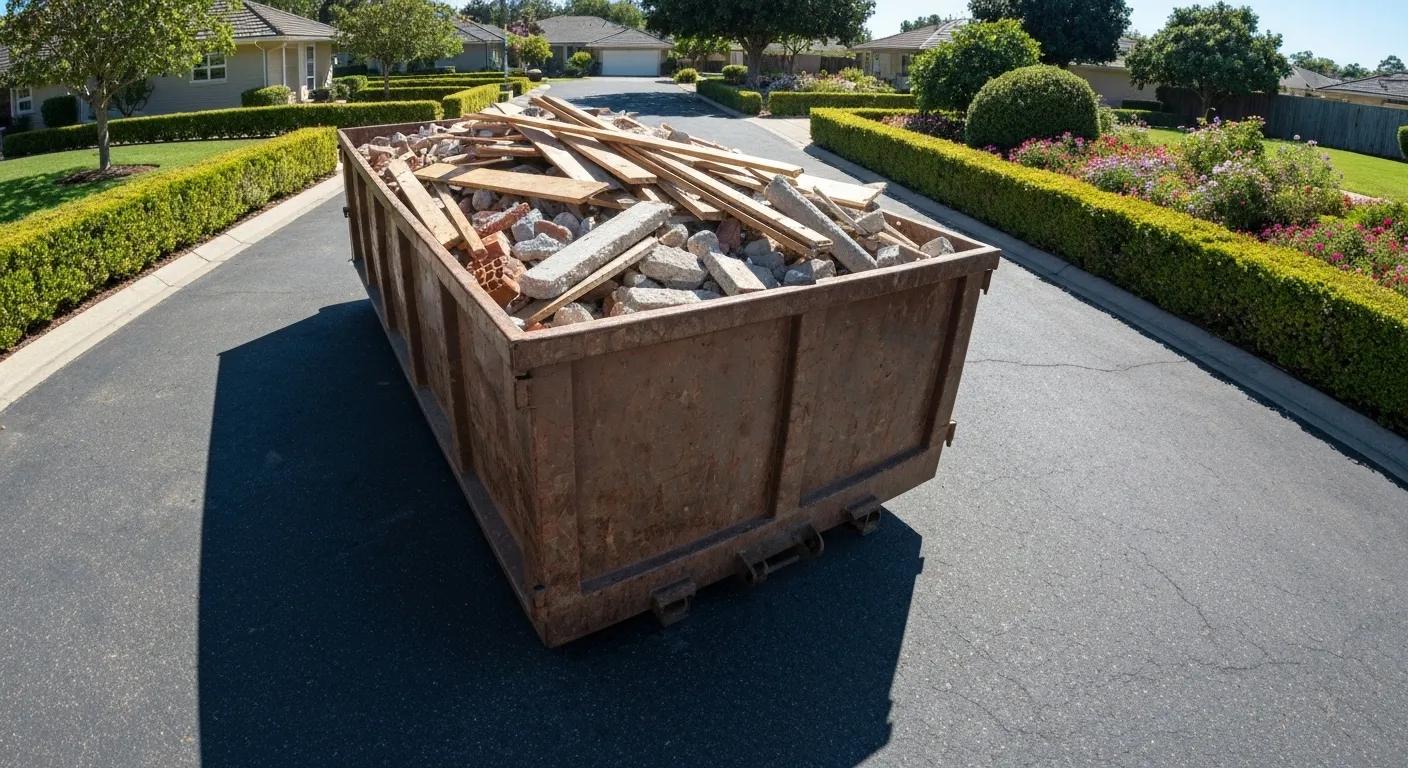
Think of a roll-off dumpster as a giant, open-top bin that rides on rollers, delivered by a special truck. The magic happens when the truck slides it right off onto your driveway or job site and then rolls it back on for pickup. This means super-fast setup and removal, no heavy lifting required on your end. Roll-off dumpsters are perfect for tossing out tons of waste from home makeovers, demolition jobs, or major decluttering sprees. Getting the basics down is key to figuring out which features matter most.
Standout Features of Roll-Off Dumpsters
Before you commit to a roll-off dumpster, get familiar with what makes them special:
- Open-top design: Load up bulky items without a second thought.
- Roller system: Easy to place precisely and whisk away when done.
- Size options: From 10 to 40 cubic yards, we’ve got a size for every project.
- Tough build: Made of heavy-duty steel, ready for construction rubble and demolition waste.
These features mean you get a flexible, heavy-duty solution for your waste. Now, let’s talk about which projects are the perfect fit for these workhorses.
Ideal Projects for Roll-Off Dumpster Rentals
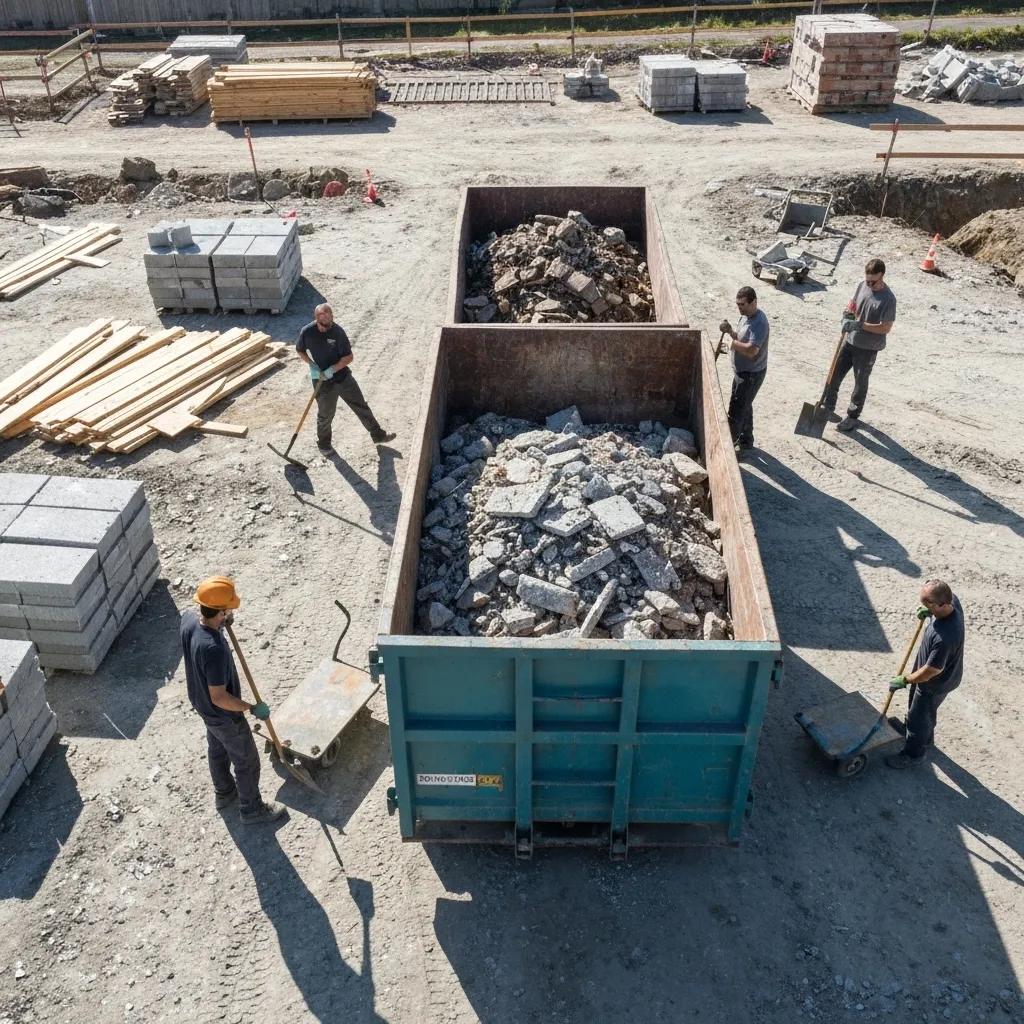
Roll-off dumpsters shine when your project involves a lot of heavy or bulky waste. Think of these common scenarios:
- Home renovation leftovers: Drywall, old flooring, cabinets, you name it.
- Construction site cleanup: Lumber scraps, metal bits, concrete chunks.
- Whole-house clear-outs: Perfect after an estate sale or a massive remodel.
- Big yard cleanups: Branches, soil, uprooted trees – we can handle it.
By matching the size of your mess to the size of the bin, you’ll keep things tidy and avoid costly overages. The next step? Picking the right size.
Available Sizes and Capacities for Roll-Off Dumpsters
We’ve got roll-off dumpster sizes to match just about any project:
Choosing the right volume means you won’t pay for space you don’t need, and your project stays on track. Once you’ve sorted out the size, let’s look at how delivery and pickup work.
Delivery and Pickup Process for Roll-Off Dumpsters
Our roll-off dumpsters arrive on sturdy trucks with special hydraulic arms and rollers. Here’s the simple process:
- We’ll check the spot to make sure it’s clear of any utility lines and won’t damage your property.
- The truck carefully slides the dumpster off onto your chosen surface.
- We’ll position it just right so you can load it up easily without blocking your driveway.
For pickup, the truck does the reverse, rolling the bin back onto its platform for a smooth ride to the disposal site. Just chat with our dispatch team, and we’ll make sure service is prompt and your site stays undisturbed.
Understanding Front-Load Dumpsters and Their Servicing
A front-load dumpster is a more compact, lidded bin designed for regular pickups, typically for businesses. Service trucks use built-in forks at the front to lift the bin, empty it out in a flash, and set it back down. This automated system is perfect for businesses that have a steady stream of trash to manage.
Key Features of Front-Load Dumpsters
Front-load dumpsters have specific features that make commercial waste handling a breeze:
- Hinged lid: Keeps odors in and critters out.
- Fixed placement: Designed to sit in one spot, usually near loading docks or service alleys.
- Compact sizes: Ranging from 2 to 8 cubic yards, ideal for daily or weekly trash.
- Fork pockets: Built to work with front-loader trucks for quick servicing.
These traits make front-load bins a top choice for ongoing trash management. Now, let’s see which businesses benefit most from them.
Commercial Uses Best Suited for Front-Load Dumpsters
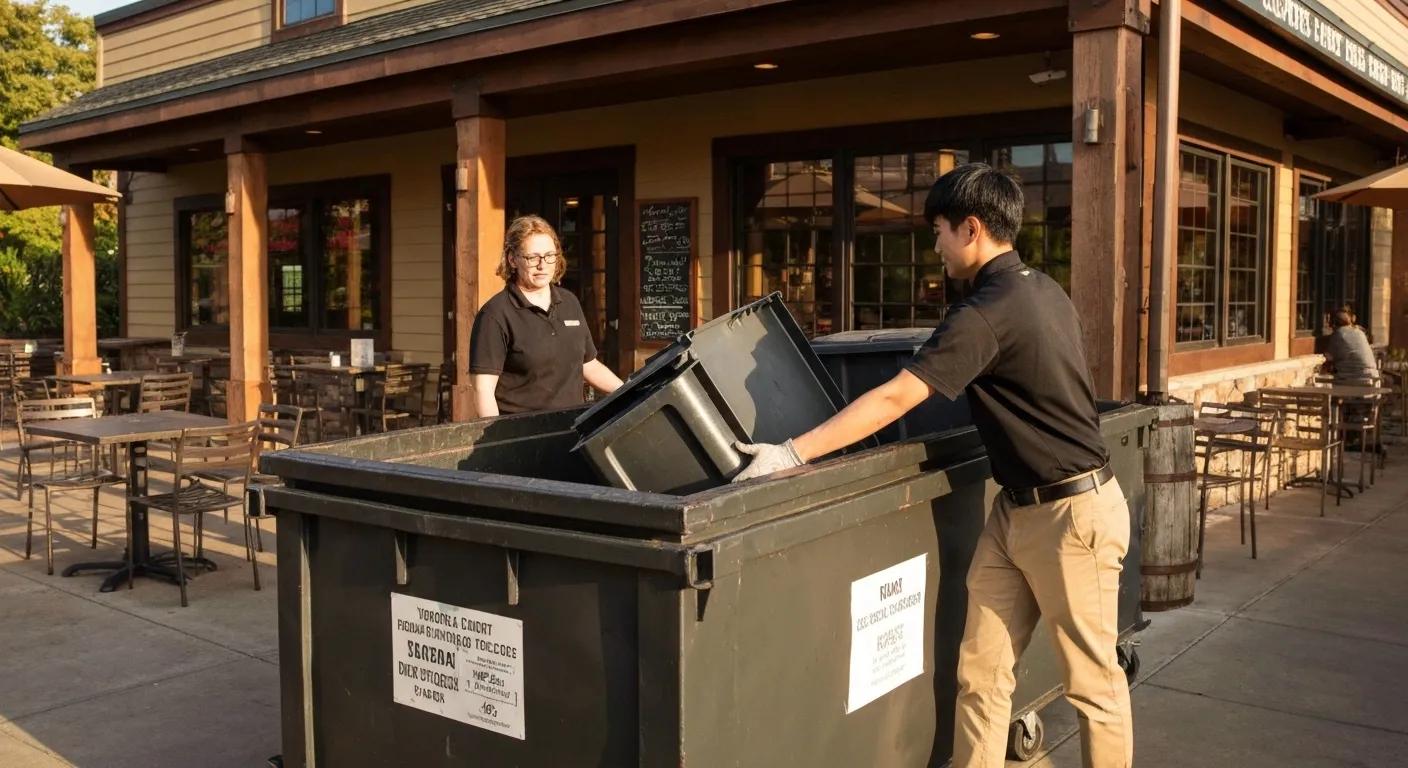
Front-load dumpsters are the go-to for businesses with consistent trash output. Think about these common users:
- Restaurants and cafes: Perfect for food scraps and packaging.
- Shops and malls: Great for cardboard boxes and general store trash.
- Office buildings: Ideal for paper, plastics, and everyday office waste.
- Apartment complexes: Helps manage regular waste removal for residents.
By matching the bin size and pickup schedule to your business’s waste volume, you’ll keep things clean and compliant. Let’s check out the standard sizes next.
Available Sizes and Capacities for Front-Load Dumpsters
Front-load containers typically come in these sizes:
Picking the right volume means no overflowing bins and reliable service on schedule. Now, let’s talk about how pickup schedules work.
Scheduled Pickup Process for Front-Load Dumpsters
Front-load service is all about a regular schedule that matches how much trash you produce:
- Weekly or bi-weekly pickups: For businesses with moderate trash levels.
- Daily or multiple pickups: For high-volume spots like busy restaurants.
- Flexible plans: We can adjust service to handle busy seasons or slower times.
Custom plans from Dumpster Rental Long Island Bros mean predictable costs and hassle-free, regular waste removal.
Comparing Roll-Off and Front-Load Dumpsters: Size, Cost, and Usage
When you put roll-off and front-load dumpsters side-by-side, you’ll see clear differences in how much they hold, how they’re priced, and what jobs they’re best for. Knowing these distinctions helps you pick the most budget-friendly and efficient bin for whatever waste challenge you’re facing.
Differences in Capacity and Size Between Roll-Off and Front-Load Dumpsters
Here’s a quick look at how they stack up in terms of size:
Roll-offs are built for massive, irregular loads, while front-loads are designed for the steady flow of daily trash. Planning your capacity needs before you rent is crucial.
Comparing Rental Costs for Roll-Off vs. Front-Load Dumpsters
Roll-off rentals usually come with a set fee for delivery and pickup, plus potential charges based on weight and volume. This works well for one-time, big disposal jobs. Front-load rentals are typically set up with fixed monthly rates or per-pickup charges, offering predictable costs for ongoing service. By considering how long you need the bin and what kind of waste you’re tossing, you can find the plan that offers the best value.
Allowed Waste Types for Each Dumpster Type
Each type of dumpster has its own set of rules for what you can toss:
- Roll-off dumpsters are great for construction debris, old furniture, roofing shingles, and yard waste.
- Front-load dumpsters are best for everyday trash, cardboard, paper, and lighter recyclables, following local guidelines.
Do you have hazardous stuff like old paint, solvents, or asbestos? It needs special handling. Give us a shout, and we’ll point you in the right direction for proper disposal.
Differences in Rental Duration and Pickup Frequency
Roll-off rentals are typically for short-term projects, often lasting a week or two per bin. Front-load agreements are usually long-term contracts with pickups happening weekly or even more often. Make sure your rental duration matches your project timeline to avoid paying for a bin that’s just sitting there or missing out on needed pickups.
Placement and Permit Requirements in Long Island
If you’re placing a dumpster on your own private property, like a driveway, you usually won’t need a special permit. However, if you need to put it on a street or sidewalk, you’ll likely need a permit from your town and have to follow specific rules about keeping public areas clear. We at Dumpster Rental Long Island Bros are here to help you navigate any local permit requirements, ensuring everything is set up smoothly and legally.
Dumpster Selection for Homeowners in Long Island
When you’re renovating or decluttering your home, you need a dumpster that fits your volume needs and is practical to place. Roll-off dumpsters are often the best bet for homeowners, while front-load bins might work for smaller jobs or if you have limited space and need regular pickups.
When a Roll-Off Dumpster Is Best for Home Renovations and Cleanouts
Roll-off dumpsters are your best friend when you’re dealing with big piles of drywall, old flooring, cabinets, or yard waste. Their open tops make loading heavy or awkward items a breeze, and having it right there on site means fewer trips to the dump. This type of bin really streamlines big home projects with a clear end date.
Suitability of Front-Load Dumpsters for Residential Use
Front-load bins can be handy for weekly yard waste or general trash if you’re doing small home tasks. But, their fixed lid and smaller size might mean you need more frequent pickups, which can add up. We generally suggest front-load dumpsters for ongoing trash management only if you have very limited driveway space.
Estimating Dumpster Size and Rental Cost for Residential Projects
Figuring out what you need is a simple three-step process:
- Estimate the total amount of debris you’ll have, thinking in terms of pickup truck loads.
- Match that volume to our container sizes (e.g., 2–3 truckloads usually means a 20-yard bin).
- Look at the one-time rental and disposal fees for roll-offs versus the regular rates for front-loads.
Following these steps will give you a clear budget and help you avoid any surprise charges.
Dumpster Selection for Commercial Property Owners and Businesses
Businesses do best when they match their dumpster size, service frequency, and contract terms to their specific needs. Front-load dumpsters often cut down on labor and scheduling headaches, while roll-off units are perfect for temporary needs or handling big waste surges.
Reasons for Preferring Front-Load Dumpsters for Ongoing Commercial Waste
- Scheduled pickups: Keep your business looking clean without extra manual effort.
- Locking lids: Secure your waste, keeping pests and weather out.
- Standard sizes: Fit easily into existing service areas and loading docks.
These benefits mean lower labor costs, easier compliance with regulations, and a smoother waste management process overall.
When Businesses Should Consider Roll-Off Dumpsters for Construction or Large Cleanouts
If your business is undertaking renovations, tenant build-outs, or major property cleanouts, roll-off dumpsters are the way to go. Their large capacity can handle sudden bursts of debris, keeping your work areas safe and tidy until the final pickup.
Aligning Dumpster Sizes and Service Terms with Business Needs
Choosing the right sizes and terms means looking at how much waste you generate, what your budget is, and how much space you have. We offer flexible plans for both roll-off and front-load dumpsters, ensuring your business gets the right container rotation, competitive pricing, and top-notch customer service.
Local Factors Affecting Dumpster Rental in Long Island
Local rules and environmental practices play a big role in how dumpster rentals work here on Long Island. Knowing about permit requirements, disposal rules, and sustainable options will make your project go much smoothly.
Permit Requirements for Dumpster Placement in Long Island
Most towns require permits if you plan to place a dumpster on a public street. You’ll usually get these from your local municipal office, often needing a site plan and proof of insurance. For private property, permits are generally not needed, but it’s always a good idea to check with your HOA if you have one before setting up.
Impact of Local Waste Disposal Guidelines on Dumpster Use
Long Island towns have specific rules about what you can and can’t throw away, like bans on electronics, tires, and certain types of yard waste. Recycling mandates might also require you to separate materials like metal and cardboard. Following these rules helps you avoid fines and supports our community’s recycling goals.
How Dumpster Rental Long Island Service Supports Sustainable Waste Management
We partner with certified disposal sites that focus on recycling and keeping waste out of landfills. Clean yard waste and concrete are often processed for reuse, which is great for the environment and helps us move toward a more circular economy.
Common Questions About Roll-Off vs. Front-Load Dumpsters
People often ask for straightforward answers about the main differences, how the service works, and the costs involved. Here are some quick answers to common questions:
The Primary Difference Between Roll-Off and Front-Load Dumpsters
Roll-off dumpsters are large, open-top bins for one-time projects, while front-load bins are smaller, lidded containers with scheduled pickups for ongoing business waste.
When to Use a Roll-Off Dumpster
Opt for a roll-off dumpster for big, short-term jobs like renovations, demolition debris removal, or major cleanouts where you need flexibility on-site.
When a Front-Load Dumpster Is More Suitable
Front-load dumpsters are ideal for businesses with consistent daily or weekly trash needs, where automated servicing cuts down on manual work and ensures regular waste removal.
The More Affordable Dumpster Type for Your Project
For short-term project surges, roll-off rentals can be more cost-effective per day. For longer contracts with regular pickups, front-load agreements often offer a lower per-pickup expense.
Waste Allowed in Each Dumpster Type
Roll-off containers handle heavy construction debris, household junk, and yard waste. In accordance with local rules, front-load bins are for general refuse, cardboard, paper, and light recyclables.
How to Choose the Right Dumpster Size
Estimate your total debris volume in pickup-truck loads, match it to a container’s capacity, and then compare the one-time fees for roll-offs versus the recurring rates for front-loads.
Picking the right dumpster makes getting rid of debris a breeze, keeps your projects on schedule, and helps you stick to your budget. At Dumpster Rental Long Island Bros, we combine our local know-how with a full range of roll-off and front-load options to perfectly match your needs. Whether you need a 10-yard roll-off for a bathroom remodel or a 6-yard front-load for your daily business trash, our team guarantees fast delivery, proper placement, and reliable pickups. Give us a call today to lock in the ideal dumpster solution for your Long Island project.