Long Island Commercial Dumpster Pricing | Smart Choices
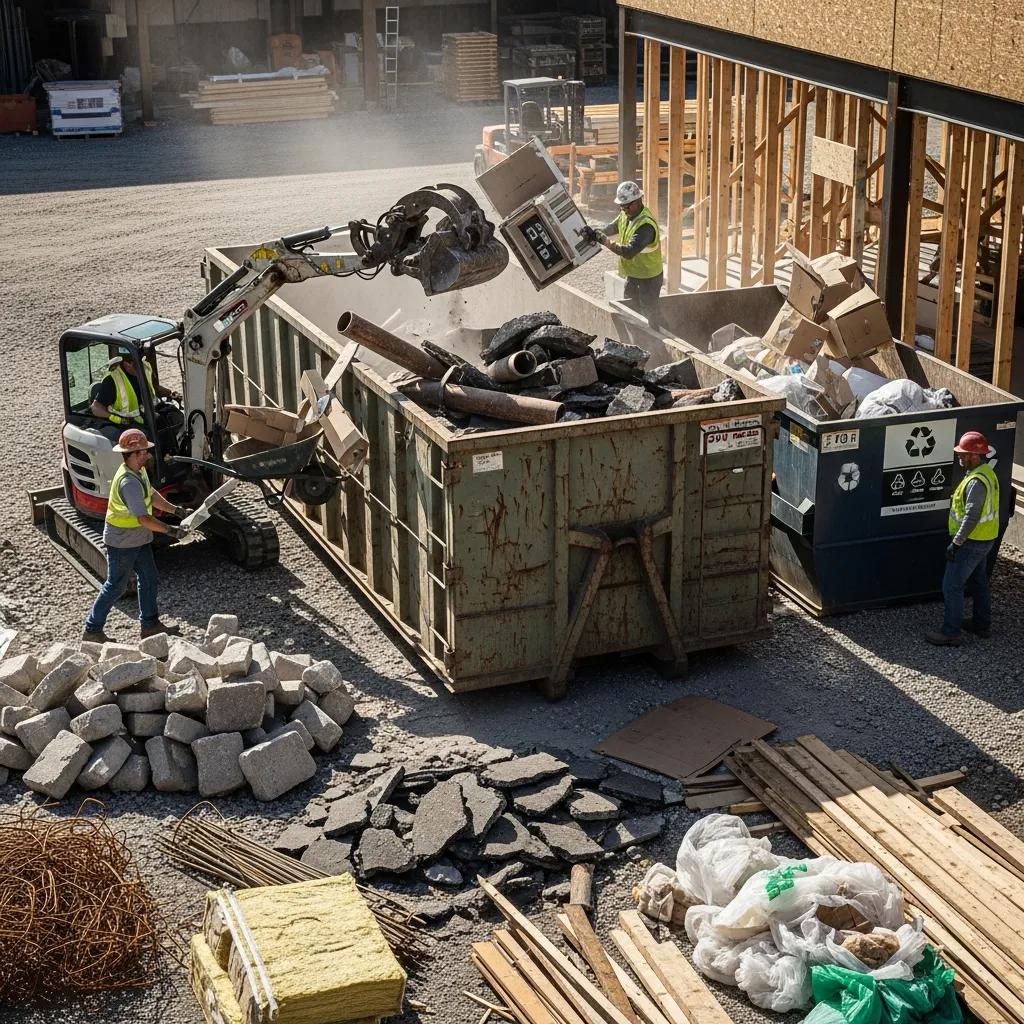
How Long Island Commercial Dumpster Pricing Works: Understanding Rates and Fees for Businesses in Long Island, NY
This guide explains commercial dumpster pricing on Long Island, NY, so businesses can budget and select the right service tailored to the local market. It describes the primary cost drivers—size, rental period, and ancillary charges—then outlines typical price ranges, compliance considerations, and why transparent quotes matter. The goal is to give commercial clients clear information to support effective waste-management decisions specific to Long Island’s regulatory and economic environment.
Typical Price Ranges
Price ranges vary by dumpster size and type. Businesses on Long Island should expect materially different base rates depending on capacity and intended use, influenced by local disposal fees and transportation costs.
Unit pricing principles explain how per-unit or per-ton charges affect total cost and revenue stability for providers and clients in the Long Island market.
Commercial Dumpster Unit Pricing & Economic Feasibility
This literature review assesses unit pricing for municipal solid waste, noting issues such as rate dumping and the economic feasibility of unit pricing, including effects on revenue stability. Unit pricing programs for residential municipal solid waste: an assessment of the literature, M.L. Miranda, 1996
The table reflects typical base rental rates by size in Long Island, NY. Use a 10-yard unit for small cleanouts and a 40-yard unit for major construction; choose the size that aligns with project scope to control cost effectively within the local market.
Factors Influencing Costs
Key variables that affect total cost on Long Island include dumpster capacity, permitted weight, waste composition, local disposal fees, and the length of the rental period.
- Size of the Dumpster: Larger dumpsters typically come with higher rental fees due to their increased capacity and handling requirements.
- Weight Allowance: Most rentals include a specific weight limit, and exceeding this limit can result in additional charges, especially given Long Island’s strict landfill weight regulations.
- Debris Type: Certain types of waste, such as hazardous materials or construction debris, may incur higher fees due to special handling and disposal requirements mandated by New York State and local authorities.
- Rental Duration: Longer rental periods can lead to increased costs, especially if the rental extends beyond the initial agreement.
Identifying these drivers helps businesses forecast expenses and reduce the risk of unexpected charges in the Long Island context.
Additional Fees
Beyond the base rate, companies should review potential surcharges and penalties that apply under common scenarios in Long Island, NY.
- Overweight Penalties: Charges incurred if the dumpster exceeds the weight limit, which are strictly enforced in the region.
- Fuel Surcharges: Fees that may be added based on fuel prices at the time of service, reflecting regional fuel cost fluctuations.
- Extended Rental Fees: Costs associated with keeping the dumpster longer than the agreed rental period.
Knowing these possible fees lets procurement teams allocate contingency funds and negotiate clearer terms with local providers.
Transparent Pricing
Transparent pricing is essential for accurate budgeting in Long Island’s competitive waste management market. Providers should supply line-item quotes that show base rates, surcharges, and applicable taxes.
Transparent quotes also help mitigate historical abuses and opaque billing practices that have occurred in the industry, particularly in the New York metropolitan area.
Long Island Dumpster Pricing: Addressing Price Gouging
This account describes instances of price gouging by carting companies operating in New York City and Long Island and industry resistance to change. The Omertà of the Carting Industry: A Dumpster Dive into the World of “Trash Politics” in New York City and Long Island, 2024
- Line-Item Quotes: Detailed breakdowns help businesses understand what they are paying for.
- Budgeting Accurately: Clear pricing allows for better financial planning and resource allocation.
- Avoiding Unexpected Charges: Transparency in pricing helps prevent hidden fees that can arise during the rental period.
Full cost accounting principles reinforce the need for comprehensive reporting so buyers see the true cost of service.
Achieving Transparency in Commercial Waste Pricing
This study examines full cost accounting and “disclosure transparency” in municipal waste operations, emphasising comprehensive cost reporting. Transparency and accountability lost? Full cost accounting reporting in the Swedish municipal solid waste business, M. Haraldsson, 2016
Prioritising transparent billing strengthens client relationships and reduces disputes over charges, a critical factor for businesses operating in Long Island, NY.
Local Regulations
Municipal regulations on Long Island influence pricing through permit requirements, disposal rules, and compliance costs, reflecting New York State’s environmental standards.
- Permit Requirements: Some areas may require permits for placing dumpsters on public property, which can add to the rental costs.
- Impact on Costs: Compliance with local regulations can lead to additional fees, especially if special permits are needed.
- Compliance with Local Regulations: Understanding local laws ensures that businesses remain compliant and avoid fines.
Awareness of local rules prevents fines and unplanned expenses during a project in Long Island, NY.
Standard Commercial Dumpster Sizes and Their Pricing in Long Island, NY
The standard commercial dumpster sizes below are common on Long Island; pricing listed in the table above reflects typical estimated ranges for the region.
Select sizes based on project volume and weight limits to avoid upgrades or overweight penalties that raise total cost in Long Island’s regulated waste disposal environment.
Cost Comparison of 10, 20, 30, and 40 Cubic Yard Dumpsters
Costs scale with capacity. Smaller units suit minor cleanouts; larger units are efficient for high-volume construction waste common in Long Island’s commercial sectors.
- 10-Yard Dumpster: Ideal for small cleanouts, typically priced between $275 and $460.
- 20-Yard Dumpster: Suitable for medium-sized projects, with costs ranging from $350 to $600.
- 30-Yard Dumpster: Best for larger renovations, priced between $450 and $800.
- 40-Yard Dumpster: Designed for extensive construction projects, costing between $600 and $1,000.
Choosing the correct size reduces per-ton costs and limits the need for multiple pickups, which is especially important given Long Island’s traffic and logistical considerations.
Factors Influencing Pricing Differences Among Dumpster Sizes
Price differences reflect capacity, market demand, and the logistics required to deliver and collect larger units in Long Island’s urban and suburban settings.
- Capacity: Larger dumpsters hold more waste, leading to higher rental fees.
- Demand: Seasonal demand can affect pricing, with higher costs during peak construction seasons on Long Island.
- Logistics: Delivery and pickup logistics can vary based on size, impacting overall costs, especially in congested or restricted-access areas.
Evaluating these factors lets businesses balance cost, convenience, and project timing effectively in Long Island, NY.
Rental Duration and Its Effect on Commercial Dumpster Costs in Long Island, NY
Rental duration affects total cost through base rate structures, potential discounts, and extension charges specific to Long Island providers.
- Pricing Variations: Short-term rentals may have different rates compared to long-term rentals.
- Potential Discounts: Some companies offer discounts for extended rental periods, making it more cost-effective for businesses.
- Additional Fees: Extended rentals beyond the agreed period can incur extra charges.
Plan rental windows to match project schedules and to benefit from any volume or duration discounts available in the Long Island market.
Typical Rental Periods and Their Fee Structures
Common rental terms include short flat-rate windows and longer agreements that may include discounted daily or weekly rates.
- Short-Term Rentals: Usually range from 1 to 7 days, with a flat fee.
- Long-Term Rentals: Often extend beyond a week, with potential discounts for longer commitments.
- Extension Fees: Charges that apply if the rental period exceeds the initial agreement.
Compare fee structures to determine which option minimises total cost given your project timeline in Long Island, NY.
Benefits of Flexible Rental Terms for Commercial Clients
Flexible terms reduce financial risk and allow adjustments when project needs change.
- Adjusting Rental Duration: Clients can modify their rental period based on project needs, avoiding unnecessary costs.
- Cost Savings: Longer rentals may come with discounts, providing financial benefits.
- Avoiding Penalties: Flexibility helps clients avoid penalties for early returns or extended rentals.
Flexibility helps businesses control costs while maintaining operational agility in the dynamic Long Island commercial environment.
Delivery, Pickup, and Additional Fees Businesses Should Expect in Long Island, NY
Delivery, pickup, and ancillary fees should be listed in quotes so buyers can model total project costs accurately.
- Delivery and Pickup Charges: Fees associated with transporting the dumpster to and from the site, influenced by Long Island’s geography and traffic conditions.
- Common Additional Fees: Charges for weight overages, fuel surcharges, and extended rental periods.
- Weight Overage Charges: Costs incurred if the dumpster exceeds the weight limit specified in the rental agreement.
Request detailed line items for transport and surcharges to avoid budget variances at closeout.
Calculation of Delivery and Pickup Charges
Transport fees are typically a function of distance, access complexity, and the unit size being moved.
- Distance: The distance from the rental company to the delivery location can affect costs, especially given Long Island’s spread-out communities.
- Logistical Challenges: Difficult access or special requirements may lead to higher fees.
- Volume of Waste: The size of the dumpster and the amount of waste can also influence delivery costs.
Assess site access and location during procurement to anticipate transport-related charges.
Common Additional Fees Like Weight Overage or Permit Costs
Typical additional charges include overweight penalties, permit fees, and fines for regulatory non-compliance.
- Weight Overage Charges: Fees for exceeding the weight limit of the dumpster.
- Permit Costs: Charges for obtaining necessary permits for placing dumpsters on public property.
- Potential Fines for Non-Compliance: Costs associated with failing to adhere to local regulations.
Include contingency for these items in project budgets and confirm limits with the provider before work begins.
Local Waste Disposal Regulations and Permits Impacting Dumpster Rental Pricing in Long Island, NY
Local disposal rules and permit regimes materially affect price by imposing administrative and operational requirements on providers and clients.
- Permit Requirements: Certain municipalities may require permits for dumpster placement, adding to rental costs.
- Impact on Costs: Compliance with local regulations can lead to additional fees, especially if special permits are needed.
- Compliance with Local Regulations: Understanding local laws ensures that businesses remain compliant and avoid fines.
Confirm municipal requirements early to factor permit fees and processing time into project planning.
Waste Disposal Permits Required for Commercial Dumpster Rentals
Permits are often required when a dumpster occupies public property or when local ordinances restrict placement; requirements vary by municipality within Long Island.
- Permit Requirements for Public Property: Businesses must check local regulations to determine if permits are necessary.
- Variations by Municipality: Requirements can vary significantly between different municipalities in Long Island.
- Application Process: Understanding the application process for permits can help businesses avoid delays.
Verify permit obligations with local authorities and your provider to avoid delays and fines.
Influence of Local Regulations on Overall Rental Costs
Regulatory requirements add direct costs through permit fees and indirect costs through required handling or disposal methods.
- Permit Fees: Costs associated with obtaining necessary permits can add to the rental price.
- Local Disposal Guidelines: Compliance with specific disposal guidelines may require additional resources or fees.
- Compliance Costs: Ensuring adherence to local regulations can lead to increased operational costs.
Account for regulatory compliance in procurement decisions to avoid scope and budget changes later.
Choosing the Right Dumpster Rental Service in Long Island, NY for Commercial Property Owners
Select a provider based on service range, transparent pricing, and demonstrated knowledge of local rules.
- Service Offerings: Evaluate the range of services provided by different companies, including size options and rental terms.
- Pricing Transparency: Look for companies that offer clear, detailed pricing to avoid unexpected fees.
- Local Expertise: Select a provider with knowledge of local regulations and waste disposal practices specific to Long Island, NY.
Assess providers against these criteria to reduce operational risk and ensure predictable costs.
What Should Businesses Look for in Pricing Transparency and Service Reliability?
Prioritise itemised quotes, verified customer feedback, and a provider’s local regulatory experience when evaluating vendors.
- Itemized Quotes: Ensure that quotes break down all costs associated with the rental.
- Customer Reviews: Research customer feedback to gauge service reliability and satisfaction.
- Local Expertise: Choose a provider familiar with local regulations and disposal practices.
These checks reduce the likelihood of service disruption and unexpected charges.
How Do Eco-Friendly Disposal Options Affect Pricing and Service Selection?
Sustainable disposal can change cost dynamics: recycling may lower disposal fees, while specialised handling for certain streams can increase them.
- Cost Savings Through Recycling: Companies that prioritize recycling may offer lower rates for recyclable materials.
- Service Selection Based on Sustainability: Businesses may choose providers that align with their sustainability goals.
- Compliance with Local Regulations: Eco-friendly practices often ensure compliance with local waste disposal regulations.
Consider recycling and diversion options alongside price to meet both sustainability targets and budget constraints in Long Island, NY.
Frequently Asked Questions
What types of businesses typically require commercial dumpster rentals in Long Island, NY?
Construction firms, retailers, restaurants, and event organisers commonly use commercial dumpsters. Construction sites need larger units for debris, while retail and food businesses typically require smaller, regularly serviced containers. Match size and service frequency to the business’s waste profile and local regulations.
How can businesses ensure they are getting the best dumpster rental deal in Long Island?
Compare multiple, itemised quotes and confirm what each includes. Evaluate rental duration, pickup frequency, and any discounts for longer commitments. Review customer feedback to verify service reliability before awarding a contract.
What should businesses do if they exceed the weight limit of their dumpster?
Exceeding weight limits usually triggers overweight charges. Monitor loads and, if limits will be exceeded, contact the provider to discuss an upgrade or an extra pickup. Proactive communication avoids surprise fees and contract disputes.
How can businesses prepare for the delivery of their dumpster?
Ensure the delivery area is accessible, clear of obstacles, and on stable ground. Allow sufficient space for placement and verify whether a permit is required for public property. Share site details with the provider to prevent delivery delays.
How much does a 30 yd dumpster cost to buy in Long Island, NY?
The cost to purchase a 30-yard dumpster varies depending on the manufacturer, features, and condition (new or used). Generally, prices range from $3,000 to $7,000. Buying a dumpster is a significant investment and is typically more suitable for businesses with ongoing waste disposal needs rather than short-term projects.
How much is a 20 yd dumpster to rent in Long Island, NY?
Renting a 20-yard dumpster on Long Island typically costs between $350 and $600, depending on rental duration, weight limits, and any additional fees. This size is popular for medium-sized projects and offers a balance between capacity and cost.
Is it cheaper to get a dumpster or go to the dump? List dumpster sizes and their costs in Long Island, NY.
Whether it is cheaper to rent a dumpster or haul waste directly to a dump depends on the volume of waste, frequency of disposal, and transportation costs. Renting a dumpster offers convenience and can be cost-effective for large or ongoing projects. For small, infrequent loads, taking waste directly to a dump may be less expensive. Typical dumpster sizes and their rental price ranges on Long Island are:
What is a standard commercial dumpster size in Long Island, NY?
The standard commercial dumpster sizes commonly used on Long Island include 10, 20, 30, and 40 cubic yards. These sizes accommodate a range of project types from small cleanouts to large construction jobs. The dimensions and weight limits vary by size, with 20-yard dumpsters often considered a standard choice for many commercial applications due to their balance of capacity and manageability.
Conclusion
A clear understanding of size, weight limits, rental terms, and local regulations in Long Island, NY enables businesses to control dumpster rental costs and avoid unexpected fees. Prioritise transparent, itemised quotes and select providers with local expertise to improve compliance and operational efficiency. Use these criteria to identify the rental options that best fit your business requirements in Long Island, NY.