Industrial Waste Dumpster Rental | Choose the Best Fit
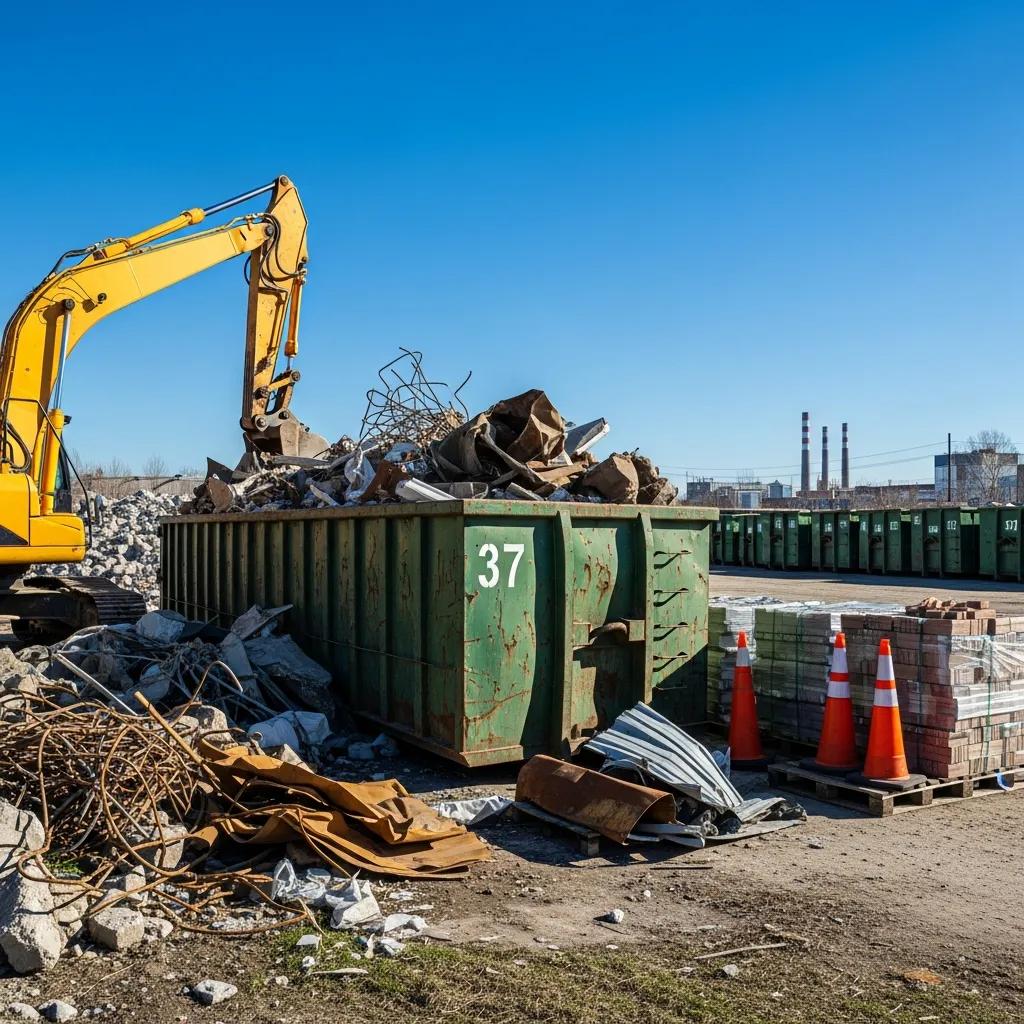
Industrial Dumpster Rental in Long Island: How to Choose the Right Dumpster for Industrial Waste
Selecting the correct dumpster for industrial waste is essential to operational efficiency, environmental stewardship, and regulatory compliance. This comprehensive guide outlines the critical factors to evaluate, the various dumpster types available, and expert tips for making an informed choice. Many organizations face increased costs and regulatory risks when waste management is not optimized. By gaining a thorough understanding of industrial dumpster rental, you can streamline disposal operations, reduce environmental impact, and maintain full compliance with applicable laws. This article covers selection criteria, common dumpster types, practical guidance, and the benefits of professional services in Yonkers.
Factors to Consider:
When specifying a dumpster for industrial waste, it is vital to assess the following factors to ensure the selected solution aligns with your operational needs and regulatory obligations.
- Type of Waste: Different waste streams require specific handling, containment, and disposal methods. Accurately identifying the nature of your waste is fundamental to selecting the appropriate dumpster.
- Project Size and Duration: The scale and timeline of your project influence the dumpster size and rental period needed to manage waste effectively.
- Accessibility: Evaluate the placement location for the dumpster, ensuring it is accessible for delivery, pickup, and safe operation without disrupting site activities.
- Local Regulations: Understanding and adhering to local, state, and federal waste disposal regulations is critical to avoid fines and ensure environmental compliance.
These considerations form the foundation for making a well-informed dumpster selection that meets your waste stream characteristics and site constraints.
Types of Dumpsters Available:
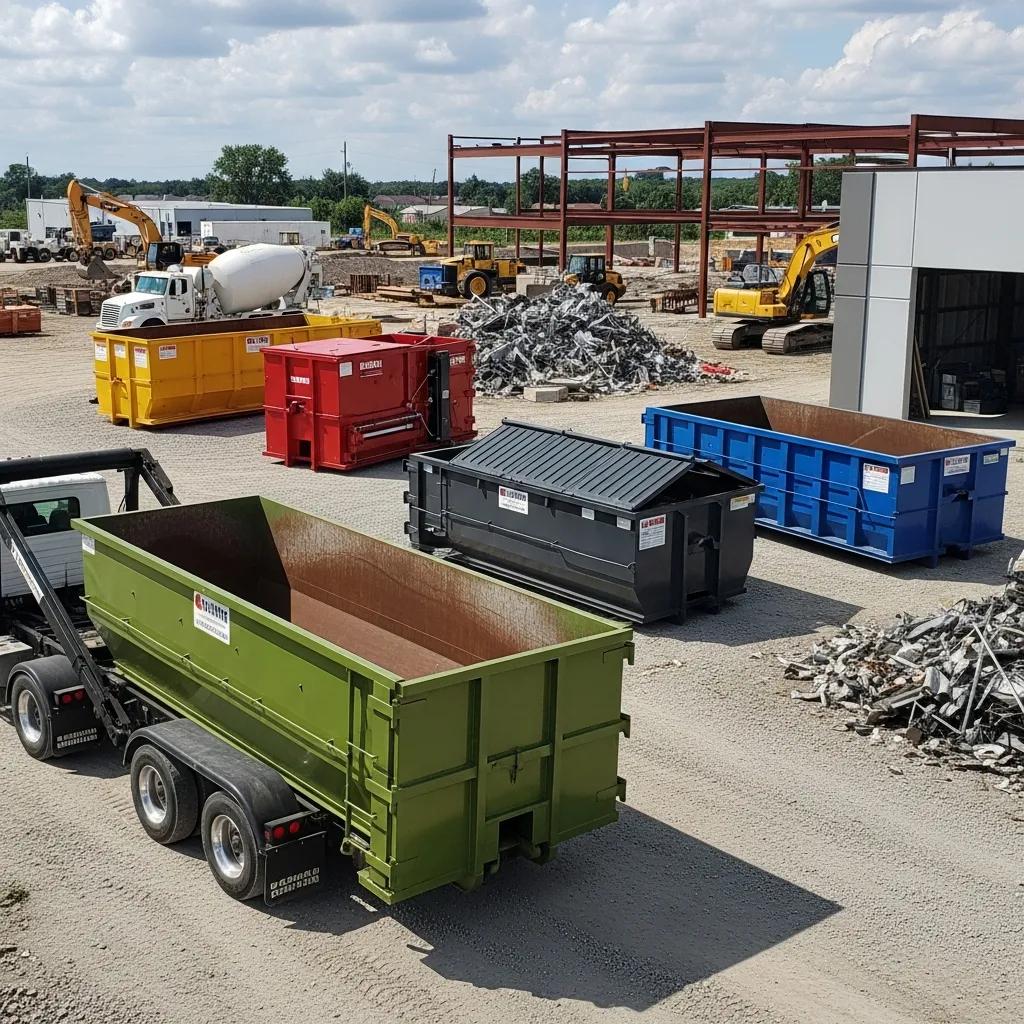
Industrial dumpsters come in multiple configurations, each engineered to accommodate specific waste types, volumes, and operational requirements.
- Roll-Off Dumpsters: Designed for large-scale projects, these dumpsters are transported on trucks and rolled off at the site. They are ideal for construction debris, renovation waste, and substantial volumes of industrial refuse.
Managing diverse container types and collection logistics presents significant operational challenges, as highlighted by research into industrial waste container logistics.
Optimizing Industrial Waste Container Logistics
Waste management companies deliver empty containers to industrial clients for filling with various waste types. Full containers are transported to depots for emptying and reuse, while empty containers are stored at multiple locations. The logistics involve complex routing problems with multiple container and waste types, heterogeneous fleets, pickup and delivery constraints, and time windows, increasing solution complexity.
Solving a real-life roll-on–roll-off waste collection problem with column generation, K Sörensen, 2019
- Front-Load Dumpsters: Commonly used for ongoing waste collection, these dumpsters are emptied by front-loading garbage trucks. They suit businesses with regular waste disposal needs, such as manufacturing facilities and commercial properties.
- Specialty Dumpsters: Tailored for specific waste streams like hazardous materials, electronic waste, or medical waste, these dumpsters ensure safe, compliant, and environmentally responsible disposal.
Recognizing these dumpster categories enables you to select the most suitable option aligned with your project’s waste profile and operational demands.
EAV Table: Dumpster Types and Specifications
Each dumpster type has distinct specifications designed to address particular operational requirements and waste characteristics.
This table summarizes common dumpster types, their capacities, and typical use cases to support informed decision-making.
Tips for Selecting the Right Dumpster:
Effective dumpster selection requires careful planning and accurate waste volume estimation. The following expert tips will guide your decision-making process.
- Estimate Waste Volume: Precisely estimate the volume and type of waste your project will generate to select an appropriately sized dumpster.
- Consult with Experts: Engage with dumpster rental professionals who can provide tailored advice based on your specific operational needs and regulatory environment.
- Compare Quotes: Solicit and evaluate quotes from multiple providers to ensure competitive pricing and comprehensive service offerings.
- Plan for Permits: Verify local permit requirements for dumpster placement and secure necessary approvals in advance to avoid project delays.
Applying these strategies minimizes risks of undersizing, non-compliance, and unexpected costs during your project.
What Types of Industrial Waste Require Specialized Dumpster Solutions?
Certain industrial waste streams necessitate specialized handling and disposal methods to ensure safety, regulatory compliance, and environmental protection.
- Hazardous Waste: Materials posing health or environmental risks require dedicated dumpsters designed for secure containment and compliant disposal.
Proper management of hazardous industrial waste is critical for environmental sustainability and public health, demanding specialized treatment and disposal protocols.
Effective Management & Disposal of Hazardous Industrial Waste
Managing hazardous industrial waste involves complex challenges for environmental and human health. Effective strategies include physical, chemical, and biological treatments, alongside disposal methods such as landfilling, incineration, and recycling. Responsible waste management reduces environmental impact and supports healthier ecosystems through comprehensive plans emphasizing waste reduction, sustainable treatment, regulatory compliance, and stakeholder engagement.
Managing hazardous industrial waste: effective treatment and disposal approaches, M Hashim, 2025
- Heavy Debris: Construction and demolition projects generate heavy debris requiring robust, durable containers capable of handling substantial weight.
- Non-Hazardous Construction Waste: Although not hazardous, this waste stream still demands proper disposal to comply with regulations and environmental standards.
- Yard Waste: Organic waste from landscaping and grounds maintenance may require specialized disposal solutions to facilitate composting or green waste processing.
Identifying waste streams that require specialized handling ensures the selection of appropriate dumpsters and disposal pathways, enhancing safety and compliance.
How Do Waste Characteristics Determine Dumpster Compatibility?
Compatibility between waste types and dumpster options depends on material properties, weight, regulatory constraints, and site-specific conditions.
- Type of Waste: Different materials have unique disposal requirements that influence the choice of dumpster type and features.
- Weight Considerations: Heavier materials necessitate dumpsters with reinforced construction to safely accommodate loads without damage.
- Local Regulations: Compliance with jurisdictional waste disposal laws may restrict dumpster types or require specialized containers.
- Accessibility and Site Conditions: Physical site characteristics, such as space constraints and terrain, affect the feasibility of delivering and positioning certain dumpster types.
Accounting for these factors ensures the selected dumpster is operationally effective and legally compliant with your waste management needs.
How to Select the Appropriate Dumpster Size and Type for Industrial Use?
Selecting the right dumpster size and type involves applying practical guidelines aligned with your project’s waste profile and operational parameters.
- Types of Waste Generated: Identify the waste streams your project will produce to determine the appropriate dumpster category.
- Total Weight and Tonnage: Assess the total weight of waste to ensure the dumpster can safely accommodate it without exceeding limits.
- Project Size and Duration: Larger or longer projects may require bigger dumpsters or multiple rentals over time to manage waste effectively.
- Accessibility for Delivery and Pickup: Confirm that the dumpster can be delivered and retrieved safely and efficiently given site conditions.
Following these guidelines helps specify a dumpster that meets your project’s operational, weight, and access requirements.
What Are Common Roll-Off Dumpster Sizes for Industrial Waste?
Standard roll-off dumpster sizes vary to accommodate different project scopes and waste volumes.
- 10 Yard Dumpster: Suitable for small renovations, cleanouts, or limited waste generation.
- 15 Yard Dumpster: Ideal for medium-sized projects such as minor construction or remodeling.
- 20 Yard Dumpster: Commonly used for larger renovations and construction projects.
- 30 Yard Dumpster: Best suited for significant construction or demolition projects with substantial waste.
- 40 Yard Dumpster: Designed for large-scale industrial projects generating high volumes of waste.
Familiarity with these common sizes supports accurate specification and cost estimation for your project.
How to Match Dumpster Capacity to Commercial Waste Volume?
Correctly matching dumpster capacity to your commercial waste volume is essential to avoid excess costs and operational disruptions.
- Estimate Waste Volume: Utilize size guides, calculators, and historical data to estimate the volume of waste your project will generate.
- Consider Material Density: Different materials have varying densities, influencing how much waste fits within a given dumpster size.
- Use Size Guides and Calculators: Many rental companies provide tools to assist in selecting the appropriate dumpster size based on your project specifics.
- Review Common Project Pairings: Understand typical dumpster sizes used for similar projects to inform your selection.
Adhering to these steps ensures the dumpster you select is appropriately sized for your waste volume and material characteristics.
What Are the Rental Terms and Pricing Structures for Industrial Dumpster Services in Long Island?
Understanding rental terms and pricing structures is crucial for accurate budgeting and cost management.
- Base Rate: The initial rental cost varies depending on dumpster size, type, and rental duration.
- Weight Overages: Additional fees may apply if the waste exceeds the included weight allowance.
- Debris Type: Certain waste types, such as hazardous or bulky materials, may incur higher handling fees.
- Delivery and Pickup Fees: Charges vary based on distance, accessibility, and scheduling requirements.
Being aware of these terms enables effective budgeting and minimizes the risk of unexpected expenses.
How Long Can Industrial Dumpsters Be Rented?
Rental durations for industrial dumpsters vary based on project needs and local regulations.
- Project Needs: The dumpster rental period should align with your project timeline and waste generation rate.
- Rental Agreements: Many providers offer flexible rental terms, including extensions if necessary.
- Local Regulations: Some jurisdictions impose limits on how long dumpsters can remain on-site.
- Availability: High demand periods may affect rental duration options and availability.
Consider your project schedule, supplier policies, and regulatory constraints when planning rental duration.
What Factors Influence Roll-Off Dumpster Rental Prices?
Roll-off dumpster pricing reflects a combination of equipment, service, and waste characteristics.
- Dumpster Size: Larger dumpsters generally command higher rental fees.
- Rental Duration: Extended rental periods may incur additional charges.
- Weight Limits and Included Tonnage: Exceeding weight allowances results in overage fees.
- Debris Type: Special handling requirements for certain materials can increase costs.
Understanding these cost drivers helps anticipate expenses and facilitates effective comparison of supplier proposals.
How Do Environmental Compliance and Waste Disposal Regulations Impact Industrial Dumpster Rental?
Environmental compliance and waste disposal regulations significantly influence dumpster selection, handling procedures, and overall costs.
- Permit Requirements: Some locations mandate permits for dumpster placement, adding to project costs and administrative tasks.
- Banned Items: Prohibited materials require alternative disposal methods or specialized containers.
- Recycling Requirements: Regulations may require segregation and recycling of specific waste streams, affecting dumpster choice and waste processing.
- Local Waste Disposal Guidelines: Adherence to local guidelines is essential to avoid penalties and ensure responsible waste management.
Awareness of regulatory requirements reduces compliance risks and informs an effective waste management strategy.
What Local Regulations Govern Industrial Waste Disposal in Long Island?
Local regulations in Long Island encompass permits, prohibited materials, recycling mandates, and transfer station policies that govern industrial waste disposal.
- Permit Requirements: Businesses may need to secure permits for waste disposal activities and dumpster placement.
- Banned Items and Recycling Requirements: Certain materials are prohibited from standard dumpsters, and recycling mandates may apply to specific waste types.
- Environmental Compliance: Strict adherence to environmental standards is necessary to avoid legal penalties and protect public health.
- Transfer Station Policies: Local transfer stations enforce policies regarding waste acceptance, sorting, and disposal methods.
Understanding and complying with these local requirements is critical for maintaining lawful and efficient waste operations.
Research into industrial waste management often reveals gaps in public services and regulatory oversight, underscoring the need for comprehensive frameworks to enhance waste handling and environmental protection.
Improving Industrial Waste Management & Public Services
This mixed-methods research examines industrial waste management, public services, and government network operations in Samut Sakhon Province, Thailand, aiming to identify improvements. Findings indicate that Thai industrial waste management under the Department of Industrial Works emphasizes eight international principles compared to ten principles of best international practice. Private factories prioritize disposal over recovery, reflecting limited focus on source reduction. The study links industrial waste management challenges to the network of government agencies.
Industrial waste management and management of government networks in the improvement of public service provision: An explanation and suggestion for new ways…, 2021
How to Ensure Dumpster Rental Services Meet Environmental Standards?
Verifying environmental compliance from your rental provider requires due diligence and documented evidence of their operational practices.
- Understand Local Regulations: Familiarize yourself with applicable environmental laws and standards in your jurisdiction.
- Check for Permits: Confirm that the rental company holds all necessary permits and licenses for waste disposal and transportation.
- Choose a Reputable Provider: Select a dumpster rental service with a proven commitment to environmental compliance and responsible waste management.
- Implement Best Practices for Waste Management: Adopt waste minimization, segregation, and proper disposal practices to support sustainability goals.
Following these steps helps ensure your rental provider operates within environmental standards, reducing regulatory risks and supporting sustainable waste management.
Why Choose Professional Dumpster Rental Services in Yonkers for Industrial Waste Management?
Professional dumpster rental providers in Yonkers offer significant operational, regulatory, and cost advantages for industrial waste management.
- Cost-Effectiveness: Expert services help optimize dumpster size and type selection, reducing unnecessary expenses.
- Compliance with Regulations: Experienced providers possess in-depth knowledge of local regulations, ensuring compliant waste disposal practices.
- Service Reliability: Professional services guarantee timely deliveries and pickups, minimizing operational disruptions.
Engaging qualified providers supports safer, more reliable, and cost-efficient waste management operations.
What Benefits Do Commercial Property Owners Gain from Expert Dumpster Rentals?
Commercial property owners benefit from enhanced operational efficiency and regulatory assurance by utilizing expert dumpster rental services.
- Cost Efficiency: Professional services streamline waste management processes, reducing overall costs and resource use.
- Compliance with Regulations: Experts ensure waste disposal aligns with local laws, minimizing legal and environmental risks.
- Convenience in Waste Disposal: Reliable services simplify waste handling, allowing property owners to focus on core business activities.
These advantages demonstrate the practical value of partnering with experienced rental providers for commercial properties.
How Does Reliable Service and Competitive Pricing Enhance Waste Management?
Reliable service and transparent pricing improve operational predictability and cost control in waste management.
- Timely Deliveries and Pickups: Dependable services ensure dumpsters are delivered and collected as scheduled, preventing waste accumulation and site disruptions.
- Transparent Pricing: Clear, competitive pricing structures facilitate accurate budgeting and cost comparisons.
- Local Expertise: Providers with local knowledge offer tailored solutions that comply with regional regulations and address specific waste management challenges.
Combined, these factors enable more efficient and effective waste management for businesses.
Frequently Asked Questions
What Are the Environmental Impacts of Improper Industrial Waste Disposal?
Improper disposal of industrial waste can lead to soil and water contamination, increased air pollution, and harm to wildlife and ecosystems. Hazardous materials improperly managed may leach into groundwater or waterways, posing significant health risks to humans and the environment. Non-compliance with regulations can also result in legal penalties and reputational damage. Responsible waste management practices are essential to mitigate these risks and promote sustainability.
How Can Businesses Ensure Compliance with Local Waste Disposal Regulations?
Businesses should thoroughly understand local laws, including permit requirements, prohibited materials, and recycling mandates. Regular staff training, consultation with waste management professionals, and monitoring regulatory updates are critical to maintaining ongoing compliance and avoiding fines.
What Should Businesses Do If They Generate Hazardous Waste?
Businesses generating hazardous waste must adhere to strict handling and disposal regulations. This includes identifying and segregating hazardous materials, using specialized containers, and contracting licensed hazardous waste disposal firms. Continuous staff training and clear operational procedures further enhance safety and regulatory compliance.
What Are the Benefits of Using a Local Dumpster Rental Service?
Local dumpster rental services typically offer faster response times, reduced transportation costs, and greater familiarity with regional regulations and transfer station policies. Local providers often deliver personalized support to help select the appropriate dumpster and contribute positively to the local economy.
How Can Businesses Estimate the Volume of Waste They Will Generate?
Estimating waste volume involves reviewing historical project data, analyzing waste production patterns, and utilizing size guides and calculators provided by rental companies. Consulting waste management professionals and maintaining detailed records improve the accuracy of future waste volume estimates.
How Can Businesses Improve Their Waste Management Practices?
Businesses can enhance waste management by conducting regular waste audits, implementing reduction and recycling plans, training staff on best practices, and partnering with waste management professionals for tailored solutions. Incorporating recycling and composting where feasible further supports sustainability goals.
What Size Dumpster Is Best for Industrial Waste Disposal?
The best dumpster size for industrial waste disposal depends on the volume and type of waste generated by your project. For small to medium projects, dumpsters ranging from 10 to 20 yards are typically sufficient. Larger industrial projects with substantial waste volumes may require 30 to 40-yard roll-off dumpsters. It is important to accurately estimate your waste volume and consider the nature of the waste to select a dumpster that prevents overfilling or underutilization. Consulting with rental professionals can help determine the optimal size tailored to your specific industrial waste disposal needs.
Conclusion
Choosing the right dumpster for industrial waste is critical to achieving operational efficiency, regulatory compliance, and cost control. A thorough understanding of dumpster types, selection criteria, and waste management best practices enables streamlined disposal processes. Engaging professional rental services ensures adherence to environmental standards while optimizing your waste management strategy. Contact our experts today to identify the ideal dumpster solution tailored to your industrial waste needs.