Dumpster Sizes Long Island | Find the Best Size for Projects
Find Your Perfect Dumpster Size
When planning a project in Long Island, selecting the correct dumpster size is essential. Projects generate varying waste volumes; the right choice reduces delays and controls costs. This guide explains common sizes, dimensions, and recommended uses so you can make an informed decision for residential, commercial, or cleanout work. It also outlines selection criteria and the factors that influence rental pricing.
What Are the Common Dumpster Sizes Available for Long Island Rentals?
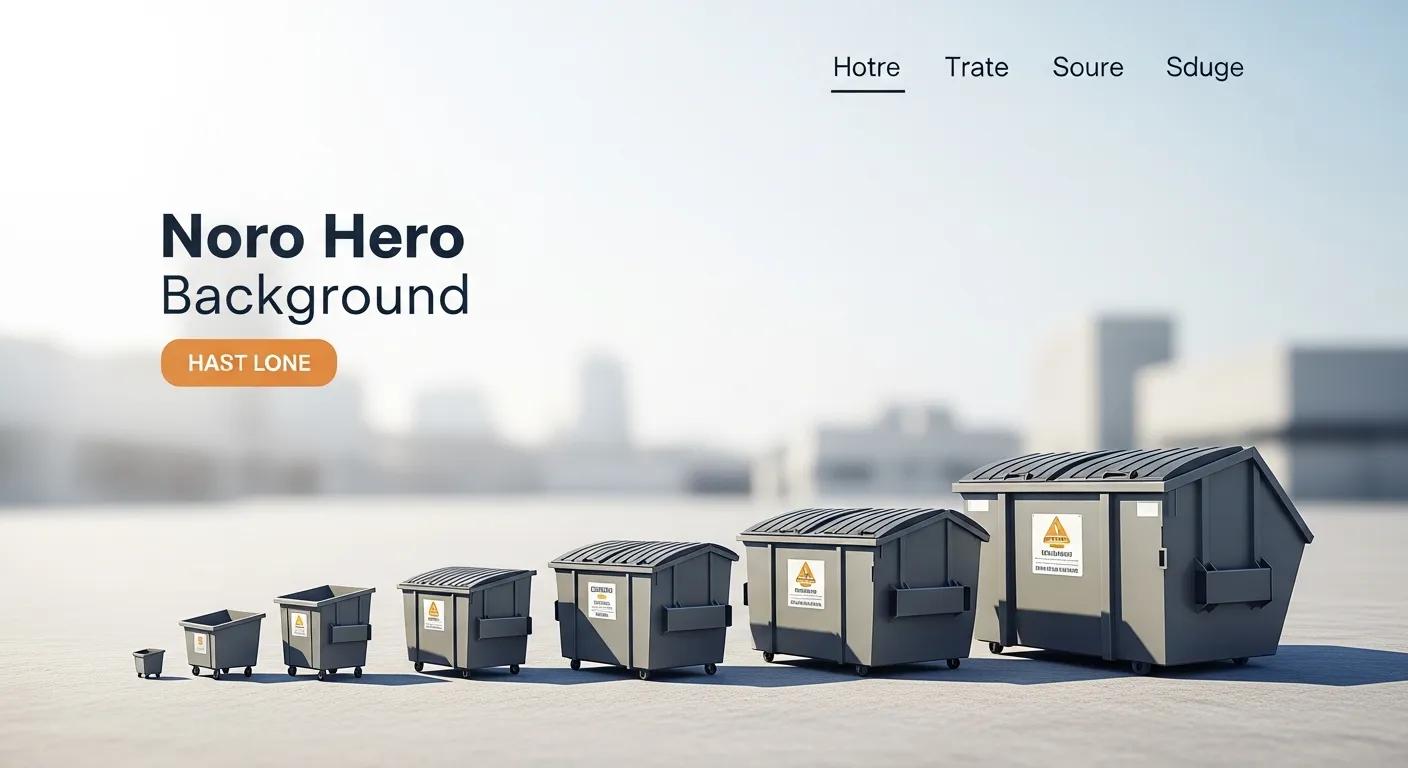
In Long Island, dumpster rentals are offered in several standard sizes to match different project scopes. The most common options are listed below, with typical capacity and use cases for each.
- 10-Yard Dumpster: Ideal for small cleanouts or minor renovations, this size can hold approximately 10 cubic yards of debris, equivalent to about 2-3 pickup truck loads.
- 15-Yard Dumpster: Suitable for medium-sized projects like garage cleanouts or small remodeling jobs, it holds about 15 cubic yards, roughly 5 pickup truck loads.
- 20-Yard Dumpster: A popular choice for larger home renovations or construction projects, this size can accommodate around 20 cubic yards, equivalent to 6-8 pickup truck loads.
- 30-Yard Dumpster: Best for significant renovations or large construction sites, it holds about 30 cubic yards, which is about 8-10 pickup truck loads.
- 40-Yard Dumpster: The largest option, ideal for major construction projects or large-scale cleanouts, can hold approximately 40 cubic yards, equivalent to 12-16 pickup truck loads.
These standard sizes cover most project requirements and allow you to match capacity to expected waste volumes.
How Do Roll Off Dumpster Sizes Vary by Volume and Dimensions?
Roll-off dumpsters differ in length, width, height, and volume. Understanding these specifications helps you select the unit that meets site constraints and waste quantity. The table below provides typical dimensions and capacities for common roll-off sizes.
This table demonstrates how dimensions relate to volume capacity, helping you visualise the footprint and holding capability of each dumpster size.
Which Dumpster Sizes Are Best Suited for Residential Versus Commercial Use?
Project classification—residential or commercial—guides recommended dumpster sizes. The comparison below outlines typical selections for each application.
- Residential Use:10-Yard Dumpster: Perfect for small home projects like garage cleanouts or landscaping.15-Yard Dumpster: Ideal for medium-sized renovations, such as bathroom remodels or small kitchen updates.20-Yard Dumpster: Suitable for larger home renovations or significant cleanouts.
- Commercial Use:20-Yard Dumpster: Often used for commercial renovations or larger cleanouts.30-Yard Dumpster: Commonly utilized for construction sites or large commercial projects.40-Yard Dumpster: Best for extensive construction projects or large-scale waste disposal needs.
Matching the dumpster size to the project type helps ensure efficient on-site waste handling and cost-effective disposal.
How to Choose the Right Dumpster Size for Your Long Island Project?
Selecting the appropriate dumpster size requires assessment of several factors. The following points guide an effective selection process.
- Project Type: Assess the nature of your project. Is it a small home renovation, a large construction site, or a simple cleanout? Each type will have different waste generation levels.
- Debris Volume: Estimate the amount of debris you expect to generate. A rough estimate can help you choose a size that won’t overflow or leave you with excess space.
- Common Mistakes: Avoid underestimating your needs. It’s often better to choose a slightly larger dumpster than to risk running out of space.
- Consultation: If unsure, consult with a dumpster rental service. They can provide insights based on your project specifics and help you select the right size.
Considering these factors ensures your dumpster selection aligns with project scope and avoids operational disruptions.
For reliable service, Dumpster Rental Long Island Company offers a range of sizes and can recommend the optimal option based on your project requirements.
What Dumpster Size Do You Need for Home Renovations and Cleanouts?
When planning home renovations or cleanouts, selecting the right dumpster size is essential to manage waste effectively. Here are some recommendations based on common home projects:
- Small Cleanouts: For minor cleanouts, such as a garage or attic, a 10-yard dumpster is typically sufficient.
- Medium Renovations: For projects like bathroom or kitchen remodels, a 15-yard dumpster is often the best choice.
- Large Renovations: For extensive renovations or whole-home cleanouts, consider a 20-yard dumpster to accommodate the increased volume of debris.
The correct dumpster size prevents excess trips and ensures efficient waste removal throughout the project.
Which Dumpster Sizes Are Ideal for Construction and Commercial Waste?
Construction and commercial projects often generate significant amounts of waste, requiring larger dumpster sizes. Here are the ideal options:
- 20-Yard Dumpster: Suitable for medium-sized construction projects, such as small commercial renovations.
- 30-Yard Dumpster: Ideal for larger construction sites, capable of handling bulky debris and significant waste volumes.
- 40-Yard Dumpster: Best for extensive commercial projects, such as new builds or major renovations, where large amounts of waste are generated.
Appropriate sizing supports effective debris management and helps maintain a safe, orderly worksite.
What Are the Pricing Factors for Dumpster Rentals in Long Island?
Several factors influence the cost of dumpster rentals in Long Island. Understanding these can help you budget effectively for your project. Key pricing factors include:
- Size of the Dumpster: Larger dumpsters typically cost more due to their increased capacity.
- Weight Allowances: Most rentals come with a weight limit; exceeding this can result in additional fees.
- Rental Duration: The length of time you need the dumpster can affect the overall cost, with longer rentals generally incurring higher fees.
- Location: Delivery fees may vary based on your location within Long Island.
Evaluating these factors enables more accurate budgeting for rental expenses.
This table summarizes the primary cost drivers so you can compare options and forecast total rental charges.
How Does Rental Duration Affect Dumpster Rental Costs?
The duration of your dumpster rental significantly impacts the overall cost. Here are some considerations:
- Short Rentals: If you only need the dumpster for a day or two, you may incur a lower base fee, but additional days can quickly add up.
- Long Rentals: Renting for a week or more often comes with discounted rates, making it more economical for larger projects.
- Discussing Duration: Always discuss your expected rental duration upfront with the rental company to avoid unexpected charges.
Clear planning of rental duration reduces the risk of unexpected charges and supports project scheduling.
What Additional Fees Should You Expect with Dumpster Rentals?
When renting a dumpster, it’s essential to be aware of potential additional fees that may apply. Common fees include:
- Fuel Surcharges: Some companies may charge extra for fuel, especially if your location is far from their base.
- Overweight Penalties: Exceeding the weight limit can result in significant additional charges.
- Permit Fees: If you need a permit for placing the dumpster on public property, this may incur extra costs.
Awareness of these fees enables precise budgeting and helps prevent invoice surprises.
What Local Regulations and Permits Affect Dumpster Rentals in Long Island?
Local regulations and permits play a crucial role in dumpster rentals in Long Island. Here are some key points to consider:
- Permit Requirements: If you plan to place a dumpster on public property, you may need to obtain a permit from your local municipality.
- Zoning Rules: Different areas may have specific zoning regulations that dictate where dumpsters can be placed.
- Prohibited Items: Certain materials may be prohibited from disposal in dumpsters, such as hazardous waste or electronics.
Compliance with local regulations reduces the risk of fines and project delays.
When Is a Permit Required for Dumpster Placement in Long Island?
Permits are often required for dumpster placement in specific situations. Here’s when you might need one:
- Public Property: If the dumpster will be placed on a street or sidewalk, a permit is typically required.
- Local Town Requirements: Each town may have its own rules regarding dumpster placement, so it’s essential to check local regulations.
- Duration Limits: Some permits may have restrictions on how long a dumpster can remain in place.
Confirming permit requirements in advance prevents scheduling delays and ensures compliant placement.
What Materials Are Prohibited in Long Island Dumpster Rentals?
Certain materials are prohibited from being disposed of in dumpsters in Long Island. Common prohibited items include:
- Hazardous Waste: Items like chemicals, batteries, and paint are typically not allowed.
- Electronics: Many areas have specific regulations regarding the disposal of electronic waste.
- Appliances: Large appliances may require special handling and cannot be placed in standard dumpsters.
Adhering to these restrictions protects the environment and ensures regulatory compliance.
How to Schedule Dumpster Delivery and Pickup Efficiently in Long Island?
Efficient scheduling of dumpster delivery and pickup can streamline your project. Here are some best practices:
- Understand Local Regulations: Familiarize yourself with any local regulations that may affect scheduling.
- Plan Ahead for Permits: If a permit is required, ensure you obtain it before scheduling delivery.
- Coordinate with Haulers: Communicate your project timeline clearly with the rental company to ensure timely delivery and pickup.
Following these steps supports timely delivery and pickup and reduces operational interruptions.
What Is the Typical Rental Duration and Scheduling Process?
The typical rental duration for dumpsters in Long Island varies based on project needs. Here’s an overview:
- Standard Rental Durations: Most rentals are available for periods ranging from 1 to 14 days.
- Extension Options: If you need the dumpster for longer, many companies offer extension options for an additional fee.
- Scheduling Process: The scheduling process usually involves contacting the rental company, discussing your needs, and confirming delivery and pickup dates.
Knowing standard rental windows and extension options helps you align delivery and disposal with project milestones.
How Can Digital Platforms Simplify Dumpster Rental Scheduling?
Digital platforms have revolutionized the way dumpster rentals are scheduled. Here are some benefits:
- Convenience of Online Scheduling: Many companies now offer online booking, allowing you to schedule your rental at your convenience.
- Tracking Deliveries and Pickups: Digital platforms often provide tracking features, so you can monitor the status of your dumpster.
- Managing Invoices Digitally: Online platforms simplify invoice management, making it easier to keep track of costs.
Digital tools improve scheduling accuracy, tracking, and invoice management, reducing administrative overhead.
What Are the Benefits of Choosing Affordable and Reliable Dumpster Rental Services in Long Island?
Selecting affordable and reliable dumpster rental services offers several advantages:
- Customized Solutions: Many companies provide tailored solutions to meet your specific project needs.
- Fast and Reliable Service: Quick delivery and pickup ensure your project stays on schedule.
- Transparent Pricing: Clear pricing structures help you avoid unexpected costs.
Selecting a provider that offers tailored solutions, reliable service, and transparent pricing improves operational efficiency and cost control.
How Does Service Reliability Impact Your Project Timeline?
Service reliability is crucial for maintaining your project timeline. Here’s how it affects your workflow:
- Timely Delivery: Reliable service ensures that your dumpster arrives when you need it, preventing delays.
- Consequences of Delays: If a dumpster is late, it can halt your project, leading to increased costs and extended timelines.
- Choosing Reliable Providers: Researching and selecting a reputable rental company can mitigate these risks.
Prioritising reliability when selecting a provider mitigates schedule risk and protects project budgets.
Why Is Transparent Pricing Important for Commercial Dumpster Rentals?
Transparent pricing is essential for commercial dumpster rentals for several reasons:
- Cost Clarity: Clear pricing structures help businesses budget effectively for waste management.
- Budgeting Benefits: Knowing the total cost upfront allows for better financial planning.
- Trust Building: Transparent pricing fosters trust between the rental company and the client, leading to long-term relationships.
Transparent pricing enables accurate budgeting and fosters long-term supplier relationships.
Frequently Asked Questions
What factors should I consider when estimating debris volume for my project?
Estimate debris volume based on the project type and the materials to be discarded. Bulky items, such as furniture or construction materials, occupy more space than loose material. Converting expected volume into pickup‑truck loads provides a practical reference when selecting a dumpster size.
Can I place a dumpster on my driveway or yard without a permit?
Typically, placing a dumpster on private property, including a driveway or yard, does not require a permit. Verify local regulations, ensure the delivery truck can access the site, and confirm the placement will not obstruct access. Placement on public property generally requires a permit.
What should I do if I exceed the weight limit of my rented dumpster?
Exceeding the weight limit will result in additional fees. To avoid penalties, estimate loads prior to renting. If you expect to exceed the limit, select a larger dumpster or consult the rental company for guidance on weight allowances and options.
Are there specific items I should avoid putting in a dumpster?
Certain items are commonly prohibited, including hazardous waste (chemicals, batteries, paint), electronics, and large appliances. Confirm the rental company’s prohibited list and arrange proper disposal for restricted items to maintain compliance.
How can I ensure timely delivery and pickup of my dumpster?
Plan your timeline and communicate it clearly to the rental company. Obtain any required permits before delivery and consider scheduling during off‑peak times. Confirm delivery and pickup dates with the provider as the project progresses to reduce the risk of delays.
What are the benefits of using digital platforms for dumpster rental?
Digital platforms streamline booking, provide tracking for deliveries and pickups, and centralize invoicing. These capabilities reduce administrative work and improve coordination between project teams and suppliers.
How can I find reliable dumpster rental services in Long Island?
Research local providers and review customer feedback. Request recommendations from contractors or peers and compare service offerings, pricing, and contract terms. Prioritise companies with documented on‑time performance and transparent pricing policies.
Conclusion
Selecting the correct dumpster size optimizes waste handling and reduces project costs. Understanding size options, selection criteria, and regulatory requirements supports efficient disposal and helps avoid delays. For professional guidance and access to a full range of dumpster options, contact a reputable rental provider to match capacity to your project needs.