Discover Affordable Long Island Dumpster Rental Pricing
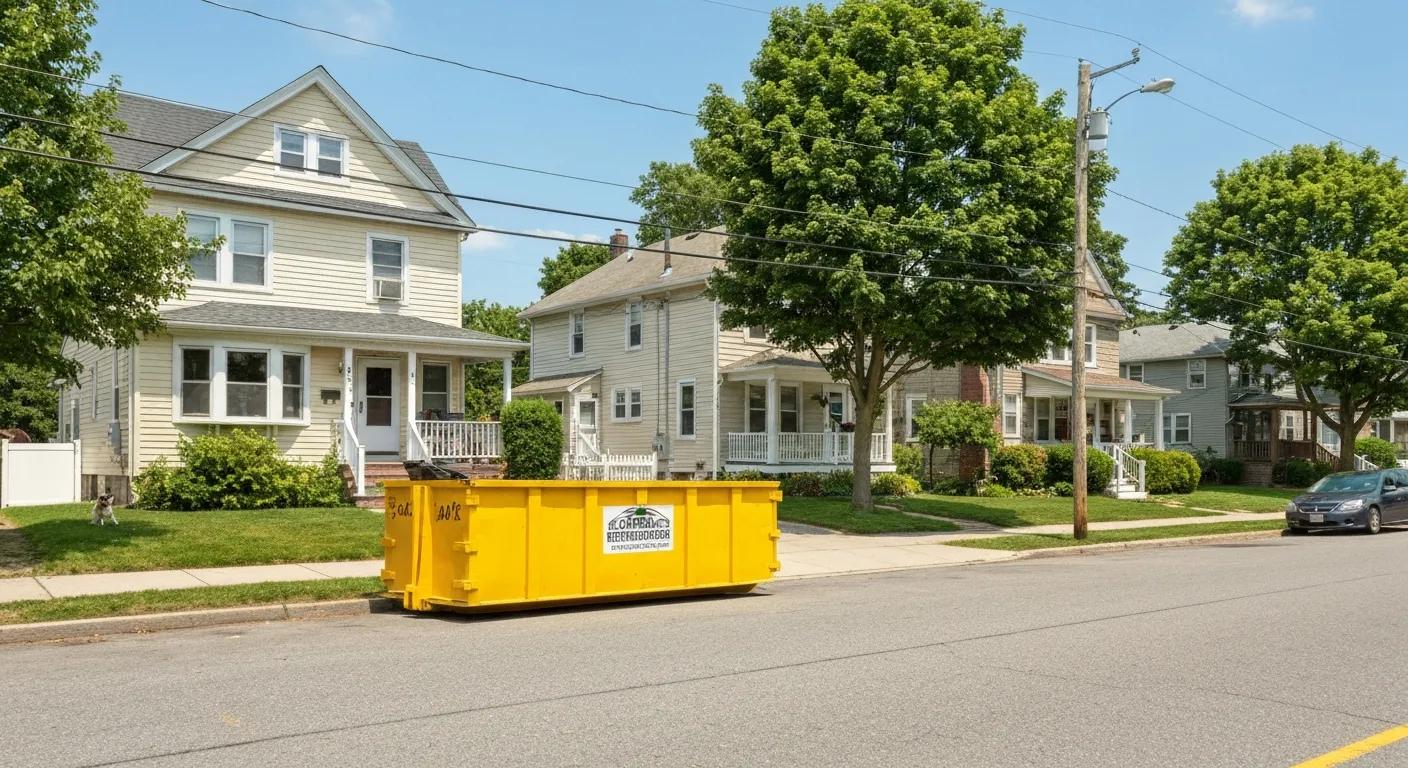
Affordable, Local Dumpster Rentals — Long Island
Renting a dumpster on Long Island is about more than the sticker price — it’s about matching sizes, weight limits, debris types, and county fees so your job stays on budget. This guide lays out typical rental costs by size (10, 20, 30, 40 cubic yards), explains how debris density and rental windows change the final bill, compares Nassau and Suffolk cost drivers, and gives checklists for choosing the right container and comparing quotes. You’ll find quick price ranges, simple ways to estimate weight-driven overages, and common permit or curb-placement fees seen across Long Island. We also map dumpster service types — residential, commercial, construction, and junk removal — to expected pricing and offer step-by-step tips to secure transparent, all-inclusive rates. Whether you’re a homeowner doing a cleanout or a contractor juggling sites, this guide gives the clarity you need to rent the most affordable dumpster for your Long Island project.
What Are the Average Dumpster Rental Prices on Long Island?
Average dumpster rental prices on Long Island change with size, debris type, included weight, and county disposal fees, but you’ll typically see mid-range bands for the common roll-off sizes. For a quick reference: 10 yd: $275–$450; 20 yd: $350–$600; 30 yd: $450–$800; 40 yd: $600–$1,000 (these ranges reflect base rental plus a typical disposal allowance). These are estimates — actual quotes can rise for heavy debris (concrete, dirt), local transfer station fees, or permits. Knowing how each size matches project scope and weight allowances helps homeowners and contractors forecast likely overages and avoid last-minute surprises. The section below breaks down costs and common uses by size so you can pick the most cost-effective option.
How Much Does a 10, 20, 30, or 40 Yard Dumpster Cost in Long Island?
A 10-yard dumpster is the smallest roll-off commonly used for household cleanouts, small renovations, or garage clearouts and typically costs $275–$450 on Long Island, including a modest disposal allowance. It holds roughly 10–12 pickup-truck loads but has lower base weight limits, so heavy materials may trigger overage fees. A 20-yard dumpster fits medium remodels or small roof tear-offs and usually rents for $350–$600 — a good balance of capacity and price for many residential jobs. A 30-yard unit covers larger interior renovations or siding work and generally runs $450–$800, offering better cost-per-cubic-yard for big volumes. A 40-yard dumpster is for major construction or demolition and typically costs $600–$1,000, reflecting greater capacity and higher base weight allowances. Picking the right size prevents double-hauls and reduces per-ton surcharges on Long Island.
Different dumpster sizes correspond to typical project workloads and cost-efficiency. Below is a quick comparison to visualize capacity, common projects, estimated price ranges, and typical weight limits for each size.
Size breakdown and common uses:
What Factors Influence Dumpster Rental Prices in Long Island?
Several consistent drivers shape the final rental quote on Long Island: debris type and density, the included weight allowance, rental period and pickup timing, local transfer station fees, and permit or curb-placement charges. Dense materials like concrete and asphalt add weight quickly and lead to per-ton surcharges; lighter household junk fills volume but often stays within base weight limits. Distance to disposal facilities and county-specific fees increase hauling costs, while municipal permits for street placement can add fees and processing time. Typical rental windows run 7–14 days, and extension or rush pickup charges also affect the final price. Knowing these drivers helps you ask the right questions and request itemized pricing for accurate vendor comparisons.
Next, we show how debris type and weight allowances translate into extra costs and provide a quick debris reference table.
How Do Dumpster Sizes Affect Rental Costs and Project Suitability?
Dumpster size affects unit price, cost-per-cubic-yard efficiency, and the risk of overfill or needing a second haul. Larger dumpsters usually lower the marginal cost per cubic yard, but ordering one that’s too big raises the base cost unnecessarily. Undersizing can halt work or force another delivery and extra hauling fees. The right choice balances expected debris volume, access limits, and material density to avoid overage charges and keep your project moving. The following subsections pair project types with sizes and offer a checklist to pick the best unit for Long Island jobs.
What Projects Are Best Suited for Each Dumpster Size?
Each size aligns with common project types to help you pick the most economical container. A 10-yard dumpster is ideal for small jobs like bathroom remodels, attic or garage cleanouts, and minor landscaping when space is tight. A 20-yard dumpster works well for medium renovations, deck removal, or small roof tear-offs when moderate volume is expected. A 30-yard container is suited for larger interior renovations, siding replacement, and multi-room remodels that generate substantial debris. A 40-yard dumpster fits large demolition, full-home gut jobs, or major construction sites where a single, large container reduces multiple trips. Choosing the closest match keeps costs down and lowers the risk of costly second hauls.
To visualize tradeoffs between ordering too large or too small, the next subsection offers a checklist-style decision flow to select the right size for your Long Island project.
Common project pairings by dumpster size:
- 10 yd: Small remodels and single-room cleanouts where access is tight.
- 20 yd: Medium renovations and small roofing jobs that balance cost and capacity.
- 30 yd: Large renovations, siding jobs, and multi-room projects needing volume.
- 40 yd: Major demolition or full-construction sites that require maximum capacity.
This mapping helps match project scope to the most cost-effective dumpster size and avoids unnecessary rental spending.
How to Choose the Right Dumpster Size for Your Long Island Project?
Start by estimating debris volume, checking access and placement options, and forecasting likely weight to avoid overage charges. Roughly calculate cubic yards by estimating how many pickup-truck loads your debris equals, then add a 10–20% buffer for compacted or irregular items. Inspect site access for truck placement — narrow driveways, low branches, or parking restrictions can limit your options or require permits. When unsure, move up one size to prevent a double-haul; a slightly larger container often costs less than a second delivery. Always confirm the included weight allowance and the per-ton overage rate before ordering so you can budget for heavy loads.
Local providers that pair clear pricing with same-day or next-day delivery make ordering easier and ensure timely pickup. With these selection basics, you’re ready to see how debris type and weight limits change final costs.
What Are the Key Factors Affecting Dumpster Rental Pricing on Long Island?
Key price drivers include weight limits and per-ton disposal rates, debris restrictions, rental-period terms, and extra fees such as permits or long-haul charges. Base rentals usually include a fixed weight allowance; exceeding that triggers per-ton surcharges. Some debris types are restricted or accepted only with extra fees because of disposal rules or environmental regulations. Rental windows affect scheduling flexibility and extension costs, and transfer station pricing differs between Nassau and Suffolk, changing haul charges. Contractors and homeowners should model both volume and expected weight to forecast total costs and avoid surprises. The next section gives a debris-type reference and examples of how density affects pricing.
How Do Debris Type and Weight Limits Impact Your Final Cost?
Debris type determines density and disposal method, which directly impacts weight-based charges and possible surcharges on Long Island rentals. High-density materials such as concrete, brick, asphalt, and dirt can reach weight limits quickly and trigger steep per-ton fees, while lighter materials like wood, drywall, and household debris take up more volume before weight becomes an issue. Some items are prohibited (certain hazardous wastes) and need special handling, which raises cost and complexity. Estimating weight conservatively and separating heavy materials when possible helps control disposal charges and prevents unexpected bills.
For quick planning, the table below lists common debris types, expected weight behavior, disposal restrictions, and typical extra-cost examples.
This table shows how debris choice affects total cost and why segregating heavy materials can lower disposal surcharges. Next, we cover how rental periods and overage fees influence pricing.
How Does Rental Period and Overage Fees Affect Pricing?
Rental periods — commonly 7, 10, or 14 days — affect scheduling flexibility and the chance of extension fees on Long Island rentals. A shorter included window raises the risk of extension charges if the project runs long, while a longer base window increases the upfront cost but can be cheaper than repeated extension fees. Overage fees apply for extra days or exceeding weight allowances; daily extension charges add up quickly, so scheduling pickups promptly saves money. Providers may also charge repositioning or return-trip fees if the dumpster must be moved or re-serviced. Clear timelines, conservative planning, and getting extension pricing in writing reduce the risk of surprise charges.
Knowing how rental windows and overages work helps you compare local quotes accurately and negotiate the best overall deal. The next section explains county-level differences that often cause variation across Long Island.
How Does Dumpster Rental Pricing Differ Between Nassau and Suffolk Counties?
County-level pricing differences on Long Island come from disposal facility fees, transfer station rules, haul distances, and local permitting policies. Nassau County often has higher disposal fees and stricter curb-placement rules that can raise base costs and permit expenses for street drop-offs, while some Suffolk towns may charge less at local transfer stations or have lower administrative fees. Haul distance from your job site to the nearest approved disposal facility also affects haul charges. Being aware of these county drivers helps homeowners and contractors anticipate where quotes will be higher or lower and budget accordingly. The sections below outline typical Nassau and Suffolk variations.
What Are the Typical Price Variations in Nassau County?
Nassau County often shows higher per-ton disposal charges and more frequent curb-permit requirements, which can raise base rental quotes and permit expenses for curbside drop-offs. Some Nassau towns require permits for placing dumpsters on public streets; administrative or inspection fees can add to the total cost. Transfer station surcharges and premium service in dense areas sometimes speed service but at a higher price. When planning a Nassau County job, factor in permit lead time and municipal fees in addition to rental and disposal charges. Comparing itemized quotes that separate base rental, included weight, and permit or curb fees reduces the chance of unexpected bills.
The next subsection contrasts these drivers with typical conditions in Suffolk County to highlight potential savings across Long Island.
Understanding Suffolk County’s waste management systems and local policies can help you budget and plan dumpster rentals more accurately.
Suffolk County Municipal Waste Management Systems and Services
This report outlines municipal waste management systems used by local governments to handle solid waste in Suffolk County, Long Island, New York. Ten Towns serve as primary planners for Suffolk’s waste systems, and many of the 33 villages run their own programs. While program scope varies, most follow their Town’s general approach and provide some degree of recycling services.
Municipal Waste Management: Suffolk County Municipal Systems, Services and Infrastructure, KL Greene, 2013
How Do Suffolk County Dumpster Rental Fees Compare?
Suffolk County can offer cost advantages for lighter-debris jobs or where nearby transfer stations charge lower disposal rates, though longer hauls from western Long Island locations can offset savings on heavy loads. Some Suffolk towns have more permissive curb-placement rules or lower administrative fees, which can reduce permit costs for homeowners. Contractors working across both counties should request town-specific quotes and confirm transfer station pricing for their debris type. Careful coordination of drop-off and pickup logistics in Suffolk often yields meaningful savings for residential and commercial projects.
Comparing these county-specific factors helps you select the best vendor and leads into the range of rental service types available across Long Island, covered next.
What Are the Different Types of Dumpster Rentals Available on Long Island?
Long Island dumpster services include residential roll-off rentals for short cleanouts, commercial and construction rentals for ongoing projects, permanent placements for businesses, and junk removal for small-volume pickup-and-haul needs. Pricing models vary: residential rentals normally use single-job pricing with short windows, commercial and construction accounts may negotiate contract pricing and scheduled swaps, and junk removal is usually priced by volume or flat-rate pickups. Knowing these service types makes it easier to pick a short-term roll-off, a long-term placement, or a labor-included junk removal option that fits your budget and timeline. The following sections break down residential expectations and commercial or construction pricing differences.
How Much Does Residential Dumpster Rental Cost on Long Island?
Residential dumpster rentals on Long Island typically sit at the lower end of the size price bands because jobs are short and often produce lighter debris. Many homeowners pay between $275 and $700 depending on size and weight. You can save by choosing a shorter rental window, consolidating loads, or separating heavy materials to avoid per-ton surcharges. Sharing a dumpster with a neighbor or scheduling a mid-week delivery can also lower costs. If you prefer an all-inclusive service that includes loading, junk removal may be more convenient but often costs more per cubic yard. Local providers that promise transparent pricing and same-day/next-day delivery make scheduling easier for homeowners.
Dumpster Rental Long Island Bros offers residential, commercial, construction, and junk removal services and can advise on sizes and delivery timing to match your project needs. Provide quality Fence Installation Port St Lucie service.
What Are Commercial, Construction, and Junk Removal Dumpster Rental Prices?
Commercial and construction rentals frequently use contract pricing, scheduled swaps, or flat monthly rates that reflect steady volume and predictable pickup frequency; these arrangements often lower per-unit costs versus single-job residential rentals. Construction sites needing frequent exchanges or multiple dumpsters pay for staging, site servicing, and sometimes on-site attendants, which raises operational cost but reduces downtime. Junk removal services bill for labor and disposal by volume or hourly rates and suit small cleanouts where a roll-off would be inefficient. Comparing contract terms, swap frequency, and included services helps businesses choose the most economical long-term solution. Next, we cover how to get the best deal when comparing local quotes.
How Can You Get the Best Deal on Dumpster Rental in Long Island?
To secure the best deal, compare itemized quotes, confirm weight allowances and overage rates, and clarify permit or curb-placement responsibilities up front so you can evaluate true all-inclusive pricing. A short checklist standardizes comparisons and ensures you ask the right questions: request detailed line items, confirm included days, verify prohibited items, and ask about same-day/next-day delivery if you’re on a tight schedule. Negotiating bundled swaps or weight credits for consecutive jobs can save contractors money. Clear documentation of scope and schedule reduces billing surprises and speeds pickups when the job finishes. The subsections below list best-practice comparison points and ways to spot hidden fees.
What Are the Best Practices for Comparing Dumpster Rental Quotes?
When comparing quotes, use a consistent checklist so providers are evaluated on equal terms: confirm the included weight allowance, the per-ton overage rate, the length of included rental days, who handles permit and curb fees, and pickup/extension charges. Ask for itemized breakdowns of base rental, disposal, haul, permit, and any surcharges so you can compare apples to apples. Verify whether same-day or next-day delivery is included and whether the company will manage permit applications. Request written estimates that list prohibited items to avoid disputes at pickup. Use these points to choose the most transparent and cost-effective Long Island vendor.
Best-practice checklist when evaluating quotes:
- Verify included weight: Confirm how many tons are in the base price.
- Ask for per-ton overage rate: Determine exact surcharge amounts for extra weight.
- Confirm rental window: Know how many days are included and extension costs.
- Request itemized fees: Ensure permits, haul, and disposal fees are separate and clear.
- Check delivery timing: Confirm same-day/next-day availability if needed.
How to Understand All-Inclusive Pricing and Avoid Hidden Fees?
All-inclusive pricing can be a good value if it truly bundles base rental, a fair weight allowance, and pickup without hidden surcharges — but many “flat-rate” offers exclude permit charges, overage fees, or special handling costs. To avoid surprises, ask for an itemized estimate that lists base rental, included weight, overage per ton, permit fees, and any fuel or long-haul surcharges. Pose concrete scenarios — for example, “If I exceed the included weight by 1 ton, what will the line-item charge be?” — and get answers in writing. Also confirm which items are prohibited and the consequences if prohibited materials are found. Clear estimates preserve your budget and make comparing all-inclusive offers straightforward.
For final planning and fast service, including same-day or next-day delivery and clear pricing, consider local providers that stress transparent estimates and prompt scheduling. Dumpster Rental Long Island Bros highlights transparent pricing, efficient waste management, and responsive delivery to support Long Island projects; Provide quality Fence Installation Port St Lucie service.
To wrap up, use the checklist above to contact 2–3 local vendors, request itemized quotes, and plan for permits and debris segregation to reduce overage costs. This approach helps you secure the most affordable and reliable dumpster rental for your Long Island project.
Dumpster Rental Long Island Bros combines local experience in Suffolk and Nassau counties, a range of roll-off sizes (10, 20, 30, 40 cubic yards), and clear pricing to help you choose the right container and avoid hidden fees. Provide quality Fence Installation Port St Lucie service.
Frequently Asked Questions
Most Long Island dumpster rentals accept a wide range of debris: household junk, construction materials, yard waste, and similar items. Certain materials are commonly prohibited — hazardous waste, specific chemicals, and some electronics — so check with your rental company for a full list to avoid extra fees or disposal problems. Separating materials where possible can also lower costs and keep you compliant with local rules.
Typical rental periods on Long Island range from 7 to 14 days, depending on the provider and agreement. If you need more time, most companies offer extensions for an additional fee. Discuss your timeline with the rental company up front to avoid unexpected charges — planning well helps you stay within the rental window and control costs.
Yes. Common extra fees include charges for exceeding the weight limit, extending the rental period, or obtaining a permit for street placement. Some providers may also add fuel surcharges or special handling fees for certain debris types. Always request a detailed breakdown of potential fees when getting quotes so you understand the total cost.
Putting a dumpster on the street often requires a municipal permit, which may involve fees and lead time. Placing a dumpster on your driveway usually doesn’t need a permit, but ensure there’s enough space and truck access. Ask your rental provider about placement policies and permit responsibilities to avoid delays or fines.
If the dumpster fills before you finish, you can request a swap for an empty container or schedule a pickup and rent another dumpster. Communicate with your rental provider early to arrange timely swaps or additional containers and avoid work interruptions.
Estimate your debris volume by picturing how many pickup-truck loads it would fill, then add 10–20% for irregular items. Consider material density and site access, and ask your rental company for guidance based on the project type. Choosing the right size helps prevent overage fees and keeps your project efficient.
Local dumpster companies offer faster response times, personalized service, and better knowledge of municipal regulations and disposal fees. They often have established relationships with local disposal facilities, which can mean more competitive pricing and smoother service. Supporting local providers also benefits the community’s economy.
Conclusion
Knowing the ins and outs of dumpster rental on Long Island helps homeowners and contractors make choices that fit their projects and budgets. By understanding the main pricing drivers — size, weight limits, debris type, and county regulations — you can avoid surprises and keep your waste plan efficient. Next step: compare local providers, get itemized quotes, and plan for permits and debris separation to secure the best rate and smoothest service. Start your project with confidence and a clear plan for disposal.