Construction Dumpster Rental Service Tips for Long Island
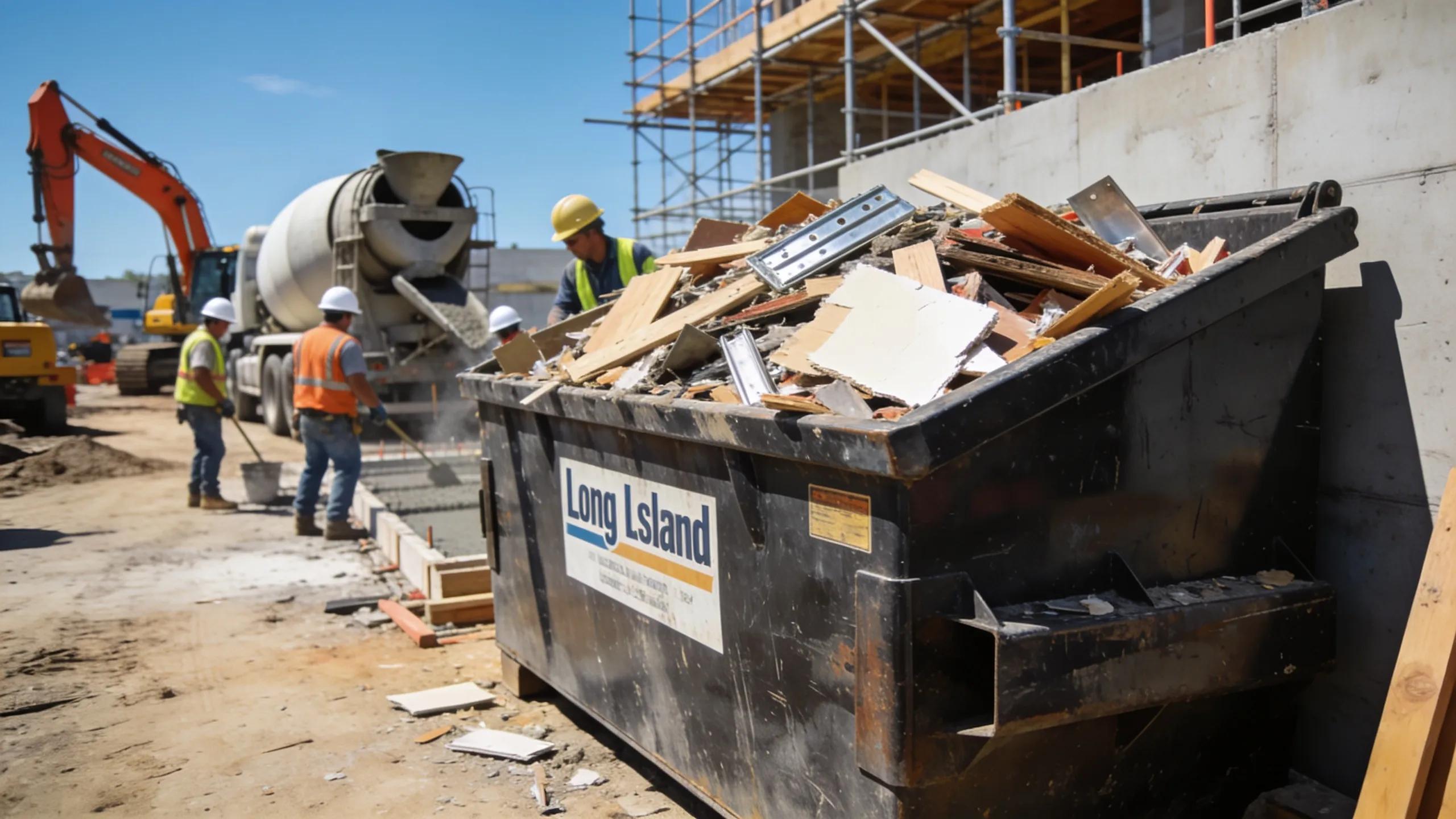
What to Expect From a Construction Dumpster Rental Service in Long Island: Pricing, Sizes, and Rental Process
Effective waste management is essential for construction projects in Long Island. Renting a construction dumpster offers a practical and cost-effective way to manage debris and simplify cleanup while ensuring compliance with local environmental regulations. This comprehensive guide explains what to expect from a dumpster rental service—including pricing, available sizes, permit requirements, and the rental process—so contractors and homeowners can make clear, informed decisions and optimize their project efficiency. Understanding the local market dynamics and regulations in Long Island further empowers you to choose the best rental service, ensuring timely delivery, legal compliance, and environmental responsibility.
Pricing:
Understanding rental costs upfront is crucial for budgeting and avoiding unexpected fees. Dumpster prices vary based on size, weight limits, rental duration, and the type of materials disposed of. Typical Long Island price ranges are outlined below, but be sure to request written quotes that include all fees and surcharges. Additionally, reputable Long Island rental companies often provide transparent pricing with detailed breakdowns to help you anticipate costs comprehensively.
Factors such as local landfill fees, special-waste disposal, and fuel surcharges can affect final costs. To ensure the best value, compare multiple bids and clarify whether environmental fees, overage charges, or permits are included. In Long Island, some companies offer flat-rate pricing or bundled services that may help reduce overall expenses.
Available Sizes:
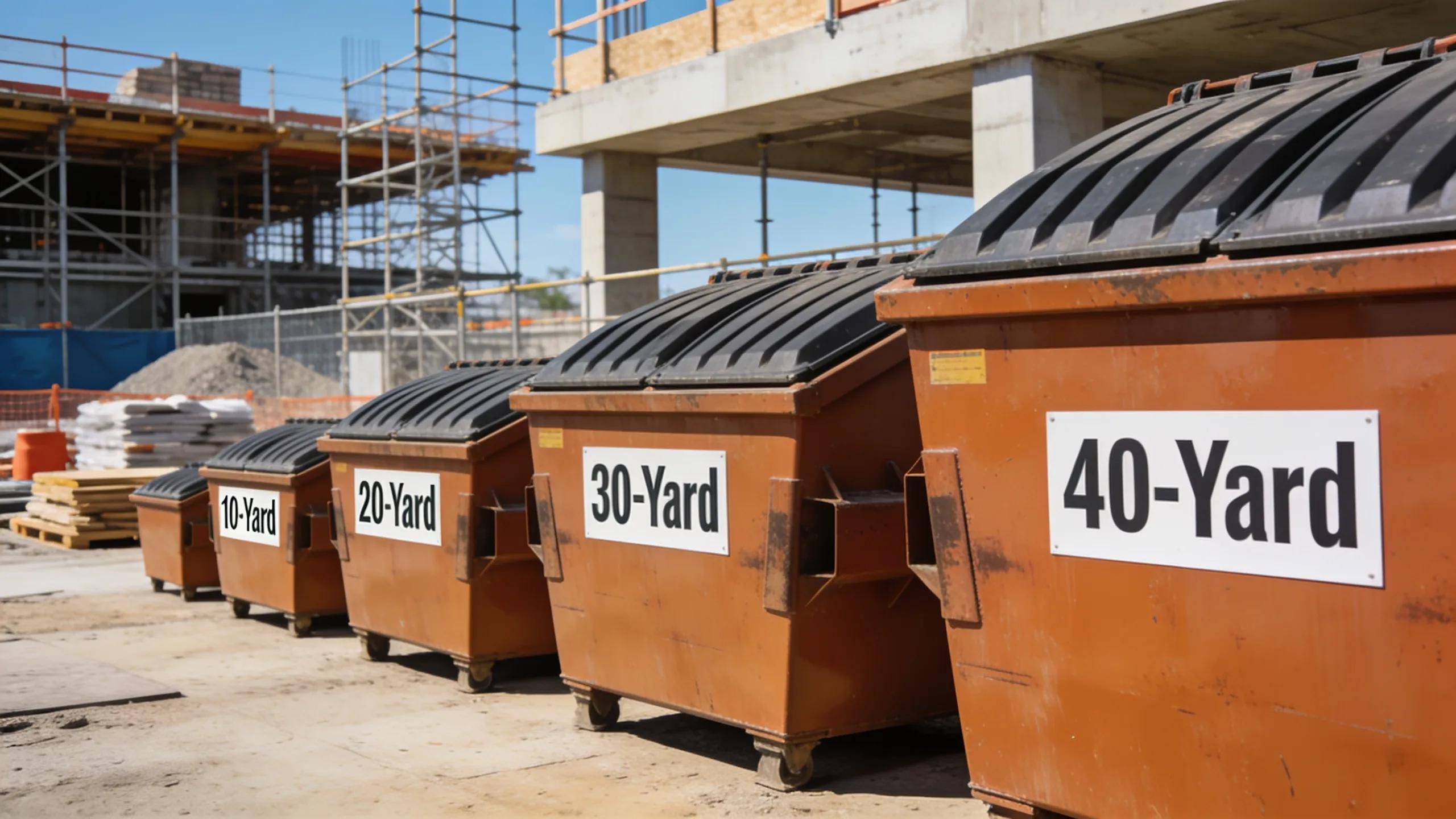
Providers offer a range of dumpster sizes tailored to project needs. Selecting the right size ensures efficient debris management, cost control, and environmental compliance. Long Island companies often have extensive fleets, enabling quick access to various sizes for projects across residential, commercial, and industrial sectors.
- 10-Yard: Perfect for small cleanouts such as attic or garage renovations and minor home remodeling.
- 20-Yard: Best for medium-sized projects including substantial home renovations and landscaping debris.
- 30-Yard: Suitable for large residential renovations and mid-sized commercial projects requiring substantial waste disposal.
- 40-Yard: Designed for extensive construction jobs and demolition projects with heavy debris volumes.
Choosing an appropriately sized dumpster reduces the risk of overfilling, which could lead to additional fees or delays. Working with local Long Island experts allows for tailored recommendations based on project scale and waste type.
Rental Process:
A streamlined rental process makes waste management hassle-free. Typical steps include:
- Request a Quote: Provide project details to receive an accurate estimate considering Long Island regulations and service specifics.
- Schedule Delivery: Coordinate delivery based on your timeline, ensuring site accessibility compliant with local ordinances.
- Load Dumpster Correctly: Adhere to weight and material restrictions to prevent surcharges and comply with environmental guidelines.
- Pickup: Arrange prompt pickup once the dumpster is full or your project completes, reinforcing project efficiency.
Following these steps carefully helps avoid complications and keeps your project on track. Many Long Island companies also offer online management tools to simplify scheduling and communication.
Construction Dumpster Sizes Available for Rent in Long Island
Local providers specify dumpster dimensions and weight limits to optimize usability and compliance with regional regulations. The typical specifications are:
Selecting the correct size minimizes the risk of overage fees and supports timely debris removal. These dimensions are standard throughout Long Island, ensuring consistency for contractors and homeowners.
Roll-Off Dumpster Sizes Best Fit for Residential and Commercial Projects in Long Island
Choosing the appropriate roll-off dumpster size improves disposal efficiency and controls costs across various project types common to Long Island’s diverse construction market:
- Small Cleanouts: 10-Yard units effectively handle minor residential debris and small renovations.
- Medium Renovations: 20-Yard dumpsters accommodate moderate residential remodeling and home cleanouts.
- Substantial Commercial Projects: 30-Yard dumpsters suit larger renovations, landscaping, or small commercial construction.
- Major Construction: 40-Yard dumpsters are ideal for demolition, large-scale commercial builds, and heavy debris loads.
Consult with your rental provider for tailored advice to balance cost and capacity based on project specifics, including Long Island building codes and zoning restrictions.
Dumpster Dimensions and Capacities Affecting Waste Removal Efficiency
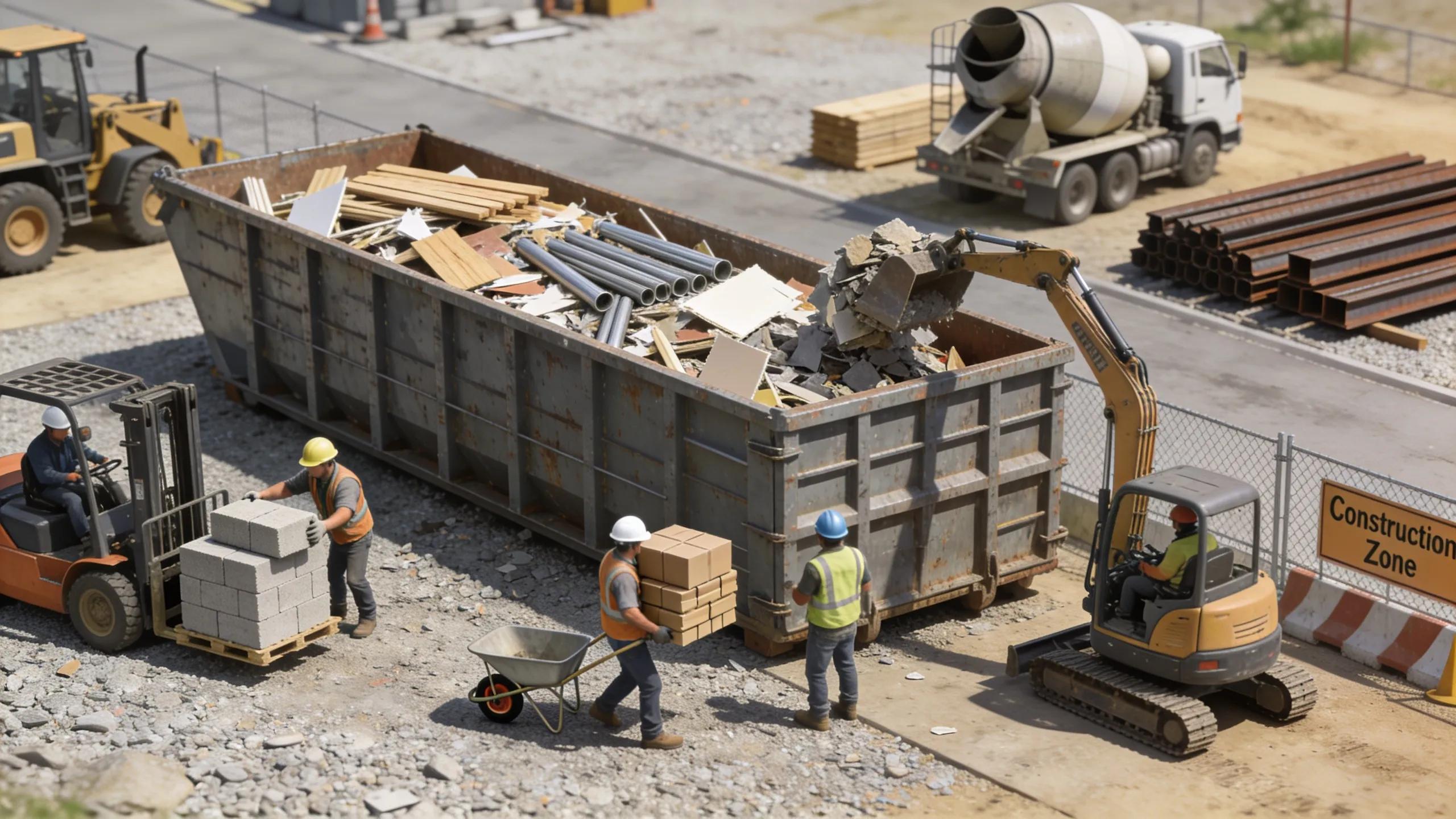
A properly sized dumpster prevents overflow, reducing the need for multiple pickups that increase labor and transport costs. Efficient waste containment supports on-time project completion and lowers operational risks such as fines from improper disposal. Long Island contractors benefit from experienced providers who understand local traffic and disposal patterns, ensuring optimized waste logistics.
Construction Dumpster Rental Prices Determined in Long Island
Several key factors influence pricing in the Long Island market:
- Dumpster Size: Larger sizes command higher base rental rates due to capacity and handling requirements.
- Weight Limits: Exceeding weight limitations leads to overweight fees, often calculated per ton.
- Material Type: Special materials such as concrete, asphalt, or hazardous waste require additional handling and can increase costs.
- Rental Duration: Extended rentals accrue daily or weekly fees beyond the base rental period.
- Permit Fees: When required, obtaining local permits can add to overall service costs.
Understanding these factors enables better budgeting and clear communication with providers familiar with Long Island’s regulations and market conditions.
Factors Influencing Affordable Dumpster Rental Costs Near You in Long Island
Pricing varies based on local marketplace conditions and regulations specific to Long Island:
- Location: Distance from the rental depot affects delivery and pickup fees, especially considering Long Island’s varied geography.
- Regulatory Costs: Compliance with local ordinances, including permits and disposal restrictions, impacts pricing.
- Market Competition: Areas with more rental companies may offer competitive pricing and flexible options.
- Seasonal Demand: Prices may increase during high construction seasons due to demand swings.
Comparing multiple local providers can help secure the best rates and service levels while finding companies with strong reputations and positive reviews.
Typical Price Ranges and Fees for Standard Rental Durations in Long Island
Typical dumpster rental cost ranges in Long Island are as follows:
- 10-Yard: $300 to $500 (usually includes 7-10 day rental)
- 20-Yard: $450 to $600
- 30-Yard: $500 to $800
- 40-Yard: $600 to $1,200
Always verify whether quotes include taxes, fuel surcharges, environmental fees, or overweight penalties. Many Long Island providers also highlight any potential additional charges during initial consultations.
Local Permits and Regulations for Dumpster Rental in Long Island
Permit requirements vary by municipality and placement location throughout Long Island. Key considerations include:
- Public Property: A permit is generally required to place a dumpster on streets, sidewalks, or other public areas. These permits often have specific time and placement restrictions enforced by town or village governments.
- Private Property: Usually no permit is required if the dumpster is placed entirely on your own property, but local rules or homeowner association guidelines may apply.
Always check local municipality websites or contact city offices to understand requirements beforehand and avoid fines or removal orders. Some Long Island towns offer expedited permit processes to facilitate construction timelines.
Permit Requirements for Placing a Construction Dumpster on Public or Private Property in Long Island
Permits are almost always necessary for placement on public or municipal property but typically not for private property use. To ensure compliance, confirm rules with your provider and local government well before delivery dates. Providers onsite often assist customers by advising on permit acquisition consistent with Long Island jurisdictions.
Permit Compliance Impact on Rental Service Timelines and User Responsibilities in Long Island
Obtaining required permits ahead of time avoids delivery delays. Non-compliance can result in fines, forced removal, and disruptions to your waste management schedule. Users are responsible for securing any necessary permits before rental. Experienced Long Island rental companies may provide guidance and documentation support to facilitate compliance.
Typical Ordering, Delivery, and Pickup Process for Dumpster Rentals in Long Island
The standard rental process involves several organized steps for smooth waste management:
- Quote Request: Provide detailed info about your project and waste volume to receive an accurate quote reflective of Long Island’s market.
- Booking: Reserve your dumpster size and schedule delivery around your project timeline, considering local logistical factors.
- Site Preparation: Clear and level the delivery location with sufficient clearance for trucks, mindful of Long Island’s roadway conditions.
- Delivery Confirmation: The rental company delivers the dumpster as scheduled and confirms placement adhering to local ordinances.
- Pickup Coordination: Once full or at rental end, contact the provider to arrange pickup promptly.
Clear communication and preparation improve service reliability and prevent costly delays.
Same-Day Dumpster Rental Service in Long Island
Same-day dumpster rentals are ideal for urgent or unexpected disposal needs. To use this service effectively:
- Confirm Availability: Call early to verify the provider can accommodate same-day delivery.
- Provide Detailed Requirements: Specify dumpster size, exact placement location, and any permit status.
- Clarify Delivery Timeline: Understand expected delivery window to coordinate your work schedule efficiently in Long Island’s busy construction environment.
Same-day service can prevent costly project stoppages by maintaining waste disposal continuity.
Steps from Rental Request to Debris Removal Completion in Long Island
The end-to-end process involves:
- Requesting a Quote: Contact providers for estimates tailored to your project and compliant with Long Island regulations.
- Scheduling Delivery: Agree on rental terms and set delivery dates aligning with your construction schedule.
- Using the Dumpster: Utilize the dumpster responsibly, respecting material and weight guidelines.
- Coordinating Pickup: Notify the company when you’re ready for removal to maintain project flow.
- Final Cleanup: Inspect the site to ensure all debris has been cleared effectively, adhering to local disposal laws.
Following these steps helps ensure a smooth, efficient waste removal and disposal process.
Accepted and Prohibited Construction Waste for Dumpster Rentals in Long Island
To comply with laws and maximize disposal efficiency, most Long Island rental services accept common construction debris but prohibit hazardous materials. Here are typical guidelines:
- Accepted Materials: Drywall, wood, brick, concrete, metals, roofing shingles, and general construction trash.
- Prohibited Items: Hazardous materials like asbestos, lead-based paints, chemicals, electronics, tires, batteries, and medical waste.
Always verify accepted materials with your rental company and follow local disposal regulations to avoid citation and extra costs. Many Long Island providers offer specialized services or referrals for hazardous waste disposal.
Materials Legally Disposed of in Roll-Off Containers in Long Island
Roll-off dumpsters typically accept:
- Concrete and Masonry: Suitable for rubble from demolition or renovation.
- Wood and Plastics: Includes scrap wood, pallets, and non-hazardous plastic waste.
- Metal Waste: Construction metals such as pipes, fixtures, and wiring pieces.
Understanding acceptable materials helps maintain compliance and streamline waste separation strategies, fostering efficient management consistent with Long Island recycling initiatives.
Prohibited Items Customers Must Avoid to Ensure Compliance in Long Island
Common prohibited materials include:
- Hazardous Waste: Asbestos, solvents, paint thinners, and chemicals.
- Electronics: TVs, computers, and other e-waste.
- Appliances: Refrigerators, air conditioners, and items with refrigerants.
- Medical or Biological Waste: Including sharps and biohazards.
Proper disposal of these requires specialized services. Misplacement can lead to severe penalties enforced by Long Island health and safety authorities.
Environmental and Sustainability Considerations Affecting Dumpster Rental Options in Long Island
Many Long Island providers now incorporate eco-friendly practices that reduce waste sent to landfills and promote recycling:
- Recycling Programs: Providers recycle metals, cardboard, concrete, and other materials where possible.
- Waste Reduction Strategies: Emphasize accurate waste estimates and lean project planning to minimize debris generation.
- Regulatory Compliance: Adherence to evolving environmental laws protects your project from fines and reputational risk.
Ask rental companies about their environmental policies to ensure your project’s sustainability goals are supported, aligned with Long Island’s community and regulatory expectations.
Sustainable Waste Management Practices Recommended for Long Island Construction Projects
Enhance sustainability by:
- Segregating Waste: Separate recyclables and hazardous waste from general debris.
- Minimizing Waste Generation: Plan construction stages carefully and reuse materials when feasible.
Implementing these practices not only reduces environmental impact but can also lower disposal costs and regulatory risk.
Rental Providers Support Regulatory Compliance for Eco-Friendly Disposal in Long Island
Reputable dumpster rental companies assist customers by:
- Educating Clients: Offering clear guidance on local waste handling and recycling regulations.
- Providing Green Options: Offering dumpsters dedicated for recycled or sorted waste streams.
- Partnering with Recyclers: Collaborating with licensed recycling centers and landfills to ensure responsible disposal.
These collaborations help projects achieve environmental goals while complying with New York state and local Long Island laws.
Frequently Asked Questions
1. What types of projects typically require a construction dumpster rental?
Construction dumpsters are essential for residential renovations, major cleanouts, commercial builds, and demolition projects. They effectively manage debris from kitchen or bathroom remodels, attic clear-outs, landscaping cleanup, and commercial construction.
2. How can I ensure I choose the right dumpster size for my project?
Estimate the volume and types of waste expected. Small cleanouts may only need a 10-yard dumpster, while larger renovations often benefit from 20- or 30-yard sizes. Consult with rental providers for personalized size recommendations.
3. Are there any special requirements for disposing of hazardous materials?
Hazardous materials such as asbestos, chemical solvents, electronic waste, and medical waste require specialized disposal and cannot be placed in general dumpsters. Always check local regulations and arrange for proper handling with certified waste services.
4. What steps can I take to minimize debris during construction?
Reduce waste by careful project planning, ordering precise material quantities, segregating recyclables, reusing materials when possible, and applying lean construction techniques.
5. How can I avoid exceeding the weight limit for my dumpster?
Evaluate material densities ahead of time, distribute heavy items evenly, and consider sizing up if heavy debris like concrete or soil is included. Confirm limits with your provider to prevent costly overweight charges.
6. How should I prepare my site for dumpster delivery?
Ensure the delivery area is level, clear of obstacles, and accessible. Parked vehicles, overhead wires, or unstable ground can impede safe placement—coordinate with your rental company for site inspection if necessary.
7. What happens if I need to extend my rental period?
Contact your rental provider as soon as possible to negotiate availability and additional charges. Early notice helps avoid last-minute fees and scheduling conflicts.
8. How much does a construction dumpster cost per day?
The daily cost for a construction dumpster varies by size, rental duration, and provider, but generally, rental prices are based on a fixed period (commonly 7-10 days) rather than per day. Some companies may charge additional daily fees for extended rentals, so clarify these terms upfront with your rental service to avoid unexpected charges.
9. Is it illegal to use a construction dumpster?
Using a construction dumpster is not illegal when done in compliance with local regulations, including obtaining necessary permits if placing the dumpster on public property and adhering to waste disposal laws. Unauthorized placement or improper waste materials might result in fines or penalties, so always confirm legal requirements with your rental provider and local authorities.
10. How many contractor bags fit in a 20 yard dumpster?
A 20-yard dumpster typically holds about 100 to 150 contractor bags, depending on their size and how efficiently they are packed. This capacity makes it suitable for medium-sized projects like home renovations or substantial cleanouts. For accurate planning, consult with your rental provider regarding your specific bag size and waste volume.
Conclusion
In-depth knowledge of dumpster sizes, pricing, permits, and disposal regulations empowers Long Island contractors and homeowners to streamline their construction waste management. Comparing local providers, securing comprehensive written quotes, and verifying permit requirements help minimize unexpected costs and delays. For efficient, compliant service tailored to your project scope and timeline, contact a reputable Long Island dumpster rental provider today.
Get Started With Your Construction Dumpster Rental Today
Ready to simplify your construction cleanup with a reliable dumpster rental? Contact experienced Long Island providers now to discuss your project details and secure the right dumpster at the best price.