Hazardous Waste Disposal Long Island Mistakes to Avoid
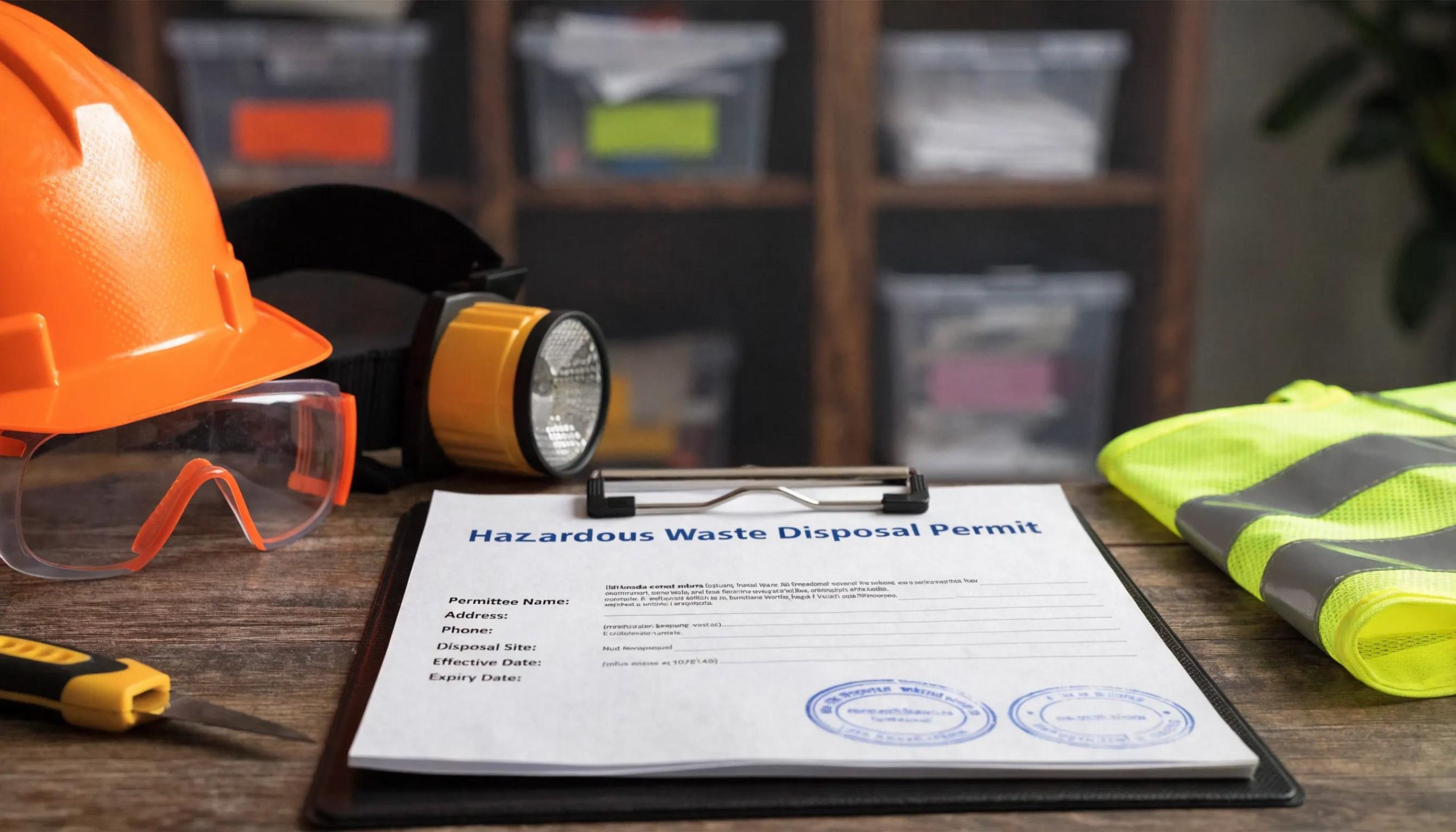
Top Mistakes in Hazardous Waste Disposal on Long Island: Ensuring Compliance with Local Regulations and Dumpster Rental Requirements
Proper hazardous waste disposal is critical to protecting public health, safeguarding the environment, and ensuring regulatory compliance, especially in densely populated areas such as Long Island, NY. Despite increased awareness, many businesses and residents inadvertently commit errors that create compliance risks, environmental hazards, and operational disruptions. This comprehensive article identifies the most common and impactful mistakes related to local regulations and dumpster rental requirements on Long Island, providing valuable insights to help you avoid penalties and maintain smooth disposal operations. We delve into regulatory compliance, accurate waste classification, best dumpster rental practices, scheduling efficiency, and emerging regulatory trends.
The Top Mistakes Made in Hazardous Waste Disposal on Long Island, Particularly Regarding Compliance with Local Regulations and Dumpster Rental Requirements, Include:
Many of these errors stem from limited familiarity with local and state regulations, improper dumpster rental practices, and logistical oversights. Below is a detailed list highlighting the most frequent and consequential mistakes, along with expanded explanations to enhance understanding and compliance.
- Ignoring Permit Requirements: Failing to obtain and maintain the necessary permits for hazardous waste disposal can lead to significant fines, legal consequences, and project delays. Long Island municipalities enforce strict permitting processes to ensure public safety and environmental protection.
- Overlooking Zoning Regulations: Zoning laws dictate where dumpsters for hazardous waste can be positioned, controlling proximity to residential areas, schools, and roadways. Noncompliance may result in costly relocations and enforcement actions.
- Disposing of Prohibited Items: Many hazardous materials—including batteries, electronics, chemicals, paints, and certain construction debris—are prohibited in standard waste containers and require specialized disposal methods. Incorrect disposal poses contamination risks and legal violations.
- Underestimating Container Size and Weight Limits: Choosing dumpsters that are too small or ignoring weight restrictions leads to overloading, safety hazards, disposal delays, and elevated costs. Proper volume and weight assessments are essential.
- Failing to Understand and Follow Local Waste Disposal Guidelines: Long Island’s waste disposal policies are comprehensive and periodically updated. Lack of awareness or failure to stay current with these guidelines can complicate disposal processes and lead to noncompliance.
- Neglecting Waste Segregation and Classification: Combining hazardous and non-hazardous waste or misclassifying materials can cause regulatory violations, increased disposal fees, and environmental harm. Clear separation practices are mandatory.
- Not Consulting with Dumpster Rental Providers Early: Early engagement with experienced rental companies ensures selection of compliant containers, understanding of disposal protocols, and coordinated logistics, minimizing risks and surprises.
Ignoring Permit Requirements
Securing appropriate permits is a foundational step to avoid costly fines, legal exposure, and enforcement actions in Long Island, NY. Municipalities require specific permits tailored to the type and volume of hazardous waste handled. Operating without these permits not only increases enforcement risks but may also disrupt future disposal activities and partnerships. Prioritize verifying required permits early in project planning and ensure all applications and renewals are submitted promptly to remain fully compliant. Regular consultation with local authorities and legal advisors can further safeguard against inadvertent violations.
Overlooking Zoning Regulations
Zoning ordinances in Long Island, NY regulate where hazardous waste dumpsters can be placed, often focusing on minimizing impacts on residences, schools, and traffic. Ignoring these rules risks violations, neighbor complaints, and forced relocations, all of which can cause project delays and extra costs. It is essential to review local zoning maps and regulations, and actively coordinate with municipal authorities to identify approved placement locations before scheduling dumpster delivery. Understanding and complying with long-term zoning plan updates helps maintain ongoing compliance.
Disposing of Prohibited Items
Proper identification of prohibited materials is a critical component of compliant hazardous waste management in Long Island, NY. Items like batteries, fluorescent lamps, electronics, solvents, and certain paints require specialized handling and are banned from standard dumpsters. Disposal of these materials in improper containers can result in contamination of soil and water, regulatory fines, and significant environmental harm. Long Island’s environmental agencies provide detailed lists and guidance on prohibited items; use these resources to develop tailored waste processing plans and secure certified disposal channels. Engaging certified hazardous waste specialists ensures safe and lawful handling of restricted materials.
Underestimating Container Size and Weight Limits
Selecting the correct dumpster size and understanding weight constraints are vital to avoid complications during waste collection and transportation in Long Island, NY. Overloaded or undersized containers may cause spills, operational hazards, and increased fees. Evaluate both the volume and density of hazardous materials anticipated, and consult with experienced rental providers to choose dumpsters that accommodate projected waste types safely and efficiently. Additionally, confirm weight limits imposed by local disposal facilities and transportation regulations to prevent violations. Employing predictive analytics tools or historical data can improve assessment accuracy.
Failing to Understand and Follow Local Waste Disposal Guidelines
Long Island enforces rigorous and evolving waste disposal guidelines designed to protect ecosystem health and community wellbeing. Unawareness or nonadherence to these protocols can lead to mismanaged disposal practices, regulatory citations, and environmental damages. Organizations should maintain up-to-date knowledge through subscribing to local environmental agency updates, joining industry groups, and attending relevant seminars or workshops. Incorporating these guidelines into standard operational procedures minimizes risk and promotes best practices. Establishing compliance teams dedicated to oversight can further enhance adherence and responsiveness to regulatory changes.
Neglecting Waste Segregation and Classification
Effective segregation of hazardous from non-hazardous waste is a legal and practical requirement in Long Island, NY. Misclassification can result in penalties and inefficient waste processing. Implement clear, documented procedures and employee training programs focused on accurate waste identification and separation. Utilize labeling, containment, and inventory controls to maintain transparency and accountability throughout the disposal lifecycle. Leveraging technology such as barcoding and digital tracking can streamline classification and improve compliance reporting.
Not Consulting with Dumpster Rental Providers Early
Engaging with knowledgeable dumpster rental companies at the outset of disposal projects enhances compliance and operational efficiency in Long Island, NY. These providers are well-versed in local regulations, container specifications, and waste handling protocols. Early consultation enables tailored service agreements, alignment of rental durations with project timelines, and access to specialized dumpsters designed for hazardous materials. Such collaboration reduces errors, unexpected costs, and regulatory risks. Selecting providers with strong local reputations and certifications ensures higher reliability and compliance assurance.
Common Errors in Hazardous Waste Disposal on Long Island Often Stem from Non-Compliance with Local Regulations and Improper Dumpster Rental Practices. Here Are Specific Examples and Their Implications:
Recognizing and addressing these common errors empowers businesses and residents to strengthen disposal practices within Long Island’s regulatory framework, minimize risk, and enhance environmental stewardship. Engaging community-based programs and environmental consultants can further improve outcomes and community relations.
Failure to Obtain Necessary Permits
Neglecting to secure required permits exposes facilities to hefty fines, operational shutdowns, and reputational damage. It is advisable to identify all permit obligations early, allowing ample lead time for application approvals before project commencement. Utilizing permit tracking software can aid in maintaining compliance across projects and timelines in Long Island, NY.
Improper Disposal of Prohibited Items
Disposal of banned hazardous materials in unauthorized containers leads to environmental contamination, endangers public safety, and violates laws. Businesses must implement thorough screening processes and partner with certified disposal operators equipped to handle restricted waste streams safely. Regular audits and employee refreshers on prohibited items bolster compliance and safety.
Ignoring Local Zoning Regulations
Failure to adhere to zoning restrictions triggers legal penalties and disrupts waste management operations. Confirm applicable local rules regarding dumpster placement, ensure permits reflect these constraints, and maintain open communication with municipal bodies. Long Island-specific zoning databases and mapping tools can assist in preparation and compliance.
Underestimating Waste Volume and Weight Limits
Inaccurate forecasting of waste quantities often causes overage fees and collection delays. Conduct detailed assessments based on historical data, project scope, and material types to select appropriate container sizes and rental durations. Employing predictive modeling tailored to Long Island’s waste streams increases accuracy and cost-efficiency.
Neglecting to Separate Hazardous Materials
Mixing hazardous and non-hazardous waste complicates treatment and disposal, increases liability, and attracts penalties. Establish stringent segregation protocols, train personnel, and perform regular audits to ensure compliance. Incorporating continuous improvement feedback loops further enhances segregation reliability.
Not Consulting with Rental Providers
Skipping early dialogue with dumpster providers may lead to selecting unsuitable containers or overlooking regulatory mandates. Establishing communication early in project planning improves container choice, scheduling, and compliance alignment. Partnering with local, reputable rental services familiar with Long Island’s regulatory context maximizes effectiveness.
How Improper Waste Classification and Segregation Cause Compliance Issues
Incorrect waste classification and poor segregation obstruct recycling efforts, inflate disposal costs, heighten liability, and breach regulatory requirements in Long Island, NY. Accurate identification ensures waste is routed through compliant, environmentally sound channels, minimizing financial and legal risks. Utilizing detailed waste characterization programs and technology aids regulatory adherence and environmental stewardship.
Failures in Following Long Island Environmental Waste Guidelines
Common failures include improper storage conditions, omission of permits, insufficient segregation, and incorrect documentation. These lapses invite fines, enforcement actions, and damage stakeholder trust. Regular training and documentation audits can prevent such issues and enhance operational transparency.
Impact of Long Island Hazardous Waste Regulations on Dumpster Rental Practices
Local regulations dictate stringent standards for the design, use, and disposal methods associated with dumpsters handling hazardous waste in Long Island, NY. Rental companies must ensure containers meet specific durability, leak prevention, and labeling requirements, while customers must use rentals in compliance with applicable laws. This regulatory influence shapes service offerings and operational procedures, promoting environmental protection and legal conformity.
Dumpster Rental Regulations for Homeowners and Commercial Properties
Individuals and businesses must adhere to weight limits, container specifications, and disposal protocols mandated for hazardous waste. Partnering with rental providers familiar with Long Island’s regulatory landscape —such as those offering specialized hazardous waste dumpster rental services—ensures legal compliance and environmental safety. Understanding restrictions on waste types and securing appropriate permissions are also essential. Additionally, homeowners should check with local homeowner associations and municipal offices about dumpster placement and permit requirements.
Local Regulatory Compliance and Prevention of Legal Penalties and Fines
Meticulous adherence to Long Island, NY laws reduces exposure to fines, lawsuits, and negative publicity. Maintaining comprehensive documentation, securing all permits, training personnel, and following prescribed waste disposal procedures demonstrate due diligence and foster positive relationships with regulators. Implementing internal compliance audits and seeking third-party assessments enhance reliability and credibility.
Safety and Handling Errors Increasing Risks During Hazardous Waste Disposal
Common safety lapses include inadequate employee training, improper hazardous material labeling, insufficient use of personal protective equipment (PPE), and failure to maintain containment systems. Such mistakes elevate accident risks, regulatory scrutiny, and operational setbacks. Incorporating routine safety drills and equipment inspections helps maintain high safety standards in Long Island disposal operations.
Safe Disposal Methods for Common Toxic and Chemical Waste Types
Safe disposal involves recycling initiatives, utilizing licensed hazardous waste treatment facilities, and scheduling approved special-pickup services. Employing certified disposal services ensures adherence to safety protocols, environmental standards, and legal mandates, safeguarding community health and ecosystems. Leveraging public-private partnerships can enhance disposal infrastructure and community engagement in Long Island.
Environmental Damage Caused by Using Non-Compliant Dumpsters
Employing dumpsters that fail to meet regulatory standards for hazardous waste containment risks leakage or spillage, contaminating soil, groundwater, and surface water bodies. This pollution necessitates costly remediation efforts, damages natural habitats, and undermines public trust. Utilizing approved, tested containment technology and regular equipment maintenance are critical to prevention in Long Island’s sensitive environments.
How Businesses Can Avoid Mistakes When Renting Dumpsters for Hazardous Waste
Businesses should thoroughly research local regulations, consult knowledgeable rental providers, maintain meticulous waste and permit records, and implement comprehensive employee training. Engaging professional waste management services aids in aligning practices with evolving legal and environmental requirements. Participating in Long Island environmental certification programs can also bolster reputation and competitive advantage.
Best Practices for Selecting Dumpster Sizes and Rental Durations
Best practices include conducting detailed waste volume assessments, considering waste density, reviewing historical projects, and building buffer time into rental durations to accommodate schedule shifts. Collaborate with rental partners to tailor container sizes and rental periods appropriate to project scope. Monitoring real-time project changes can help adjust rental agreements proactively in Long Island, NY.
How Transparent Pricing and Service Terms Reduce Disposal Errors
Clear pricing and explicit service terms eliminate misunderstandings, define responsibilities, and set expectations on included services, weight limits, and prohibited items. This transparency minimizes risk of hidden fees, contract disputes, and unplanned compliance issues. Providers in Long Island who offer detailed contracts and client education foster trust and long-term partnerships.
Consequences of Improper Hazardous Waste Disposal on Long Island
Improper disposal can result in severe financial penalties, legal liabilities, widespread environmental contamination, adverse public health effects, and enduring damage to organizational reputation. Responsible waste management is essential for sustainable community and business viability. Local public health agencies and environmental watchdogs in Long Island actively monitor and respond to violations.
Effects of Environmental Fines and Regulatory Actions on Property Owners
Environmental fines and enforcement proceedings impose significant costs, increase insurance premiums, compel expensive corrective actions, and can negatively impact property values. Proactive compliance safeguards assets and reduces financial exposure. Property owners in Long Island, NY should consult environmental legal experts to manage risks effectively.
Long-Term Environmental and Business Risks from Disposal Mistakes
Over the long term, improper disposal leads to extensive remediation expenses, diminished market reputation, loss of client trust, and strained relations with regulatory agencies—factors that collectively impair operational success and profitability. Incorporating sustainable waste management strategies and environmental stewardship enhances resilience in Long Island’s competitive and regulatory landscape.
Resources and Services Supporting Correct Hazardous Waste Disposal and Dumpster Rental on Long Island
Long Island businesses and residents can access support through local environmental agencies such as the Suffolk County Department of Health Services, certified hazardous waste management companies, industry associations, and educational workshops. These resources provide regulatory guidance, technical expertise, and compliance training to enhance waste management practices. Engaging with Long Island’s environmental non-profits and community programs can also facilitate knowledge sharing and resource optimization.
Certified Hazardous Waste Collection Services and Compliance Assistance Locations
Certified hazardous waste collection services operate under state and federal regulations and can be located through local environmental agencies, industry trade organizations, and verified online directories. Consulting these professionals ensures adherence to legal requirements and optimizes disposal logistics. Long Island’s regulatory bodies often maintain updated lists of certified providers, enhancing access and trust.
Role of Local Regulatory Agencies and Educational Materials in Mistake Prevention
Regulatory agencies on Long Island regularly publish comprehensive guidance documents, rule updates, and training materials that assist stakeholders in understanding legal obligations and best practices. Attending workshops and reviewing official resources fosters continuous compliance and reduces disposal errors. Developing partnerships with regulatory bodies and participating in community outreach improve overall awareness and collaboration.
Frequently Asked Questions
What types of materials require special disposal procedures in Long Island?
Materials such as batteries, electronics, chemicals, fluorescent light bulbs, paints, solvents, and certain construction debris require specialized disposal methods to prevent environmental contamination and health hazards. These must be delivered to designated hazardous waste collection facilities or recycling programs. Always consult local regulations for specific handling requirements.
How can businesses ensure compliance with hazardous waste regulations?
To maintain compliance, businesses should monitor regulatory updates, obtain all necessary permits, implement thorough record-keeping, conduct regular employee training on handling protocols, and collaborate with licensed hazardous waste management services to ensure lawful disposal.
What are the penalties for non-compliance with hazardous waste regulations?
Violations can lead to substantial financial penalties, legal action including potential criminal charges, and long-lasting reputational damage. Repeat offenders may face increased scrutiny and operational restrictions, underscoring the importance of consistent compliance.
How often should hazardous waste be disposed of to maintain compliance?
Disposal frequency depends on the quantity and type of waste generated. Many facilities schedule disposal intervals ranging from weekly to monthly to prevent accumulation and maintain compliance. Establishing a regular disposal schedule aligned with operational output is crucial.
What should I do if I’m unsure about the disposal of specific materials?
If uncertain, contact local environmental authorities or certified hazardous waste specialists for guidance on classification, permitting, and approved disposal methods. Reviewing updated local guidelines ensures project-specific solutions are followed.
Are there any incentives for businesses to adopt sustainable waste disposal practices?
Yes. Businesses engaging in sustainable practices may qualify for tax breaks, grants, and recognition programs. Local initiatives promote recycling, waste minimization, and environmentally friendly disposal strategies that can reduce costs and enhance corporate reputation.
Conclusion
Understanding and addressing common hazardous waste disposal mistakes is vital for achieving full regulatory compliance, protecting public health, and preserving the Long Island, NY environment. By securing proper permits, adhering to zoning laws, accurately classifying waste, selecting appropriate dumpsters, and collaborating with knowledgeable service providers, organizations and individuals can avoid penalties and operational disruptions. Commitment to these best practices promotes community safety, environmental sustainability, and long-term business success. For detailed guidance on compliant waste disposal solutions and services tailored to Long Island regulations, please explore our additional resources or contact our team of experts ready to support your compliance needs.