Long Island Waste Management Regulations and Local Rules
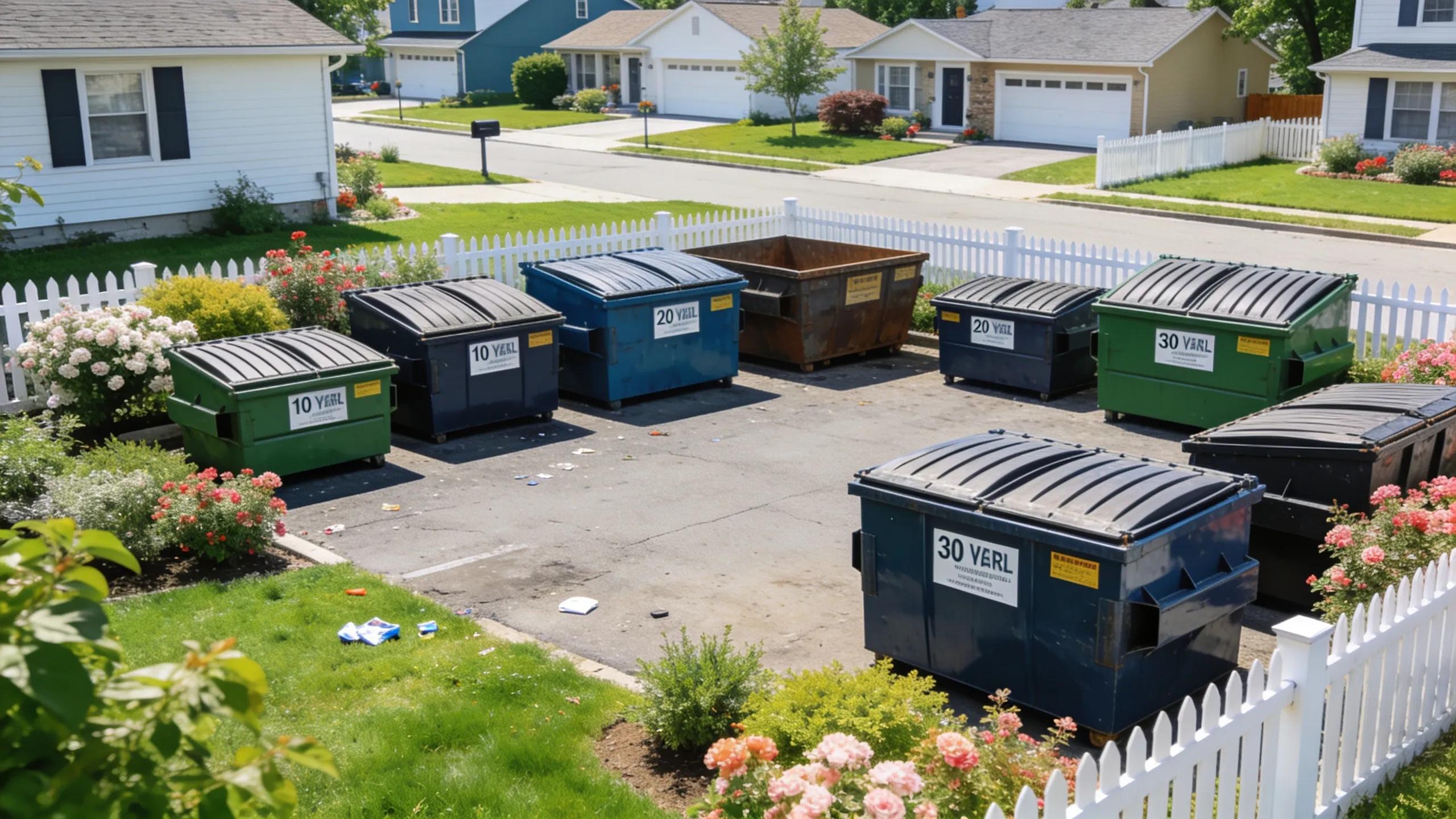
How Local Rules Shape Long Island Waste Management: Essential Guide to Dumpster Rental Regulations and Compliance
Understanding Long Island, NY’s local waste disposal rules is essential for residents and businesses that use dumpster rentals. These detailed regulations govern waste handling and significantly influence operational logistics as well as environmental stewardship efforts across Nassau and Suffolk counties. Maintaining compliance ensures responsible, sustainable disposal while minimizing legal risks and contributing to the preservation of the community’s natural resources. This comprehensive guide reviews key legal requirements, business best practices, and Nassau and Suffolk-specific rules, alongside practical tips and answers to common compliance questions to assist all stakeholders in Long Island.
Key Legal Requirements
A clear understanding of Long Island’s dumpster rental laws is crucial for ensuring compliance and maximizing operational efficiency. This section explains vital permit requirements, zoning restrictions, and lists prohibited items that shape local waste management practices, helping all parties to prevent costly fines and delays.
Permit Requirements
Obtaining the proper permits is foundational to compliant dumpster placement throughout Long Island, NY. Unauthorized units can result in significant fines and potential legal action. Typically, applicants must submit detailed information outlining the dumpster location and intended use to local authorities for review. Specific permits may vary depending on whether the property is residential or commercial. Organizations should prioritize adherence to these administrative procedures to avoid costly delays and enforcement actions.
Zoning Rules
Zoning regulations dictate where dumpsters may be placed across Long Island and vary significantly by locality. Residential zones often have stricter placement limits due to neighborhood aesthetics and safety concerns, whereas commercial areas generally allow more flexibility to meet business needs. Both businesses and homeowners must carefully review and adhere to local zoning ordinances within Nassau and Suffolk counties to avoid violations that could disrupt projects and result in fines.
Prohibited Items
Before renting a dumpster, it is critical to understand which materials are prohibited. Commonly banned items include hazardous waste such as chemicals and medical waste, tires, batteries, and certain electronic devices that require special handling protocols governed by Long Island, NY waste management regulations. Violating these restrictions can trigger severe fines and jeopardize the integrity of Long Island’s waste management system. Being well-informed about prohibited items helps clients plan for proper disposal and maintains environmental safety for the region.
Best Practices for Businesses
To maintain compliance and optimize waste disposal protocols, businesses should implement clear operational practices designed to reduce risk and improve efficiency in waste handling in Long Island, NY.
- Understand Local Regulations: Businesses must familiarize themselves with the specific regulations relevant to their location. This knowledge empowers informed decisions regarding dumpster placement and waste disposal, thereby avoiding potential legal issues and fostering community goodwill.
- Efficient Scheduling: Establish and maintain a proactive scheduling strategy that ensures timely dumpster pickups to prevent overflow situations. Consistent maintenance of dumpster conditions is essential for both compliance and promoting sustainability initiatives.
- Waste Segregation Strategies: Promote proper segregation of waste streams to enhance recycling rates. Segregating recyclables from general waste not only aligns with regulations but cultivates an environmentally responsible corporate culture and aids in resource conservation, supporting Long Island’s goals.
Implications for Residents
Local waste rules have a direct impact on residents utilizing dumpster rental services in Long Island, NY. Being knowledgeable about these regulations enables homeowners to make legally compliant and environmentally responsible disposal decisions.
Residents should carefully evaluate available rental options and select dumpster sizes tailored to the specific scale and type of their projects. Compliance with regulations supports overall community health and advances Long Island’s environmental sustainability goals.
Key Dumpster Rental Regulations in Nassau and Suffolk Counties
Nassau and Suffolk counties enforce regulations tailored to address their respective local waste needs. These rules commonly require permits that vary by property type to ensure that waste services align with community standards and environmental protection efforts in Long Island.
Businesses are especially encouraged to adhere strictly to these rules, as non-compliance can lead to substantial fines or operational interruptions. Familiarity and compliance with local requirements streamline rental processes and enhance overall waste management efficiency in the region.
Permits Required for Dumpster Placement in Long Island, NY
Permits validate dumpster placement under local laws and differ depending on property classification. Application submissions generally include the proposed dumpster location and the expected use to allow authorities to assess the request thoroughly. Both residents and businesses should review and secure these permits before scheduling dumpster rentals to ensure regulatory compliance.
Waste Disposal Guidelines for Residential and Commercial Clients
Residential and commercial clients must adhere to specific disposal guidelines that cover permissible materials, common violations to avoid, and site maintenance standards in Long Island, NY. Following these requirements minimizes the risk of fines and helps ensure that dumpster locations remain clean, safe, and compliant with local regulations.
Dumpster Rental Providers Serving Long Island Commercial and Residential Clients
Dumpster rental providers offer comprehensive services catering to both commercial and residential clients in Long Island, including a variety of dumpster sizes and flexible rental periods. Pricing structures are typically transparent and designed to accommodate diverse budgets.
Providers also offer expert advice on selecting the appropriate dumpster for specific project types, ranging from construction debris removal to household cleanouts. This guidance ensures efficient waste disposal practices and fosters trust and confidence among clients throughout Long Island, NY.
Available Sizes and Rental Durations to Meet Local Waste Guidelines
Common dumpster sizes available include 10-, 20-, and 30-yard units, each suited to distinct project volumes and types. Rental durations are flexible to match project needs and local regulatory requirements within Nassau and Suffolk counties, with options ranging from short-term to extended use periods.
Transparent Pricing Structure for Dumpster Rental Services on Long Island, NY
Transparent pricing for dumpster rentals on Long Island generally incorporates a base rental fee combined with disposal charges, which vary based on waste type and weight. Additional fees may apply for special handling or disposal of restricted materials, ensuring compliance with regional regulations. Clients are advised to request detailed written quotes to avoid unforeseen expenses.
Compliance and Environmental Impacts of Waste Management in Long Island
Adhering to compliance regulations benefits both legal standing and environmental health. Proper waste management reduces landfill use, supports robust recycling programs, and helps protect the well-being of both the local community and Long Island’s diverse ecosystems within Nassau and Suffolk counties.
Local Rules Supporting Environmental Stewardship and Recycling Efforts
Local regulations actively promote environmental stewardship and recycling through a combination of mandatory requirements and incentives. These efforts collectively contribute to reducing overall waste production and safeguarding Long Island’s natural habitats and resources, reinforcing the region’s commitment to sustainability.
Consequences of Non-Compliance With Nassau and Suffolk Waste Rules
Failing to comply with local waste regulations can lead to substantial financial penalties that place a significant burden on operating budgets for residents and businesses alike. Both are strongly encouraged to observe all regulations to avoid penalties and promote community well-being in Long Island, NY.
Navigating Dumpster Rental Permits and Processes in Long Island, NY
Successfully navigating the permitting process requires following all prescribed steps carefully, ensuring that applications are complete and accurate, and confirming approvals before scheduling dumpster delivery. Being attentive to these details helps avoid common pitfalls that cause delays and project interruptions across Long Island.
Step-by-Step Procedures to Obtain a Dumpster Permit in Nassau and Suffolk
The permit acquisition process in Nassau and Suffolk typically involves submitting a formal application, paying requisite fees, and awaiting official approval. Applicants should provide detailed site plans and specify expected waste types to facilitate authoritative evaluation in the Long Island area.
Practical Tips to Facilitate Compliance and Efficient Waste Management for Clients
Clients can improve compliance and operational efficiency by maintaining thorough records of disposal activities, scheduling regular pickups to prevent overflows, and strictly restricting dumpster contents to permitted materials only in accordance with Long Island, NY regulations.
Permitted Duration for Dumpster Placement on Private Property
Dumpsters may remain on private property for a limited duration—usually spanning from several days up to a week—although these timeframes vary by locality within Long Island. Confirming the precise permitted timeframes before delivery is essential to avoid violations and fines.
Restrictions on Specific Waste Types Accepted in Long Island Dumpsters
Certain hazardous materials—including chemicals, batteries, and other toxic substances—are usually prohibited and require specialized disposal procedures. Awareness of these restrictions is crucial to prevent violations and maintain safety standards consistent with Long Island’s waste management protocols.
Frequently Asked Questions
What Should I Do If I Encounter Problems with My Dumpster Rental?
If deliveries or pickups are delayed or problematic, contact your rental provider immediately and document all relevant dates and details. If the issue remains unresolved, consult your rental contract for escalation procedures and consider contacting local regulatory bodies to report service violations.
Can I Rent a Dumpster for an Event or Special Project?
Yes, dumpsters can be rented for events or special projects. It is important to determine the appropriate dumpster size and rental duration based on projected waste volume and event specifics. Discussing these details with your provider helps ensure compliance with all regulatory requirements in Long Island, NY.
How Are Rental Fees Calculated for Dumpsters on Long Island?
Rental fees are generally determined by factors such as dumpster size, rental duration, and waste type. Additional fees may be applicable for overweight loads, hazardous materials, or special handling. Requesting a comprehensive, itemized quote beforehand is recommended to understand all possible charges.
What Are the Penalties for Improper Use of a Dumpster?
Improper usage—including overfilling, dumping prohibited materials, or neglecting site maintenance—can incur significant fines and cause environmental harm. Thorough understanding and adherence to local waste rules are essential to avoid these penalties and ensure environmental protection in Long Island, NY.
How Can I Ensure My Dumpster is Collected on Time?
Agree on a specific pickup date with your provider at the time of ordering, and communicate any special requirements in advance. Sending a reminder one or two days prior to the scheduled pickup can help prevent scheduling errors and ensure timely service.
What Should I Do If My Dumpster Overflows?
Respond promptly to overflow situations by refraining from adding additional waste beyond the dumpster’s capacity. Contact your provider to arrange for an extra pickup or a larger dumpster if needed. Employing proper waste segregation techniques can also reduce the risk of overflow emergencies.
Garbage Rules in Long Island
Garbage rules in Long Island require residents and businesses to adhere to designated waste disposal methods, including separating recyclables from general trash and properly disposing of hazardous materials. Compliance with local schedules, use of approved containers, and respecting size and placement restrictions for dumpsters help maintain community cleanliness and environmental standards.
Allowed Items in a Garbage Disposal in Long Island
In Long Island, garbage disposals are generally intended for biodegradable food waste such as fruit and vegetable scraps, coffee grounds, and small amounts of cooked foods. Items like grease, fat, fibrous materials, bones, and non-food objects should be avoided to prevent plumbing issues and comply with local wastewater regulations.
Waste Management Rules in Long Island
Waste management rules in Long Island encompass proper sorting of waste streams, timely disposal per collection schedules, prohibition of hazardous and restricted items in regular dumpsters, adherence to permit and zoning laws for waste containers, and efforts to maximize recycling and environmental sustainability. These rules safeguard public health, reduce environmental impact, and ensure orderly and legal waste processing throughout Long Island, NY.
Conclusion
Gaining a thorough understanding of Long Island’s dumpster regulations empowers residents and businesses to manage waste legally, safely, and sustainably. Compliance not only minimizes the risk of fines but also supports community environmental initiatives and promotes the well-being of future generations. Implementing best practices enhances operational efficiency and dependability. For ongoing insights and practical advice, visit our blog dedicated to effective waste management solutions in Long Island, NY.