Long Island Waste Disposal Laws | Understanding Local Rules
Long Island Disposal Laws: A Practical Guide to Waste Rules and Dumpster Rental Compliance in Long Island, NY
If you live or work on Long Island, NY, knowing local disposal laws helps you avoid fines and protect the environment. These rules explain how to handle, sort, and dispose of different kinds of waste so materials are processed safely and legally. This comprehensive guide walks you through the essentials so you can manage waste the right way while supporting community health and environmental sustainability.
We cover the main regulations, which local agencies enforce them, the types of waste that need special handling, and what homeowners and businesses must do to stay compliant in Long Island, NY. You’ll also find practical tips on dumpster rentals and clear steps to follow for both residential and commercial projects. By the end, you’ll have a straightforward plan to meet local requirements and contribute to a cleaner Long Island.
Key Long Island Waste Disposal Rules You Should Know
Long Island enforces rules to protect public health and local ecosystems. These regulations spell out acceptable disposal methods, which materials are regulated, and any local procedures you must follow. Understanding these rules makes waste management simpler and helps prevent costly mistakes that could harm both residents and the environment.
If you plan to rent a dumpster for a big cleanup, check that the rental follows regional rules in Long Island, NY. Reputable dumpster companies can usually help you navigate permitting and disposal limits to ensure legal compliance and environmental responsibility.
Long Island Waste Disposal Governance
Waste rules on Long Island are set and enforced by several local authorities. Common jurisdictions include:
- Nassau County: Sets rules for residential and commercial waste and runs active recycling programs to reduce landfill impact.
- Suffolk County: Enforces detailed procedures for hazardous materials and special collections.
- Towns and villages: Many local governments add their own ordinances—things like mandatory recycling, bag rules, or collection schedules, tailored to community needs.
Always check the specific rules for your town or county on the official Long Island websites to be certain you’re compliant with current regulations.
Types of Waste Regulated in Long Island, NY
Local rules group waste into categories, each with its own handling requirements. Typical categories include:
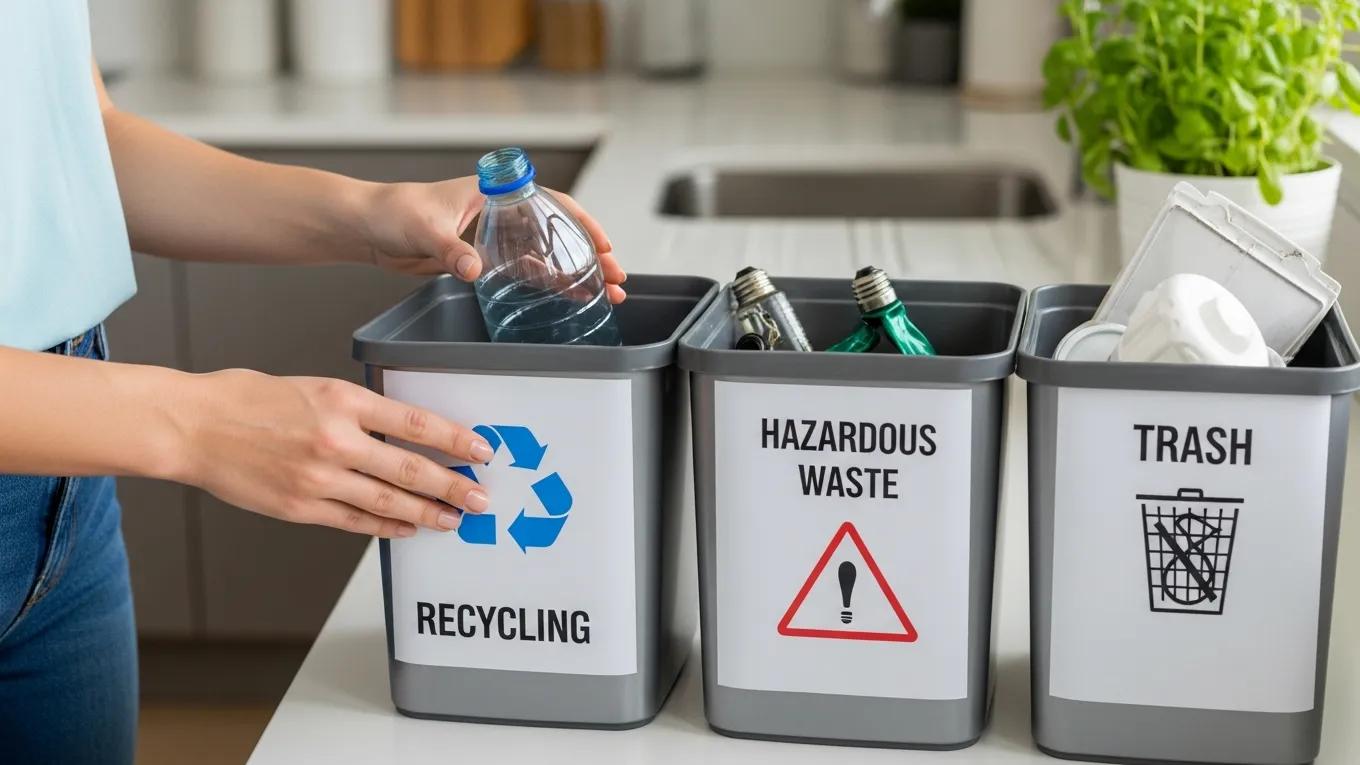
- Hazardous waste: Batteries, certain chemicals, and e-waste require special collection and cannot go in regular trash for safety and environmental protection.
- Construction debris: Renovation materials often require separation and proper disposal; some items may need licensed haulers due to their environmental impact.
- Recyclables: Glass, paper, metal, and many plastics must be separated for curbside or drop-off recycling programs designed to conserve resources.
Knowing which category an item falls into makes disposal easier and keeps you within legal requirements set forth in Long Island, NY.
Dumpster Rental Rules for Homeowners and Businesses in Long Island, NY
Dumpster rental regulations determine how waste is collected, transported, and processed. Homeowners and businesses should follow these rules closely to avoid fines, delays, or having material rejected at transfer stations. Adherence promotes project efficiency and protects Long Island’s environment and communities.
Permit Requirements for Dumpster Rentals in Long Island
In many parts of Long Island, yes—permits are routinely required. Typical permit details include:
- Required documentation: Proof of residency or business registration and basic project details outlining scope and waste types.
- Approval time: Processing times can range from several days to a week, depending on the locality and permit complexity.
- Local differences: Permit processes and fees vary among towns and counties—contact your local office in Long Island, NY for exact requirements.
Meeting permit requirements ensures your dumpster rental complies with local ordinances and environmental standards. Local authorities may deny permits for reasons such as unpaid fines, licensing issues, or other regulatory non-compliance.
Dumpster Rental Licensing on Long Island
Licensing has in some cases extended to company officers and major stockholders, and regulators may refuse a license if individuals or companies are found to be in “bad” standing.The Omertà of the Carting Industry: A Dumpster Dive into the World of “Trash Politics” in New York City and Long Island, 2024
These licensing details underscore the importance of understanding local rules: requirements can differ within Long Island, and certain applicants may be disqualified based on compliance history.
Licensing Requirements for Dumpster Rental Companies in Long Island
Several Long Island communities have established licensing rules to reflect regional needs and the area’s complex history of waste collection.Garbage and the mob: Licensing waste collection after Carbone, 1994
Available Dumpster Sizes and Services in Long Island
Dumpsters are available in several common sizes to accommodate a range of project scales. Typical options include:
- 10-yard dumpster: Ideal for small home projects and minor cleanouts.
- 20-yard dumpster: Suitable for medium-sized renovations such as kitchen remodels or garage cleanouts.
- 30-yard dumpster: Used for large renovations, construction sites, and major cleanups.
Service options—such as pickup frequency and rental duration—are tailored to residential or commercial needs within Long Island, NY.
Residential Waste Disposal Procedures in Long Island, NY
Homeowners must comply with local procedures for curbside collection and special disposals. Adhering to these rules prevents fines and supports community recycling and environmental safety efforts.
Proper Waste Separation and Disposal for Homeowners
Typical homeowner practices in Long Island include:
- Recycling: Use clearly marked bins for paper, plastics, glass, and metal—strictly follow your town’s accepted recycling list.
- Yard waste: Place clippings, leaves, and brush in approved biodegradable bags or containers and adhere to seasonal pickup schedules.
- Hazardous materials: Take paints, batteries, chemicals, and e-waste to designated drop-off events or collection centers; never dispose in regular trash.
Proper sorting protects waste management workers and ensures recyclables remain in the recovery stream, aligning with Long Island’s sustainability goals.
Consequences of Violating Residential Disposal Rules in Long Island
Non-compliance can lead to serious consequences such as:
- Fines: Amounts vary depending on the municipality and severity of violation.
- Legal action: Repeated or severe infractions may result in court orders or mandatory cleanup activities.
- Local enforcement: Town or county officials routinely inspect properties and respond to complaints promptly.
Following local regulations is the most effective way to avoid penalties—check your town’s official website for detailed fines and appeal procedures specific to Long Island.
Commercial Waste Disposal Regulations and Enforcement in Long Island, NY
Businesses on Long Island face stringent standards due to generating larger and often specialized waste streams. Proper handling, accurate documentation, and adherence to licensing requirements are critical for compliance.
Commercial Property Owner Compliance Standards
Commercial entities must generally:
- Follow core regulations: Employ required disposal methods for each waste type to safeguard public health and the environment.
- Avoid common mistakes: Improper waste segregation or use of unlicensed haulers can trigger hefty fines and operational disruptions.
- Adhere to local add-ons: Some Long Island towns implement additional rules based on business size, type, or zone.
Maintaining current knowledge and partnering with licensed, reliable vendors helps businesses in Long Island, NY stay compliant and efficient.
Commercial Inspections and Penalties on Long Island
Key enforcement aspects include:
- Inspection frequency: Scheduled routine checks and investigations following complaints.
- Graduated penalties: Fines increase for repeated or severe violations to incentivize correction.
- Community reporting: Employees and residents can often submit anonymous tips through municipal channels.
Effective record-keeping and staff training can mitigate risks and demonstrate proactive compliance to regulators on Long Island.
Environmental and Hazardous Waste Guidelines for Long Island, NY
Specialized rules govern hazardous and unique waste streams to prevent contamination and protect public health.
Proper Disposal Procedures for Hazardous and Special Waste
Key procedures include:
- Careful handling: Package hazardous materials securely to avoid spills, leaks, and exposure to residents and workers.
- Adherence to regulations: Follow all local and New York State rules for transporting, storing, and dropping off hazardous items.
- Local municipal support: Many Long Island towns hold regular collection events or operate permanent drop-off sites for household hazardous waste.
Routine inspections and regulatory monitoring ensure enforcement of these critical standards, protecting Long Island’s water, air, and soil quality.
Long Island Hazardous Waste Compliance & Regulations
Inspections and enforcement are routine; in one Long Island facility’s case, lapses in compliance triggered mandatory corrective actions.Disposal of Hazardous Wastes: Problems and Pitfalls, 1981
Impact of Regulation Updates on Compliance in Long Island
Recent regulatory changes often include:
- Stricter disposal requirements: Enhanced controls and expanded definitions for hazardous materials under state and local law.
- Compliance actions: Updates to staff training protocols, vendor agreements, and internal procedures required.
- Future outlook: Anticipate continuing evolution as environmental science advances and community priorities shift on Long Island, NY.
Staying updated through official Suffolk and Nassau County channels is essential for ongoing legal compliance.
Permits and Resources for Legal Dumpster Use on Long Island
Accessing permits and accurate information simplifies and legalizes dumpster rental and waste disposal projects.
Where to Find Permit Applications and Disposal Information
Common resources in Long Island include:
- Official local agency websites: Town and county portals provide downloadable permit forms, fee schedules, and procedural guides.
- In-person support: Municipal offices in Nassau and Suffolk Counties offer assistance and application processing.
- Telephone assistance: Public works and environmental departments are a direct source for tailored guidance on specific projects.
Utilizing these resources helps ensure your dumpster rental complies with Long Island’s robust legal framework.
Best Practices for Maintaining Compliance in Long Island, NY
Recommended steps include:
- Keep complete records: Maintain disposal receipts, permit approvals, and hauler invoices for accountability and audits.
- Regularly review practices: Conduct periodic waste management audits to identify and resolve compliance gaps.
- Employee training: Ensure staff know sorting procedures, labeling requirements, and disposal rules specific to Long Island, NY.
These proactive habits reduce risk of violations and demonstrate commitment to responsible environmental stewardship.
Frequently Asked Questions
1. What environmental initiatives support waste management on Long Island?
Long Island runs several programs aimed at reducing waste and enhancing recycling. Community-based initiatives, including “zero waste” efforts, outreach campaigns, and educational programs, help towns minimize landfill use and encourage reuse. Municipal events and partnerships with local environmental organizations expand access to recycling and proper disposal services.
2. How can residents participate in local recycling programs?
Residents should closely follow their town’s recycling guidelines: use designated containers, adhere to collection schedules, and separate materials correctly. Engagement in community cleanups and educational workshops further supports program success. Staying informed about accepted materials and seasonal changes helps maintain efficient recycling operations.
3. Are there special instructions for electronic waste (e-waste)?
Yes. Electronic waste contains hazardous components requiring separate handling. Residents should utilize designated drop-off sites or participate in community e-waste collection events. Placing electronics in regular trash is prohibited. County websites provide schedules and lists of accepted items to ensure proper disposal.
4. Do seasonal changes affect waste collection?
Yes. Yard waste collection is typically seasonal and often requires use of specific biodegradable bags or containers. Holiday seasons increase volume of trash and recycling, necessitating temporary rules for bulk items and extra pickups. Town websites post relevant seasonal updates for Long Island residents.
5. What resources can businesses use to stay compliant?
Businesses should consult local government websites for permit applications, compliance checklists, and disposal guidelines. Attending training sessions, industry workshops, and engaging with local business associations enhances waste management practices and ensures adherence to Long Island’s regulations.
6. What should homeowners know about hazardous waste disposal events?
Many Long Island towns host regular hazardous waste drop-off events for items such as paint, solvents, and batteries. It is important to check event dates and specific rules, including packaging requirements like original containers or clear labeling. Using these services safely diverts hazardous materials from regular waste streams and protects the environment.
7. How can people report illegal dumping?
Illegal dumping can be reported to town or county enforcement offices on Long Island. Many municipalities provide anonymous hotlines or online reporting forms. Including detailed descriptions, photos (where safely possible), and vehicle information helps enforcement respond swiftly, preserving neighborhood cleanliness and safety.
Conclusion
Familiarity with Long Island, NY disposal laws empowers residents and businesses to avoid penalties and contribute to environmental protection. Learning specific local regulations, practicing proper waste separation, and complying with dumpster rental permit requirements help ensure projects proceed smoothly and sustainably. For official forms, guidance, and the latest regulatory updates, consult your local municipal website or contact the public works department in Nassau or Suffolk County.