Key Benefits of Specialty Dumpsters for Construction Waste
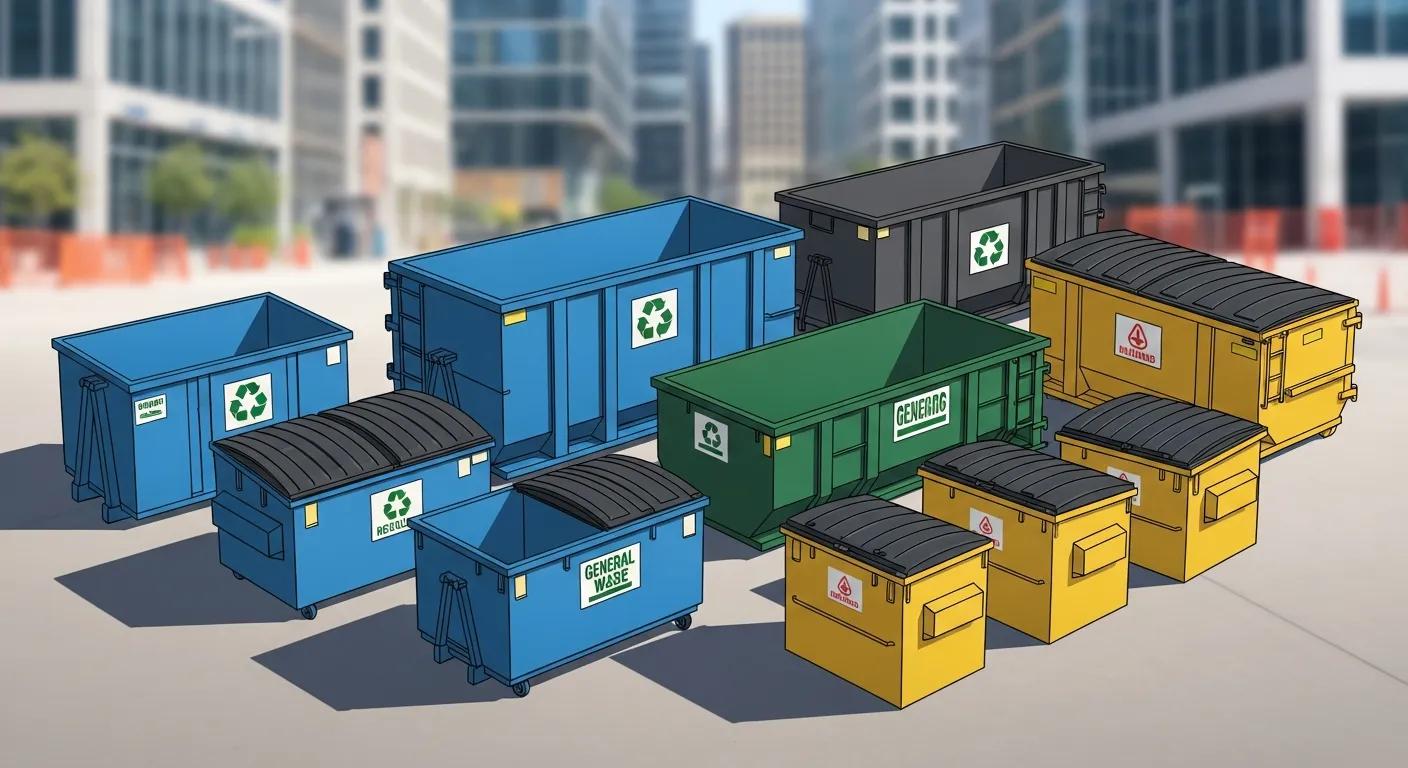
Specialty Dumpsters for Construction — Smart, Safe Waste Solutions
Specialty dumpsters for construction are built for specific debris streams and site conditions. By matching container design to material type and loading patterns, these units reduce on-site hazards, cut project costs, and simplify handling. This guide walks through how reinforced roll-off units, heavy-debris bins, and material-specific containers improve safety, speed up workflow, and help you meet local rules across Long Island. You’ll find clear descriptions of key features, real savings examples from fewer truck trips, practical tips on sizing and selection, and ways these containers support recycling and regulated-material handling. We also cover site-safety benefits, budget factors like tipping and fuel fees, Nassau and Suffolk compliance points, and a quick reference that pairs common waste types with the right dumpster. The goal: help contractors, site managers, and property owners plan waste logistics that keep projects on time and on budget.
What Are Specialty Dumpsters for Construction Waste and How Do They Differ?
Specialty construction dumpsters are reinforced, purpose-built containers designed for particular materials or loading conditions. Unlike general-purpose bins, they feature heavier sidewalls, reinforced floors, open-top roll-off access, and sometimes ramps or gates for bulky or dense items such as concrete and roofing. Those design choices cut structural wear, limit spills, and make loading safer and faster for crews. Knowing these differences helps project planners choose containers that match material density, expected weight, and required segregation so jobs run safer and disposal stays compliant.
What Types of Specialty Dumpsters Are Used for Construction Debris?
Specialty dumpster types match common construction waste streams and on-site needs. Options include mixed-debris roll-offs, heavy-debris dumpsters reinforced for concrete and masonry, material-specific bins for roofing or metal, and lockable containers for regulated or hazardous wastes. On Long Island, 10-, 20-, 30-, and 40-yard roll-off units are the norm, covering jobs from small remodels to full demolition. Picking the right type lowers overweight risks and eases transfer-station acceptance, speeding disposal and improving recycling routes.
How Do Specialty Dumpsters Compare to General Waste Containers?
Specialty dumpsters outperform general-purpose containers where construction loads are concentrated or heavy. General bins work for light residential trash but can fail under loads like concrete, dirt, or roofing shingles, causing extra trips or damage. Specialty units handle heavier weights, protect hauling equipment, and reduce labor with easier loading and fewer swaps. For renovations, demolitions, and commercial projects where material type and weight are known, specifying specialty containers up front avoids hidden costs and schedule hiccups later.
If you need local rentals, Dumpster Rental Long Island Bros offers construction dumpster services across Suffolk and Nassau counties. They stock 10-, 20-, 30-, and 40-yard units and provide material-specific and heavy-debris options, backed by experience with local restrictions and efficient scheduling to keep jobs moving.
How Do Specialty Dumpsters Improve Construction Site Safety and Organization?
Specialty dumpsters give crews centralized, purpose-built containment that cuts tripping hazards, prevents scattered debris, and lowers the chance of falling objects. Assigning specific dumpsters for heavy materials, recyclables, and hazardous streams keeps walkways clear and reduces interruptions. Placing containers near active work zones minimizes manual handling, while reinforced units resist collapse or spill during heavy loading, protecting workers and equipment. Those improvements also simplify inspections and make it easier to show compliance with local site and environmental rules.
- Centralized containment reduces trip and fall risks across the site.
- Material-specific containers prevent cross-contamination and accidental exposure.
- Reinforced heavy-duty units protect crews from structural failure during loading.
- Clearly placed dumpsters streamline inspections and daily clean-up routines.
Beyond safety, these measures cut cleanup downtime and incident recovery, helping keep schedules predictable and lowering indirect costs.
What Safety Hazards Do Specialty Dumpsters Help Prevent on Construction Sites?
Specialty dumpsters help prevent hazards like trips over loose debris, injuries from manual hauling, and exposures to flammable or chemically contaminated materials. Features such as lockable gates, ramp access, and open tops control loading and prevent material overhang that could catch on equipment or foot traffic. Reinforced containers reduce the risk of structural failure under heavy masonry or concrete loads. Teaching crews to use designated containers for each stream also reduces dust and sharp-object exposure and channels regulated wastes into the right handling process.
How Does Organized Waste Management Enhance Workflow Efficiency?
Organized waste management cuts time spent on constant small cleanups, consolidates pickups, and lets you set predictable pickup windows that line up with project milestones. When crews know which container handles which material, sorting at the point of disposal drops dramatically and supervisors can schedule deliveries for peak loading times. Fewer emergency swaps and clearer truck routing mean less idle time for people and equipment, translating into labor savings and fewer schedule overruns. Those efficiency gains build up over a project, improving coordination among trades and reducing site interruptions.
What Are the Cost Savings and Budget Benefits of Using Specialty Dumpsters?
Specialty dumpsters lower total waste costs by cutting hauling trips, reducing labor for sorting and loading, and avoiding overweight fines or transfer-station rejections through proper material segregation. Right-sizing containers prevents paying for unused capacity, and choosing reinforced or material-specific units avoids damage and replacement costs. Adding recycling paths can reduce tipping fees and sometimes bring small rebates or avoided disposal expenses. Together, these factors create steadier waste budgets and fewer last-minute expenses, helping bids and final invoices stay on target.
Proper sizing reduces trips and costs in predictable ways. The table below shows typical dumpster sizes, loads, and trip counts for a medium renovation project.
Matching container size to project volume usually cuts hauling frequency: larger, reinforced units let you consolidate heavy loads and lower per-ton transport and labor costs.
How Does Choosing the Right Dumpster Size Reduce Disposal and Fuel Costs?
Right-sizing reduces disposal and fuel costs by consolidating debris into fewer trips while avoiding overweight surcharges when dense materials are under-specified. For example, a mid-size renovation that would fill two 10-yard units often fits into a single 20-yard roll-off, halving truck roundtrips and cutting fuel and driver hours. Correct sizing also matches transfer-station policies, reducing rejected loads and extra handling fees. Planning by volume and material density yields direct savings on fuel, vehicle wear, and labor across contractors of all sizes.
What Are the Financial Advantages of Fewer Waste Hauling Trips?
Fewer trips mean lower fuel bills, fewer driver and truck hours, reduced supervision costs, and less chance of accidental damage or schedule delays. Consolidated loads simplify logistics and can earn better haul rates or bundled pickups, cutting administrative overhead. For longer projects, steady, planned pickups make tipping and transport fees predictable, helping cashflow and forecasting. In short, smart container selection and scheduling turn logistical efficiency into measurable savings.
How Do Specialty Dumpsters Support Environmental Compliance and Sustainable Construction?
Specialty dumpsters make environmental compliance easier by enabling on-site segregation of recyclables, containing potentially polluting materials, and simplifying manifests and documentation for regulated wastes. During planning, identify streams to recycle or that need special handling—metal, concrete, wood, or asbestos-containing materials—and assign compatible containers to maintain chain-of-custody when required. This lowers contamination of recyclables, reduces landfill tonnage, and helps meet regional sustainability goals. Using specialty containers also makes it simpler to follow county transfer-station rules and state regulations when filing disposal records or audits.
What Local Long Island Regulations Affect Construction Waste Disposal?
Disposal rules vary by county on Long Island. Projects in Suffolk and Nassau should check transfer-station acceptance, street-placement permit needs, and restrictions on certain materials. County transfer stations and the NYSDEC have guidance on hazardous wastes, landfill bans, and required manifests, so verify acceptable streams before scheduling pickups. Consulting local authorities or a regional hauler during pre-construction prevents rejections and fines. Using specialty dumpsters that align with county rules makes compliance and routing smoother while keeping projects on schedule.
How Do Specialty Dumpsters Facilitate Recycling and Waste Segregation?
Specialty dumpsters boost recycling by providing separate, clearly labeled containers for streams like metal, concrete, wood, and cardboard, which raises recovery rates and reduces contamination. Practical steps include staging recyclable containers next to active work areas, using color-coded signage, and training crews on what goes where. Clean concrete and masonry loads can go to crushing facilities; dedicated metal bins send scrap to processors rather than landfill. These practices lower tipping fees, support sustainability goals, and often satisfy client or municipal recycling requirements.
- Label containers clearly to prevent cross-stream contamination.
- Allocate dedicated containers for high-weight streams like concrete.
- Train crews on acceptable materials and enforce spot checks.
Those steps keep material flows clean and maximize recycling without sacrificing safety or compliance.
Which Types of Construction Waste Are Best Managed with Specialty Dumpsters?
Pairing waste types with purpose-built dumpsters reduces handling complexity and disposal friction. Heavy, dense materials such as concrete, dirt, and masonry belong in reinforced heavy-debris units that tolerate concentrated weight and abrasion. Lighter but bulky streams like cardboard and clean wood fit standard roll-off recyclers, while roofing shingles and insulation often need specialized roofing bins or separate containment to avoid contamination. Hazardous materials require lockable, segregated containers and licensed handling. Mapping wastes to containers helps plan counts, pickups, and recycling targets efficiently.
What Materials Are Commonly Disposed of in Construction Dumpsters?
Construction dumpsters typically collect wood, drywall, concrete, metal, roofing shingles, and packaging materials—each with its own disposal considerations that affect weight and acceptance. Clean, separated wood is often recyclable; concrete and masonry add heavy weight and can push a load toward tipping limits. Drywall can contaminate other recyclables if mixed, while metal is valuable when kept clean. Spotting these differences early improves budgets and logistics and reduces unexpected fees or rehandling.
How Are Hazardous and Heavy Debris Handled with Specialty Dumpsters?
Hazardous materials need specialized containment, manifests, and licensed disposal channels; lockable hazardous containers with clear labels limit liability and preserve chain-of-custody. Heavy debris like concrete and masonry require reinforced dumpsters and pre-planned routing to acceptance facilities, sometimes including pre-crushing or separate hauling. Follow weight limits, compaction rules, and transfer-station policies, and coordinate with experienced regional haulers and processors to avoid rejected loads and costly rework.
How to Choose the Right Specialty Dumpster for Your Long Island Construction Project?
Start with a four-step checklist: identify waste streams and estimate volumes, review site access and placement, confirm local permits and transfer-station rules, and match container types and sizes to project phases and recycling goals. Account for material density when sizing containers—what fits by volume may exceed weight limits—and plan for peak loading to avoid mid-project swaps. Local knowledge matters: Suffolk and Nassau transfer-station preferences influence where materials can go and whether manifests or special handling are needed. A methodical selection process reduces surprises and speeds project closeout.
- List expected waste streams and estimate volumes for each.
- Evaluate access constraints and ideal dumpster placement on site.
- Check local permit requirements and transfer-station acceptance.
- Select container types and sizes for each stream and phase.
Following this checklist cuts trips, lowers rejection risk, and makes disposal costs more predictable.
What Dumpster Sizes and Types Are Ideal for Different Construction Projects?
Common pairings are straightforward: small renovations and single-room remodels usually fit 10- to 20-yard roll-offs; whole-house renovations and medium commercial interiors suit 20- to 30-yard units; large demolitions and commercial shell work need 30- to 40-yard heavy-debris dumpsters. For heavy materials like concrete or brick, pick reinforced heavy-debris containers even if volume is modest to avoid structural stress and overweight fees. Site access—driveway strength or street permit needs—may make a smaller, more frequent swap preferable over one large container.
How Does Local Expertise Ensure Compliance and Efficient Waste Removal?
Local expertise simplifies permitting, routing, and transfer-station acceptance by turning Suffolk and Nassau rules into practical container choices and pickup plans that prevent rejected loads and delays. Local providers know which materials need manifests, which transfer stations accept certain loads, and how to stage containers to minimize street-permit issues. For help choosing and scheduling, request a quote from Dumpster Rental Long Island Bros — they offer 10-, 20-, 30-, and 40-yard units and can advise on local regulations and efficient pickup timing.
If you’re ready to finalize rentals, Dumpster Rental Long Island Bros combines local know-how with material-specific containers to keep projects compliant and on schedule. Request a quote through their official contact channels to lock in sizes and pickup details.
Frequently Asked Questions
Consider the types and volumes of waste you expect, plus the specific materials involved. Check site access and placement so the dumpster is easy to load and pick up. Verify local regulations for permits and transfer-station acceptance to avoid fines or rejected loads. Finally, align container choice with project phases and recycling goals to keep the job efficient and compliant.
Segregate materials into designated specialty dumpsters for recyclables, hazardous items, and general debris. Use clear labels and train your crew to avoid cross-contamination. Partner with local recycling facilities to understand their requirements and maximize recovery. Where possible, choose recyclable or lower-impact materials to further reduce your environmental footprint.
Common mistakes include underestimating size (leading to overflow and extra trips) and overestimating (paying for unused space). Skipping local regulation checks can result in fines or rejected loads. Also, failing to plan for material types can hinder recycling. Talk with your rental provider to pick the right container for your scope and materials.
Pick a location with easy truck access that won’t block traffic or pathways. Make sure the ground is stable and can support the dumpster’s weight, especially on driveways or streets. Clear obstacles and check local permit rules for street placement. Share any access constraints with your rental provider ahead of delivery.
If your dumpster fills early, contact your rental provider to schedule a swap or add another container. Many companies offer flexible pickups to match ongoing work. Have a temporary on-site staging plan if needed and keep communication open with your provider to minimize downtime.
Mixing waste streams is usually not recommended because it can contaminate recyclables and complicate disposal. Keep hazardous materials separate from general construction debris and use designated containers for each stream. Check with your rental provider for guidance on segregation and local acceptance rules.
Local rental services know regional regulations and transfer-station policies, which helps avoid fines and rejections. They typically respond faster for delivery and pickup and can offer practical advice based on Long Island practices. Working with a local provider also supports the community and streamlines project logistics.
Conclusion
Using specialty dumpsters for construction waste improves site safety, simplifies waste handling, and lowers project costs. Picking the right container type and size keeps you compliant with local rules while maximizing recycling opportunities. This guide gives practical steps to plan waste logistics so projects finish on time and within budget. For personalized help with dumpster rentals, reach out to our team today.